Eminent Coleridgean scholar John Beer presents a series of biographical investigations exploring Coleridge's life, stage by stage, and reconsidering the intellectual quality of his thinking and poetry through an emphasis on the notion of 'play'.
The night can sweat with terror as beforeWe pieced our thoughts into philosophy,And planned to bring the world under a rule,Who are but weasels fighting in a hole.
This is a collection of studies on ancient (especially Latin) poetry and historiography, concentrating especially on the impact of rhetoric on both genres, and on the importance of considering the literature to illuminate the historical Roman context and the historical context to illuminate the literature.
This book is a study of writing processes of six modernist authors: Hopkins, Yeats, Conrad, Forster, Joyce, and Woolf, from the 'golden age of manuscripts'.
Milton's Paradise Lost, the most eloquent, most intellectually daring, most learned, and most sublime poem in the English language, is a poem about angels.
Elizabeth Vandiver examines the ways in which British poets of the First World War used classical literature, culture, and history as a source of images, ideas, and even phrases for their own poetry.
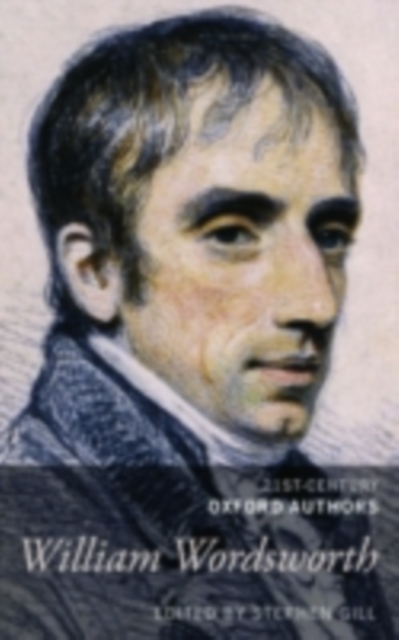
The Wordsworth volume in the 21st-Century Oxford Authors series is the most comprehensive selection currently available of the poetry and prose of one of the finest poets in the English language.
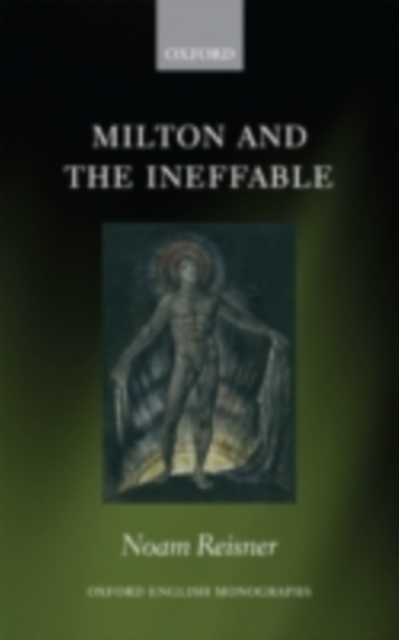
Milton and the Ineffable offers a comprehensive reassessment of Milton's poetic oeuvre in light of the literary and conceptual problem posed by the poet's attempt to put into words that which is unsayable and beyond representation.
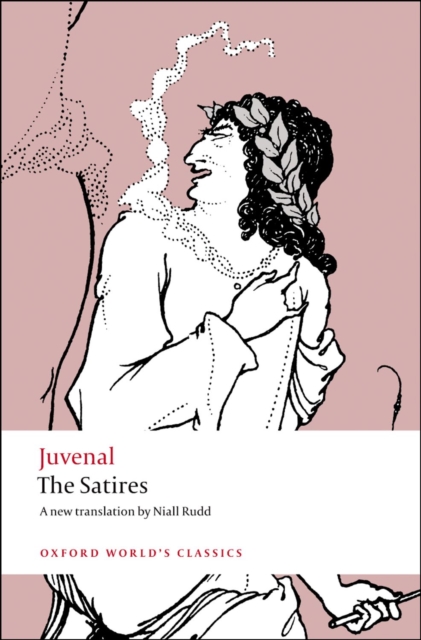
The last decades have seen a lively interest in Roman verse satire, and this collection of essays introduces the reader to the best of modern critical writing on Persius and Juvenal.
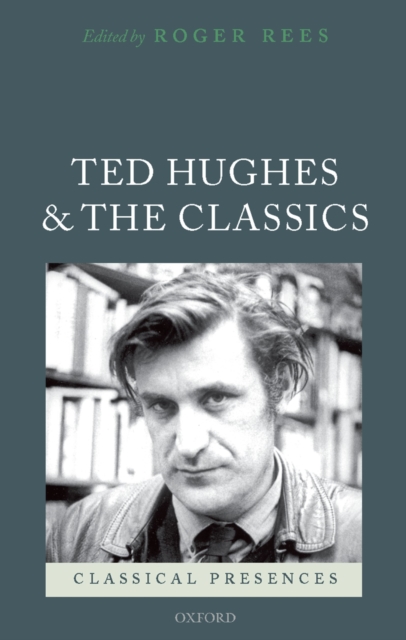
This collection of sixteen articles, written by leading specialists in Classical and English literature, is an important contribution to the critical assessment of Ted Hughes, one of the most popular and controversial English poets of the late 20th century.
In this revisionary study of the poetry of Coleridge, Wordsworth and their friends during the 'revolutionary decade' David Fairer questions the accepted literary history of the period and the critical vocabulary we use to discuss it.
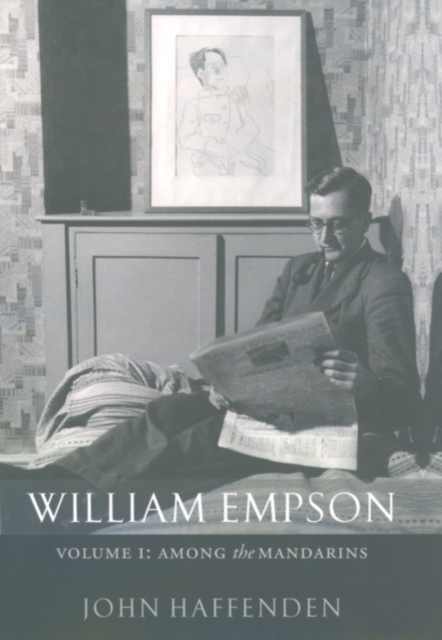
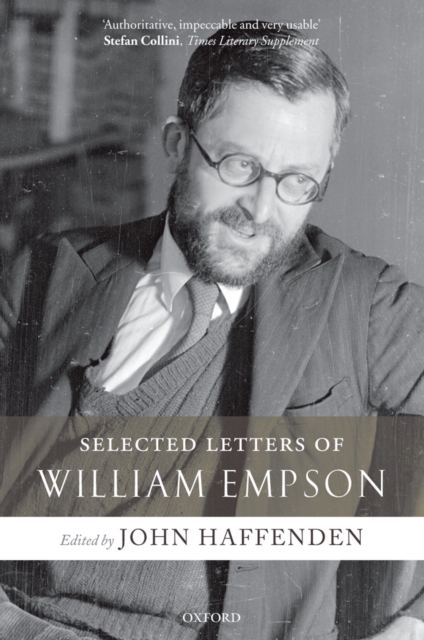
This edited collection of letters by William Empson (1906-1984), one of the foremost writers and literary critics of the twentieth century, ranges across the entirety of his career.
This book aims to provide the reader of Homer with the traditional knowledge and fluency in Homeric poetry which an original ancient audience would have brought to a performance of this type of narrative.
Volume 15 in The Complete Poetical Works of Robert Browning presents poetry Browning wrote in his seventies, his last two volumes: Parleyings (1887) and Asolando (1889).
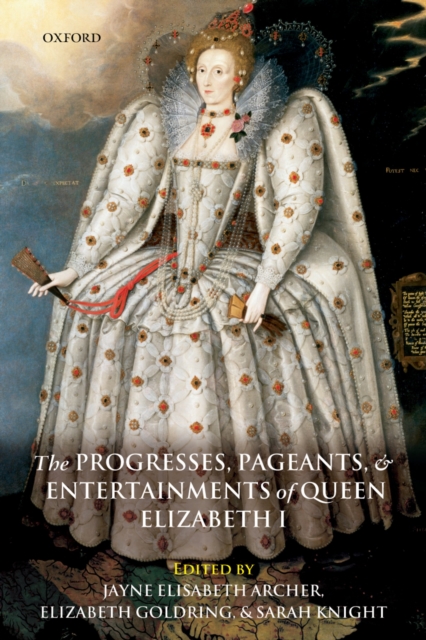
More than any other English monarch before or since, Queen Elizabeth I used her annual progresses to shape her royal persona and to bolster her popularity and authority.
Edmund Spenser, Selected Letters and Other Papers provides the first published text of the diplomatic and personal papers written, copied, and handled by Spenser during his years of secretarial service and colonial planting in Ireland, 1580-1589.
Culture in Camouflage aims to remap the history of British war culture by insisting on the centrality and importance of the literature of the Second World War.
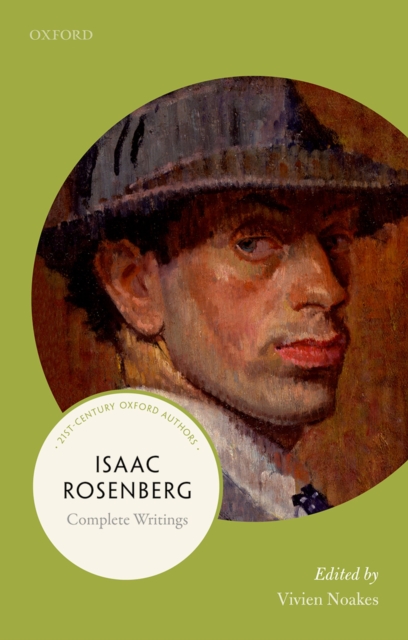
The first volume to be published in the new 21st-Century Oxford Authors series presents all of the surviving writings of Isaac Rosenberg (1890-1918): poetry, plays, prose works, and letters.
There is a kind of conscience some men keepe,Is like a Member that's benumb'd with sleepe;Which, as it gathers Blood, and wakes agen,It shoots, and pricks, and feeles as bigg as tenDonne, Herbert, and Vaughan see the conscience as only partly theirs, only partly under their control.
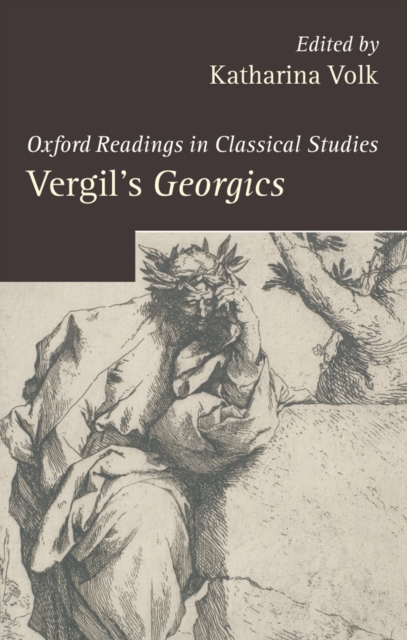
This volume, together with its companion on the Eclogues and the previously published volume on the Aeneid, completes the coverage of Vergil's poetry in Oxford Readings in Classical Studies.
Between the Civil War and the early decades of the eighteenth century, English poets of the first rank devoted more of their time and creative energies to translating than they had ever done before or have ever done since.