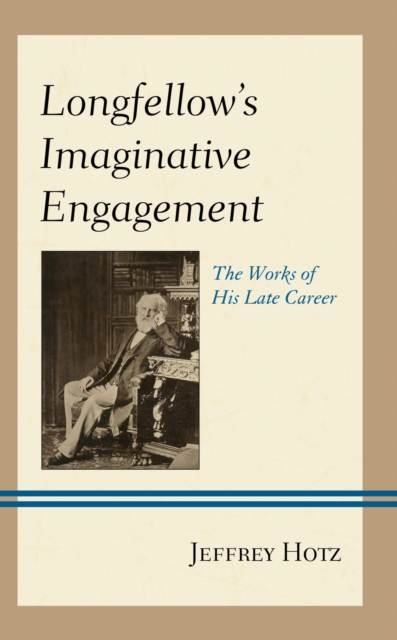
Longfellow's Imaginative Engagement is a first-of-its-kind study of Henry Wadsworth Longfellow's late-career poems and biography from 1861 until 1882, covering the poet's posthumous publications and the handling of his literary estate.
Spenser in the Moment collects specially commissioned essays critical of established readings, each of which in surveying the state of the art attempts radically to unsettle our conception of the poetry of Edmund Spenser (1552-1599).
The Poetry and Poetics of Michael Heller: A Nomad Memory is the first comprehensive treatment of a singularly important American poet of the twentieth and twenty-first centuries.
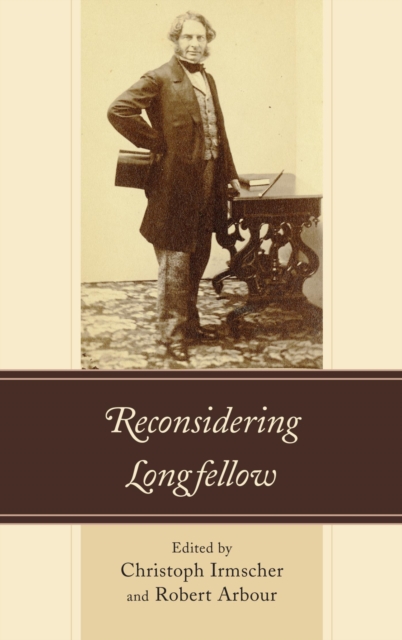
Reconsidering Longfellow is the first collection of scholarly essays in several decades devoted entirely to the work and afterlife of the most popular and widely read writer in American literature.
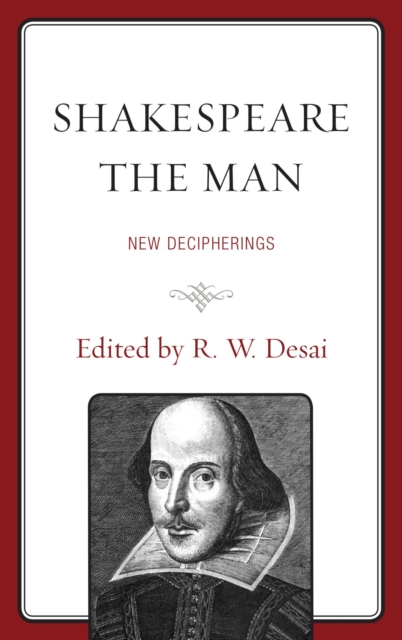
While over the past four hundred years numerous opinions have been voiced as to Shakespeare's identity, these eleven essays widen the scope of the investigation by regarding Shakespeare, his world, and his works in their interaction with one another.
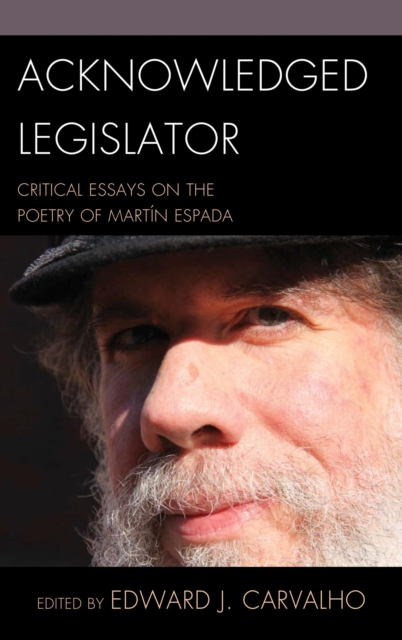
Acknowledged Legislator: Critical Essays on the Poetry of Martin Espada stands as the first-ever collection of essays on poet and activist Martin Espada.
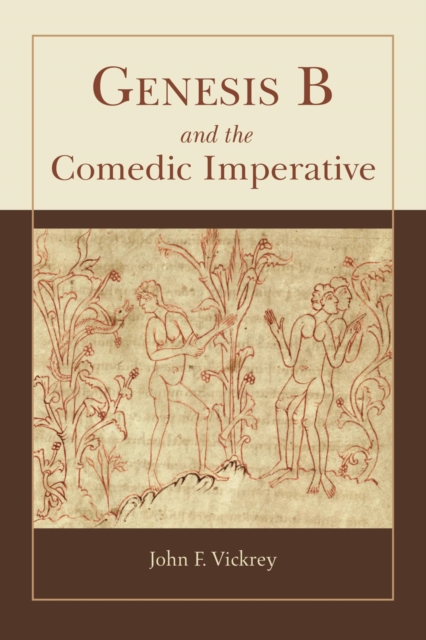
Readers of Old English would generally agree that the poem Genesis B, a translation into Old English of an Old Saxon (that is, continental) retelling of the story of the Fall, is a vigorous and moving narrative.
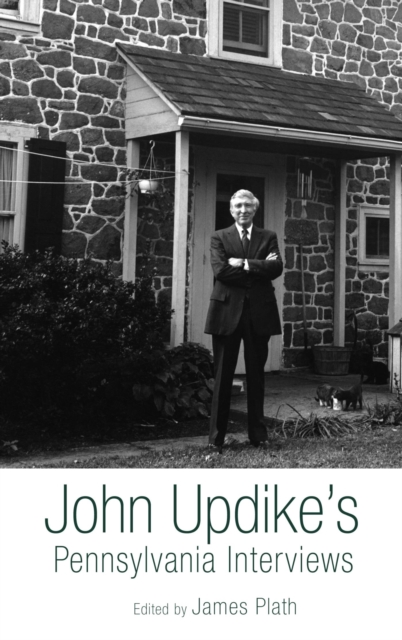
Updike remains both a critical and popular success; however, because Updike asked that his personal letters not be published the only way that Updike scholars and fans can read more of the author's candid and insightful remarks is to revisit some of the many interviews he granted-most of which are difficult to locate or obtain.
Yeats, Shakespeare, and Irish Cultural Nationalism examines Yeats's writing on Shakespeare in the context of his work on behalf of the Irish Literary Revival.
When we read poetry, we tend to believe that we are getting a glimpse of the interior of the poet's mind-pictures from the poet's imagination relayed through the representative power of language.
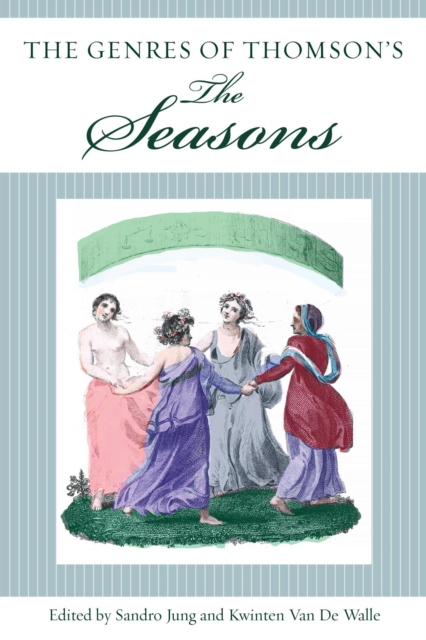
Critics since the eighteenth century have puzzled over the form of James Thomson's composite long poem, The Seasons (1730, 1744, 1746), its generically hybrid make-up, and its relationship to established genres both Classical and modern.
Drawing on the methods of textual and reception studies, book history, print culture research, and visual culture, this interdisciplinary study of James Thomson's The Seasons (1730) understands the text as marketable commodity and symbolic capital which throughout its extended affective presence in the marketplace for printed literary editions shaped reading habits.
Fiddled out of Reason is a study of several poems spanning the life and career of Joseph Addison, who, along with John Dryden, Alexander Pope, Ambrose Philips, Isaac Watts, and many British poets of the turn of the eighteenth century, helped to cultivate a broad new current of nonliturgical "e;hymnic"e; verse that became immensely popular across that century, though it has eluded critical notice until now.
Readers of Old English would generally agree that the poem Genesis B, a translation into Old English of an Old Saxon (that is, continental) retelling of the story of the Fall, is a vigorous and moving narrative.
In this book, author Lucas Murrey argues that the thinking of the modern German philosopher Friedrich Nietzsche (1944-1900) is not only more grounded in antiquity than previously understood, but is also based on the Dionysian spirit of Greece which scholars have still to confront.
Pinter's World: Pinter and Company is not a full-scale biography but a series of illuminating chapters about Pinter's life, character, and thought, employing new information found in his "e;Appointment Diaries,"e; recent biographical sources such as Simon Gray's memoirs, and Henry Woolf's reminiscences in addition to personal discussions with several in Pinter's world.
Rough Draft: The Modernist Diaries of Emily Holmes Coleman, 1929-1937 is an edited selection, published here for the first time, of the diaries kept by American poet and novelist Coleman during her years as an expatriate in the modernist hubs of France and England.
Fiddled out of Reason is a study of several poems spanning the life and career of Joseph Addison, who, along with John Dryden, Alexander Pope, Ambrose Philips, Isaac Watts, and many British poets of the turn of the eighteenth century, helped to cultivate a broad new current of nonliturgical "e;hymnic"e; verse that became immensely popular across that century, though it has eluded critical notice until now.
Garcia Lorca at the Edge of Surrealism: The Aesthetics of Anguish examines the variations of surrealism and surrealist theories in the Spanish context, studied through the poetry, drama, and drawings of Federico Garcia Lorca (1898-1936).
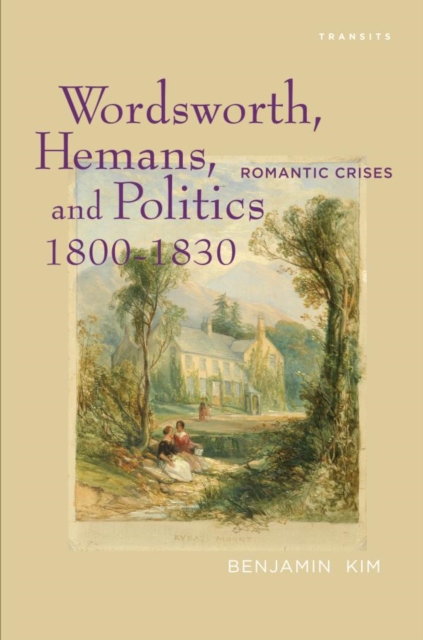
Wordsworth, Hemans, and Politics, 1800-1830: Romantic Crises is a study of the political lives of William Wordsworth and Felicia Hemans between 1800 and 1830.
Critics since the eighteenth century have puzzled over the form of James Thomson's composite long poem, The Seasons (1730, 1744, 1746), its generically hybrid make-up, and its relationship to established genres both Classical and modern.
Drawing on the methods of textual and reception studies, book history, print culture research, and visual culture, this interdisciplinary study of James Thomson's The Seasons (1730) understands the text as marketable commodity and symbolic capital which throughout its extended affective presence in the marketplace for printed literary editions shaped reading habits.
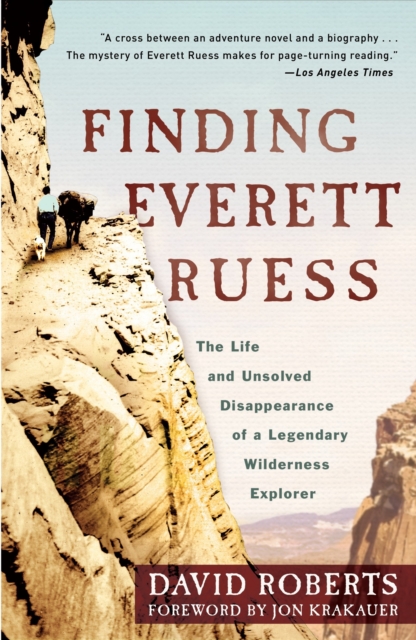
Finding Everett Ruess by David Roberts, with a foreword by Jon Krakauer,is the definitive biography of the artist, writer, and eloquent celebrator of the wilderness whose bold solo explorations of the American West and mysterious disappearance in the Utah desert at age 20 have earned him a large and devoted cult following.
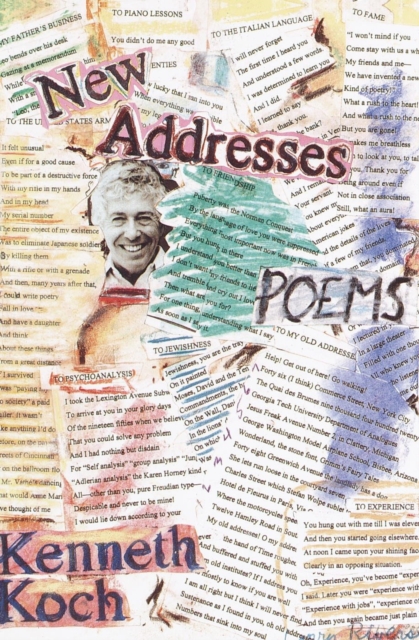
Kenneth Koch, who has already considerably "stretched our ideas of what it is possible to do in poetry" (David Lehman), here takes on the classic poetic device of apostrophe, or direct address.
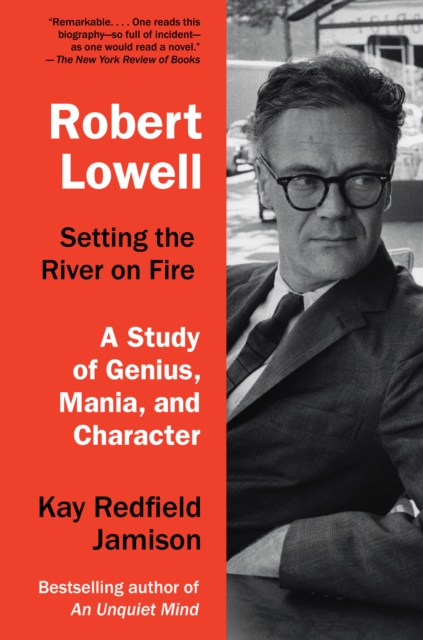
The best-selling author of An Unquiet Mind now gives us a groundbreaking life of one of the major American poets of the twentieth century that is at the same time a fascinating study of the relationship between manic-depressive (bipolar) illness, creative genius, and character.
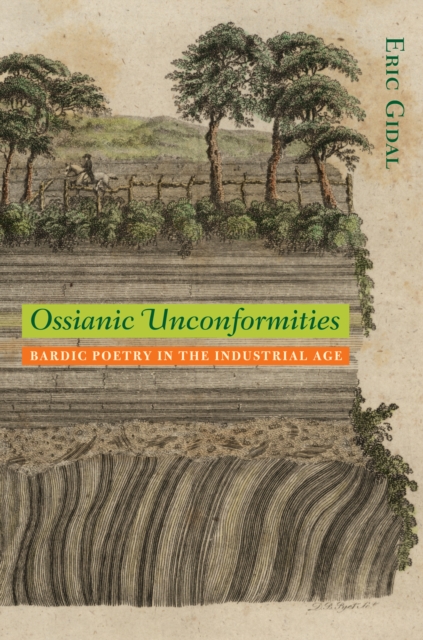
In a sequence of publications in the 1760s, James Macpherson, a Scottish schoolteacher in the central Highlands, created fantastic epics of ancient heroes and presented them as genuine translations of the poetry of Ossian, a fictionalized Caledonian bard of the third century.
In recent years, a series of major collections of posthumous writings by Elizabeth Bishop--one of the most widely read and discussed poets of the twentieth century--have been published, profoundly affecting how we look at her life and work.
The South African literature of iimbongi, the oral poets of the amaXhosa people, has long shaped understandings of landscape and history and offered a forum for grappling with change.
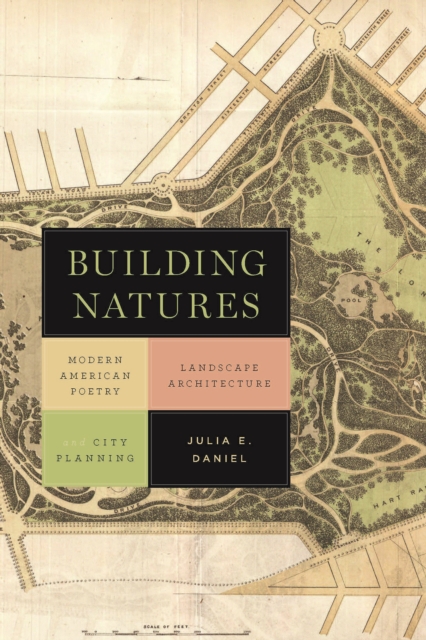
In Building Natures, Julia Daniel establishes the influence of landscape architecture, city planning, and parks management on American poetry to show how modernists engaged with the green worlds and social playgrounds created by these new professions in the early twentieth century.
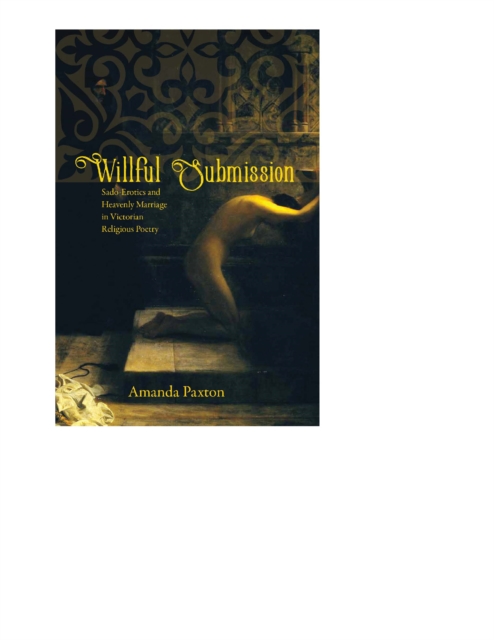
Victorian England: a Jesuit priest writes of wrestling with God at night, limbs entangled; an Anglican sister begs Jesus, her divine lover, to end her aching anticipation of their union; a clergyman exhorts nuns to study the example of medieval women who suffered on the rack in order to become "e;brides"e; of Christ.
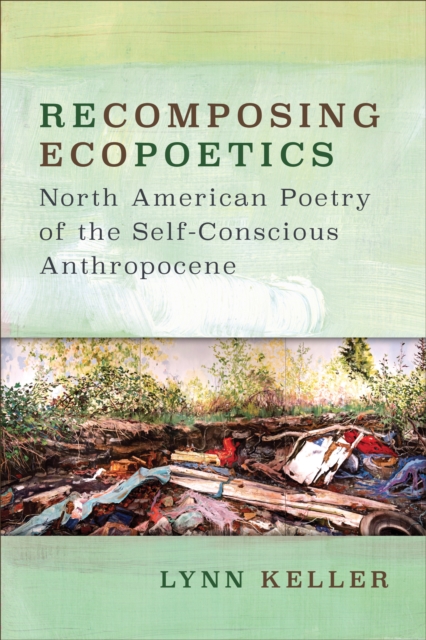
In the first book devoted exclusively to the ecopoetics of the twenty-first century, Lynn Keller examines poetry of what she terms the "e;self-conscious Anthropocene,"e; a period in which there is widespread awareness of the scale and severity of human effects on the planet.
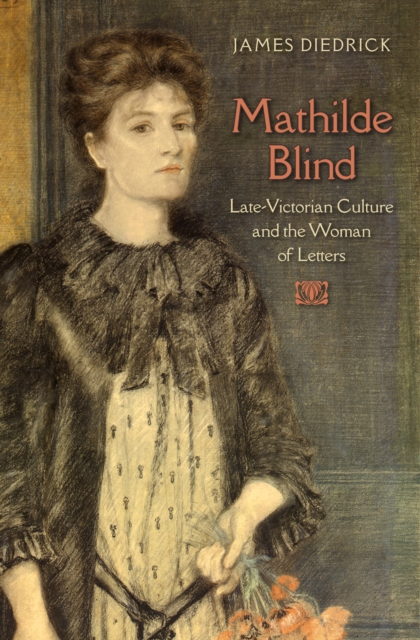
With Mathilde Blind: Late-Victorian Culture and the Woman of Letters, James Diedrick offers a groundbreaking critical biography of the German-born British poet Mathilde Blind (1841-1896), a freethinking radical feminist.
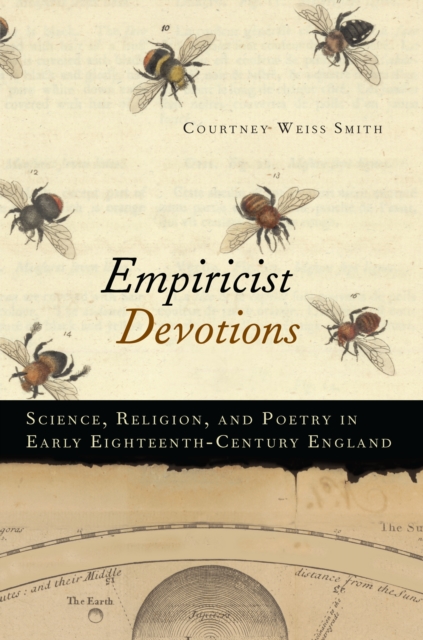
Featuring a moment in late seventeenth- and early eighteenth-century England before the disciplinary divisions that we inherit today were established, Empiricist Devotions recovers a kind of empiricist thinking in which the techniques and emphases of science, religion, and literature combined and cooperated.
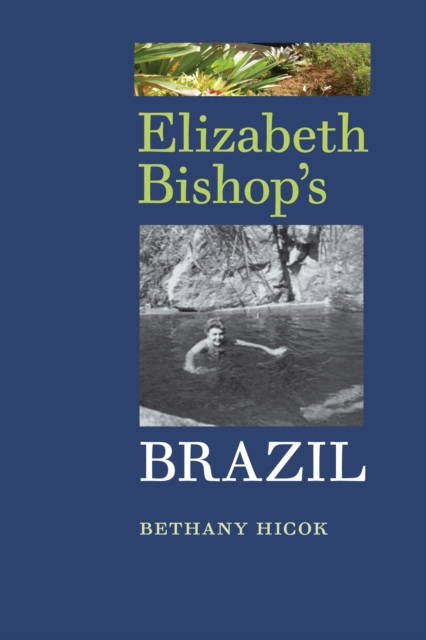
When the American poet Elizabeth Bishop arrived in Brazil in 1951 at the age of forty, she had not planned to stay, but her love affair with the Brazilian aristocrat Lota de Macedo Soares and with the country itself set her on another course, and Brazil became her home for nearly two decades.
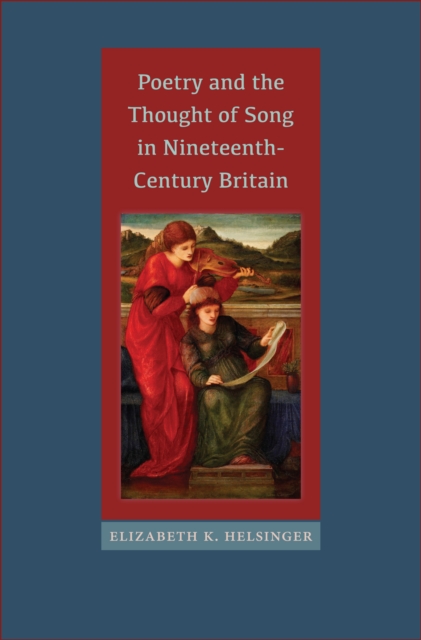
In arguing for the crucial importance of song for poets in the long nineteenth century, Elizabeth Helsinger focuses on both the effects of song on lyric forms and the mythopoetics through which poets explored the affinities of poetry with song.
In a sequence of publications in the 1760s, James Macpherson, a Scottish schoolteacher in the central Highlands, created fantastic epics of ancient heroes and presented them as genuine translations of the poetry of Ossian, a fictionalized Caledonian bard of the third century.
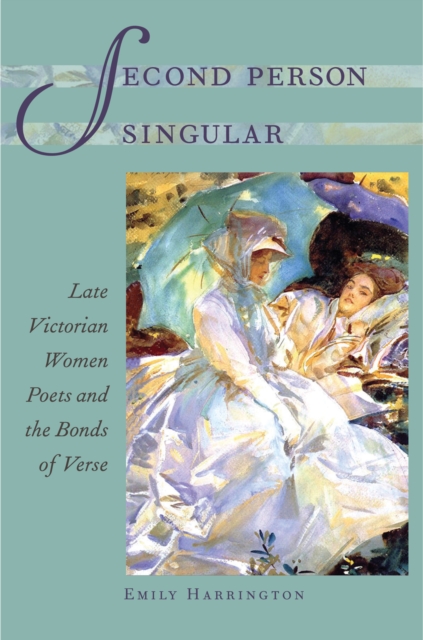
Emily Harrington offers a new history of women's poetry at the turn of the century that breaks from conventional ideas of nineteenth-century lyric, which focus on individual subjectivity.
In recent years, a series of major collections of posthumous writings by Elizabeth Bishop--one of the most widely read and discussed poets of the twentieth century--have been published, profoundly affecting how we look at her life and work.