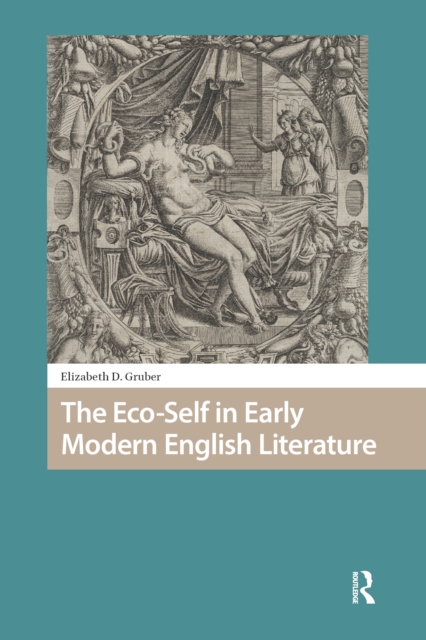
The Eco-Self in Early Modern English Literature tracks an important shift in early modern conceptions of selfhood, arguing that the period hosted the birth of a new subset of the human, the eco-self, which melds a deeply introspective turn with an abiding sense of humans' embedment in the world.
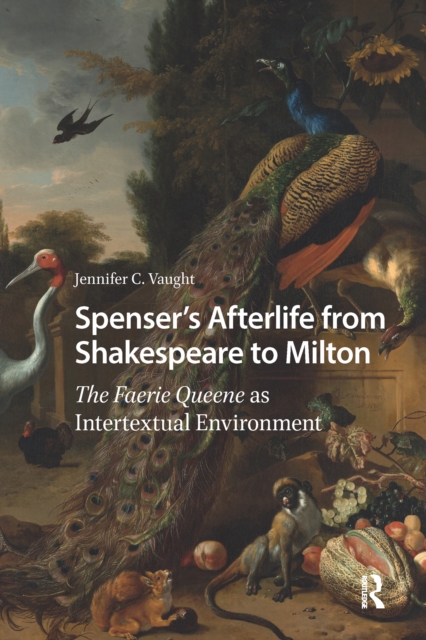
This study explores how Shakespeare, Ben Jonson, Andrew Marvell, and Milton among many others appropriated Spenser's long and shorter poems for creating comedy, parody, and satire.
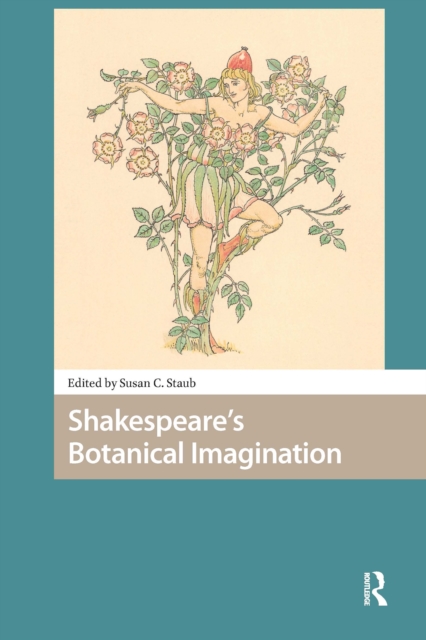
Writing on the cusp of modern botany and during the heyday of English herbals and garden manuals, Shakespeare references at least 180 plants in his works and makes countless allusions to horticultural and botanical practices.
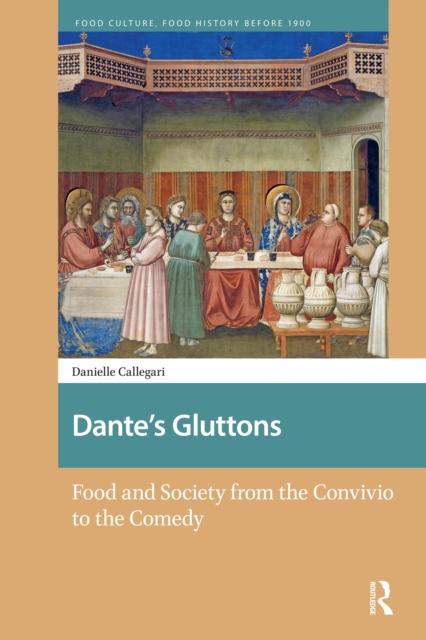
Dante's Gluttons: Food and Society from the Convivio to the Comedy explores how the medieval Italian poet Dante Alighieri (1265-1321) uses food to express and condition the social, political, and cultural values of his time.
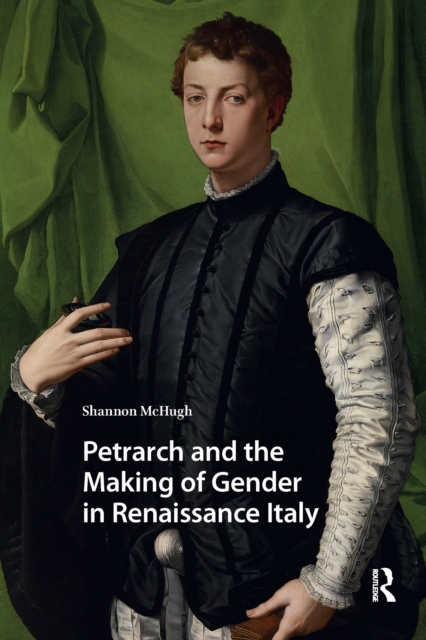
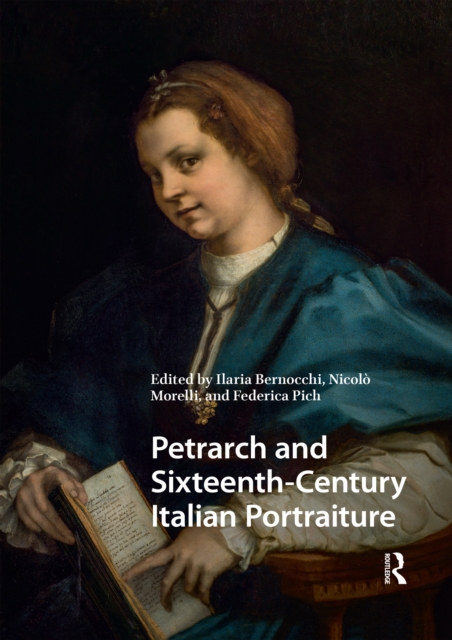
The volume presents a wide-ranging investigation of the ways in which Petrarch's legacy informed the relationship between visual and literary portraits in sixteenth-century Italy.
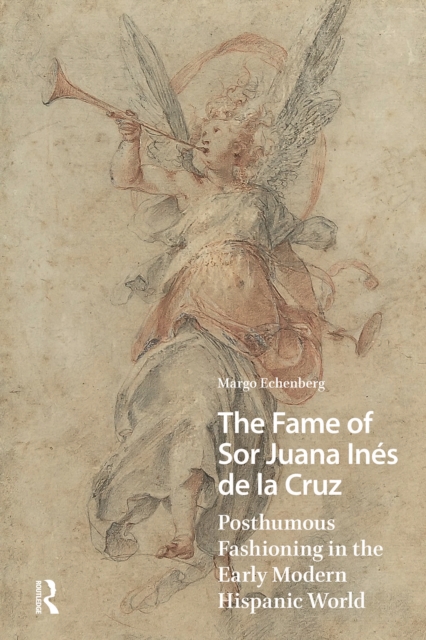
The Fame of Sor Juana Ines de la Cruz traces the meteoric trajectory of the Mexican Tenth Muse's renown and studies how her worldly celebrity was altered posthumously by elegists in her Fama y obras postumas [Fame and Posthumous Works] of 1700.
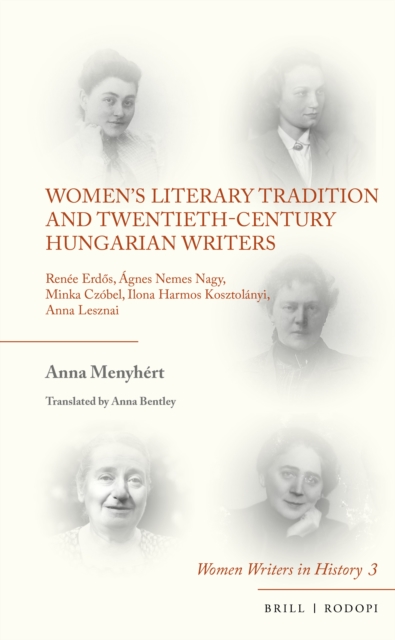
In Women's Literary Tradition and Twentieth-Century Hungarian Writers, Anna Menyhert presents the cases of five women writers whose legacy literary criticism has neglected or distorted, thereby depriving succeeding generations of vital cultural memory and inspiration.
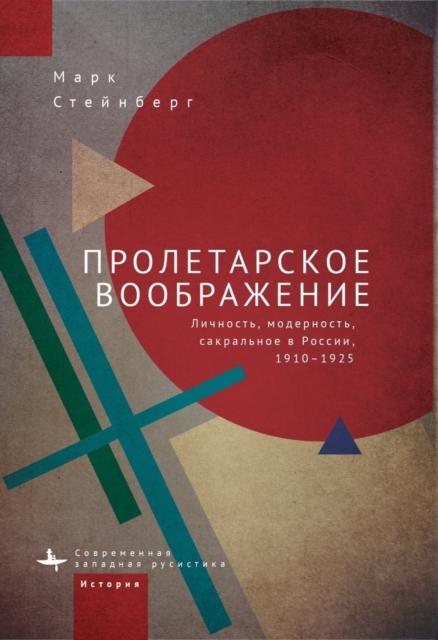
In fin-de-siècle and early revolutionary Russia, a group of self-educated workers produced a large body of poetry and prose in which they attempted to comprehend their rapidly changing world.
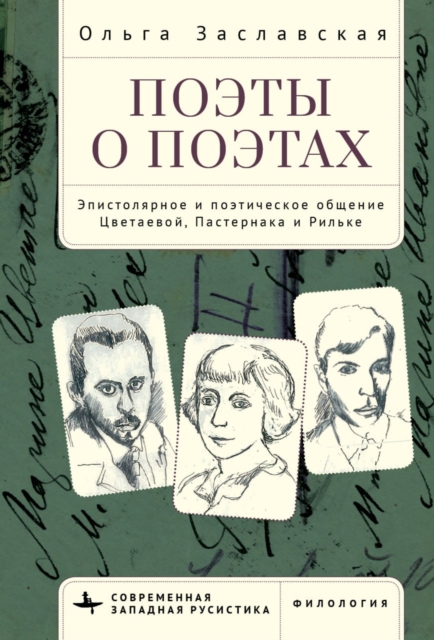
This book provides a thorough examination of how both Marina Tsvetaeva and Boris Pasternak perceived Rainer Maria Rilke’s poetic persona and oeuvre in similar ways, and how, in their perception of Rilke’s role as that of the paradigmatic poet, they had drawn on the specifically Russian poetic paradigm, i.
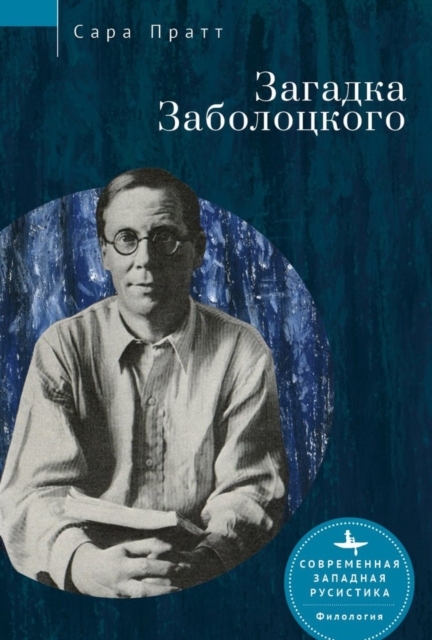
Sarah Pratt traces interwoven questions in the work of Nikolai Zabolotsky, a figure ranking just behind Pasternak, Mandelstram and Akhmatova in modern Russian poetry and the first major poet to come to light in the Soviet period.
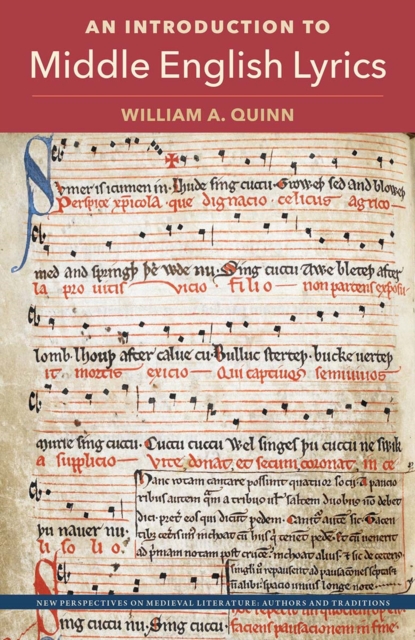
Understanding a medieval poetry genre through modern translations, commentary, and the role of performanceMiddle English lyrics are anonymous short poems that were composed between the twelfth and sixteenth centuries.
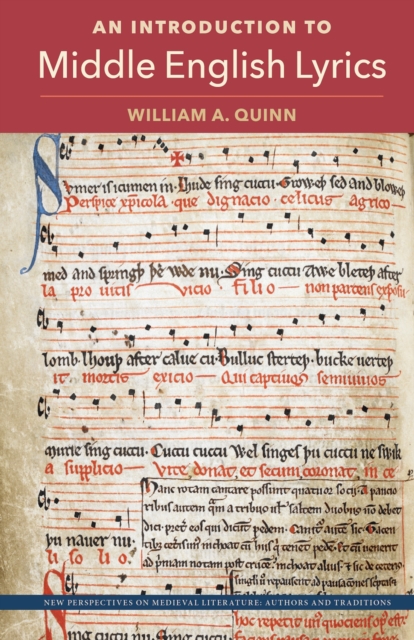
Understanding a medieval poetry genre through modern translations, commentary, and the role of performanceMiddle English lyrics are anonymous short poems that were composed between the twelfth and sixteenth centuries.
Im Mittelpunkt des Tagungsbandes stehen die Kulturtransfers zwischen Frankreich und Deutschland, die mit dem Leben und Werk Adelbert von Chamissos verbunden sind.
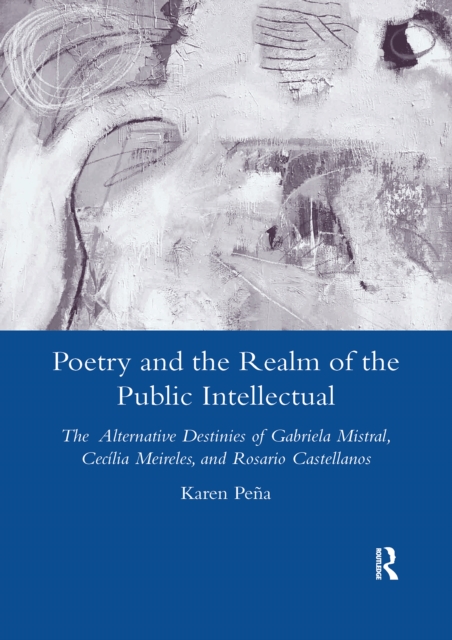
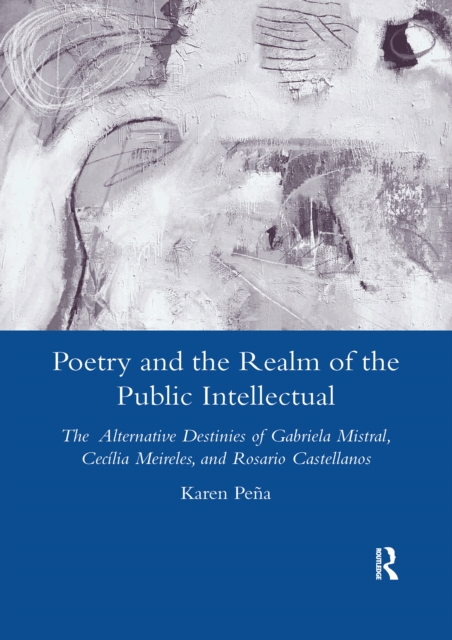
This book examines the relationship between poetry and the public sphere as it is addressed in the work of three of the most important Latin American women poets, namely Gabriela Mistral, Cecilia Meireles, and Rosario Castellanos, of the twentieth century.
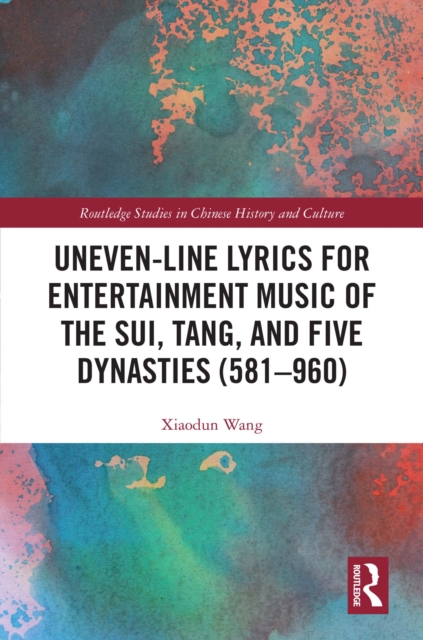
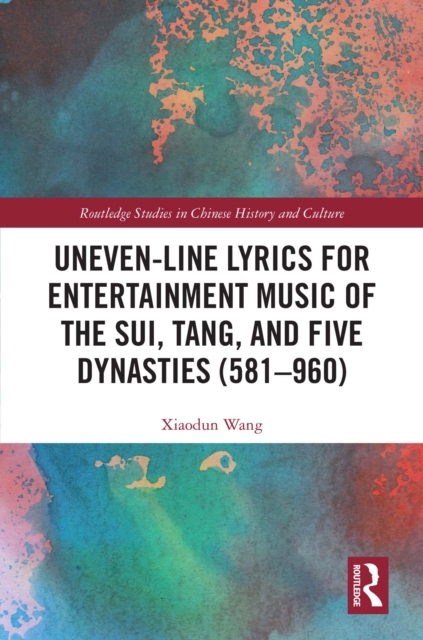
Against the backdrop of cultural exchange between China's Central Plains and Western Regions during the Sui, Tang, and Five Dynasties, this book systematically examines the uneven-line lyrics of this significant era.
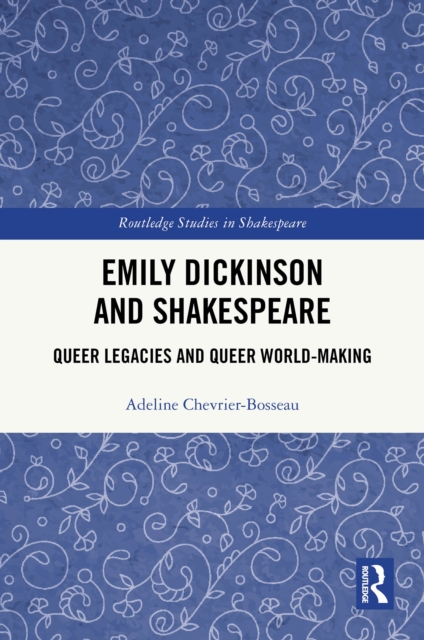
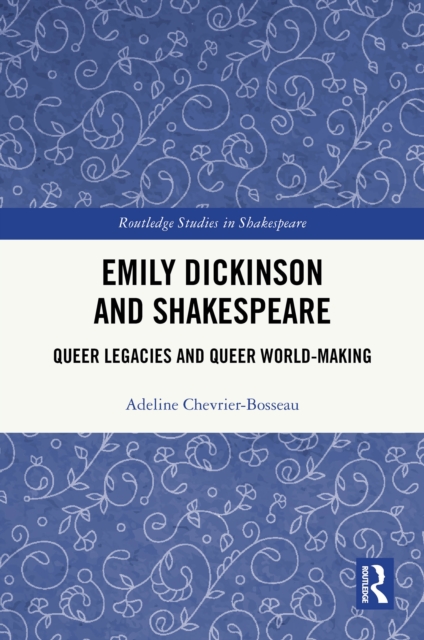
Moving beyond a cisgender, heteronormative framework, this book investigates Shakespeare's queer legacy on Emily Dickinson's work, particularly how this legacy has inflected Dickinson's queer world-making and her conception not only of gender and sexuality, but also of the lyric itself.
This book examines the relationship between poetry and the public sphere as it is addressed in the work of three of the most important Latin American women poets, namely Gabriela Mistral, Cecilia Meireles, and Rosario Castellanos, of the twentieth century.
Moving beyond a cisgender, heteronormative framework, this book investigates Shakespeare's queer legacy on Emily Dickinson's work, particularly how this legacy has inflected Dickinson's queer world-making and her conception not only of gender and sexuality, but also of the lyric itself.
Against the backdrop of cultural exchange between China's Central Plains and Western Regions during the Sui, Tang, and Five Dynasties, this book systematically examines the uneven-line lyrics of this significant era.
First published in 1937, in Scepticism and Poetry the author argues that a theory of poetry is primarily a theory of the imagination; that the imagination which is present in the making of poetry is present also in all our knowledge of the world; and that its operation in poetry cannot therefore be understood if considered apart from the activity of the imagination in knowledge.
First published in 1937, in Scepticism and Poetry the author argues that a theory of poetry is primarily a theory of the imagination; that the imagination which is present in the making of poetry is present also in all our knowledge of the world; and that its operation in poetry cannot therefore be understood if considered apart from the activity of the imagination in knowledge.
Hybridity, Identity, and Belonging in the Poetry of Moniza Alvi and Choman Hardi: Writing Home explores how contemporary British poets navigate the complex and often contested concept of 'home'.
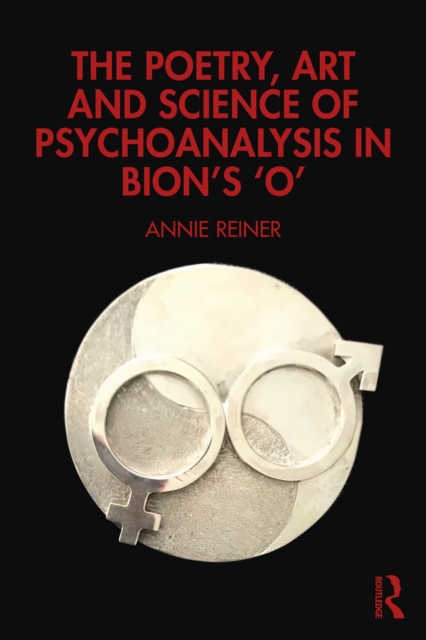
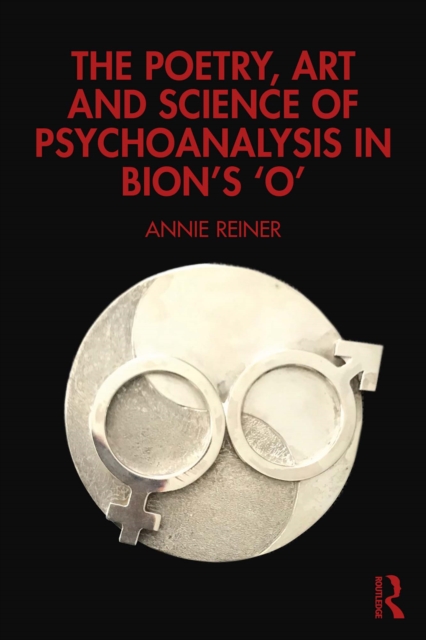
The Poetry, Art and Science of Psychoanalysis in Bion's 'O' pays homage to Wilfred Bion's lifelong love of poetry and his desire to integrate it with his psychoanalytic work as a means of communicating profound levels of emotional experience.
The Poetry, Art and Science of Psychoanalysis in Bion's 'O' pays homage to Wilfred Bion's lifelong love of poetry and his desire to integrate it with his psychoanalytic work as a means of communicating profound levels of emotional experience.
Hybridity, Identity, and Belonging in the Poetry of Moniza Alvi and Choman Hardi: Writing Home explores how contemporary British poets navigate the complex and often contested concept of 'home'.
In the nineteenth century, Tamil Nadu in South India and the Tamil-speaking regions of Sri Lanka were shaken by an extraordinary literary and religious conflict-a nearly fifty-year-long battle of wits that divided vertically Tamil scholarship across both societies.
In the nineteenth century, Tamil Nadu in South India and the Tamil-speaking regions of Sri Lanka were shaken by an extraordinary literary and religious conflict-a nearly fifty-year-long battle of wits that divided vertically Tamil scholarship across both societies.