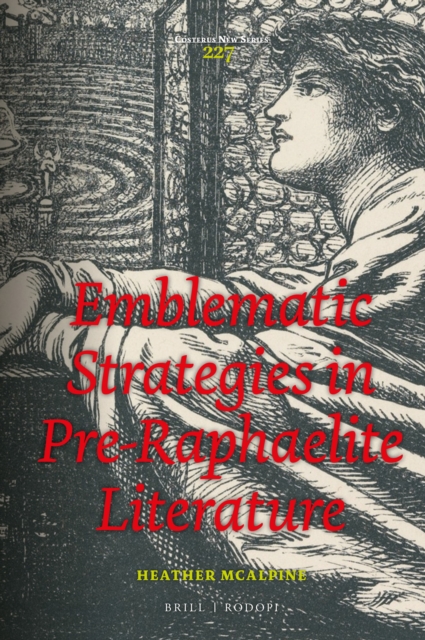
In this book, Heather McAlpine argues that emblematic strategies play a more central role in Pre-Raphaelite poetics than has been acknowledged, and that reading Pre-Raphaelite works with an awareness of these strategies permits a new understanding of the movement's engagements with ontology, religion, representation, and politics.
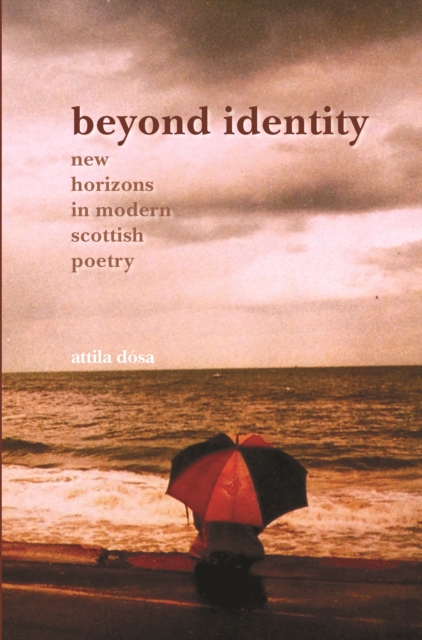
In Beyond Identity, thirteen of Scotland's best known poets reflect upon the theoretical, practical and political considerations involved in the act of writing.
Lawrence Durrell, Postmodernism and the Ethics of Alterity is of interest for any reader wishing to explore the interface between literature, and critical and cultural theory.
This book explores Margaret Atwood's distinctive use of language and style, across a selection of her prose texts, through reader-centred, cognitive stylistic analyses.
This book explores Margaret Atwood's distinctive use of language and style, across a selection of her prose texts, through reader-centred, cognitive stylistic analyses.
This book is the first of its kind in providing a lexicon of kinship terms prevalent in the Western dialects of Iran, with a parallel glossary in English.
This book is the first of its kind in providing a lexicon of kinship terms prevalent in the Western dialects of Iran, with a parallel glossary in English.
This book provides a critical and biographical account of the fascinating hand-made book of rector William Greswell (1848-1923), in which he assembled British and American reviews and accounts of the Romantic poet, critic, philosopher, and religious thinker Samuel Taylor Coleridge (1772-1834).
This book provides a critical and biographical account of the fascinating hand-made book of rector William Greswell (1848-1923), in which he assembled British and American reviews and accounts of the Romantic poet, critic, philosopher, and religious thinker Samuel Taylor Coleridge (1772-1834).
This book considers Samuel Taylor Coleridge's engagement with 'Whig poetry': a tradition of verse from the eighteenth century which celebrated the political and constitutional arrangements of Britain as guaranteeing liberty.
This book considers Samuel Taylor Coleridge's engagement with 'Whig poetry': a tradition of verse from the eighteenth century which celebrated the political and constitutional arrangements of Britain as guaranteeing liberty.