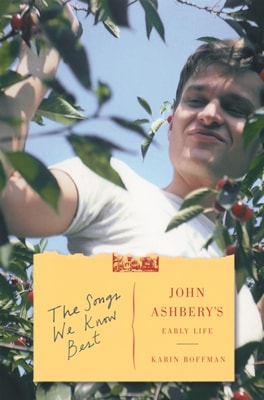
The first biography of an American masterThe Songs We Know Best, the first comprehensive biography of the early life of John Ashbery the winner of nearly every major American literary award reveals the unusual ways he drew on the details of his youth to populate the poems that made him one of the most original and unpredictable forces of the last century in arts and letters.
An unprecedented eyewitness account of the New York School, as seen between the lines of O'Hara's poetryJoe LeSueur lived with Frank O'Hara from 1955 until 1965, the years when O'Hara wrote his greatest poems, including "e;To the Film Industry in Crisis,"e; "e;In Memory of My Feelings,"e; "e;Having a Coke with You,"e; and the famous Lunch Poems so called because O'Hara wrote them during his lunch break at the Museum of Modern Art, where he worked as a curator.
In The End of the Poem, Paul Muldoon, "e;the most significant English-language poet born since the Second World War"e; (The Times Literary Supplement), presents engaging, rigorous, and insightful explorations of a diverse group of poems, from Yeats's "e;All Souls' Night"e; to Stevie Smith's "e;I Remember"e; to Fernando Pessoa's "e;Autopsychography.
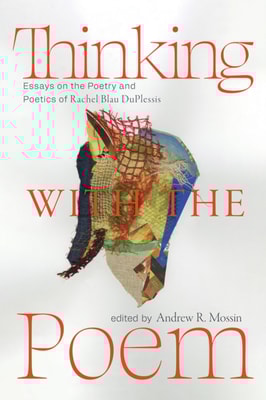
Broad-ranging and pluralistically investigative, the essays in Thinking with the Poem document Rachel Blau DuPlessis's authorial interventions as a poet, scholar, and cultural critic steeped in the linguistic and political frames of her time.
African-American Writers and Journalists spans nearly three centuries of literary and journalistic history, from a long-unpublished ballad composed in the 1740s by a slave named Lucy Terry to the works of the Nobel Prize-winning novelist Toni Morrison.
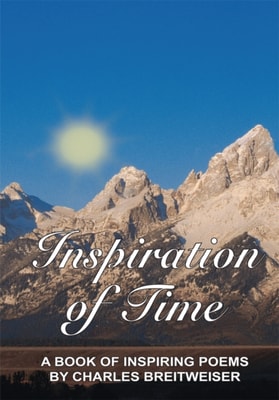
An inspiring collection of poems written by a man who suffered a traumatic ordeal and turned tragedy into triumph, with a philosophy that can empower anyone to reach a higher level of being!
From the posing of the very first question in the opening poem, 'Fragment of a Victorian Dialogue', John Fuller's enquiring and elegiac new collection arrives with a sharp sense of mortality, marked by the passing of time.