Building on recent critical work, this volume offers a comprehensive consideration of the nature and forms of medieval and early modern childhoods, viewed through literary cultures.
The book analyses a variety of topics and current issues in linguistics and literary studies, focusing especially on such aspects as memory, identity and cognition.
This book follows the renunciation story in Borges and beyond, arguing for its centrality as a Borgesian compositional trope and as a Borgesian prism for reading a global constellation of texts.
Latinx Literature Now engages with a diverse collection of works in Latinx literary studies, critical theory, and the philosophy of history, as well as a wide range of Latinx literary texts, in order to offer readers an alternative model of how Latinx literary scholarship and Latinx literary criticism might go about doing their work.
Animal Visions considers how literature responds to the harms of anthropocentricism, working with Emily Bronte's Wuthering Heights (1847) and various adaptations of this canonistic novel to show how posthumanist dream writing unsettles the privileging of the human species over other species.
Cognition, Mindreading, and Shakespeare's Characters brings cognitive science to Shakespeare, applying contemporary theories of mindreading to Shakespeare's construction of character.
Exploring representations of queer aging in North American fiction, this book illuminates a rich yet previously unheeded intersection within American culture.
Cultural Memory, Memorials, and Reparative Writing examines the ways in which memory furnishes important source material in the three distinct areas of critical theory, memoir, and memorial art.
This book follows the renunciation story in Borges and beyond, arguing for its centrality as a Borgesian compositional trope and as a Borgesian prism for reading a global constellation of texts.
Reading John Milton is a guide to Milton's writings written for students, teachers, and readers everywhere seeking to approach this major figure in English and world literature.
The term metafiction invaded the vocabulary of literary criticism around 1970, yet the textual strategies involved in turning fiction back onto itself can be traced through several centuries.
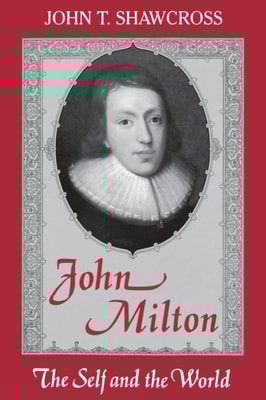
The facts of John Milton's life are well documented, but what of the person Milton-the man whose poetic and prose works have been deeply influential and are still the subject of opposing readings?
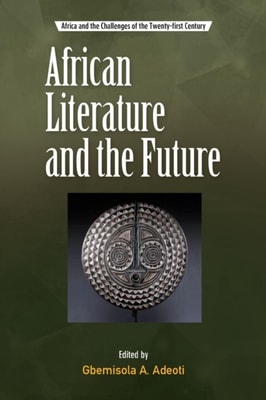
Many African countries achieved independence from their colonisers over five decades ago, but the people and the continent largely remain mere spectators in the arena of their own dance.