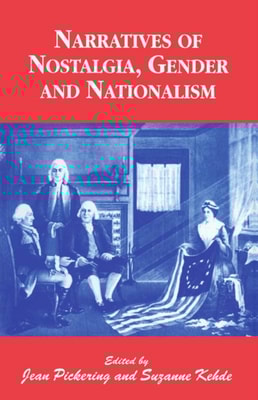
Using texts ranging from the writings of Schlegel to the speeches of the fiftieth-anniversary commemoration of D-Day, these essays explore the ways in which nostalgia brokers the relations between the master narratives of gender and the master narratives of nationalism.
Anyone wishing to write short stories and novels will learn from The Art of Creating Fiction how some eminent writers, such as William Faulkner and Virginia Woolf, created their art.
Allegories, rhetoric, imagery, commonplaces, cliches and archetypes are discussed in connection with the literary work of authors such as Montaigne, Shakespeare, Jules Verne, Emile Zola and James Joyce.
This collection of essays examines a wide range of topics relating to deconstruction, which emerged in France as a reaction to structuralism but has found its greatest response in America, where literary critics have built on its basic assumptions to create a new critical movement.
This is an examination of the principle works of Anglo-American novel criticism, defining the values, method and concepts that these works have in common and advancing a defence of Anglo-American humanistic criticism and the ideas proposed by Structuralism, Marxism and deconstruction.
This text uses machine data of poetry readings to discover features of rhythm and intonation and to clear away methodological problems that hamper the teaching of poetic melody.
An attempt to trace the origins of the romantic image of the Highlands, by examining the economic, military and ideological circumstances of the region's subjugation by the British state.
Since the Romantics culture has been identified with the promise of a complete development of human capacities and, typically, the 'rise of English' has been viewed in terms of the (true or distorted) fulfilment of this promise in the education system.