Wie die Orte der Grausamkeit literarisch vorstellbar gemacht werden, zeigt dieses Buch anhand einer Fülle literarischer Werke, die in deutscher Sprache gelesen werden können, welcher Nation die Autoren auch immer angehören.
In 'The Captain's Death Bed & Other Essays' by Virginia Woolf, the reader is presented with a collection of thought-provoking and insightful essays that delve into various topics such as literature, feminism, and the nature of writing itself.
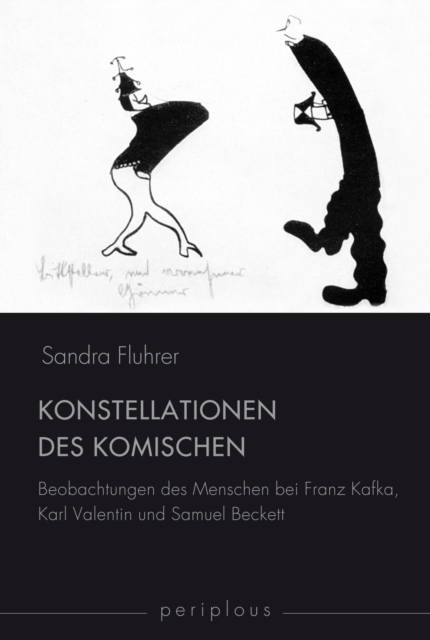
Die Frage, wie Komik funktioniert, gehört zu den besonders umstrittenen und zugleich zu den besonders vernachlässigten Problemstellungen der geisteswissenschaftlichen Forschung.
In Rainer Maria Rilkes Werk 'Ausgewählte Beiträge über Kunst und Literatur' werden Leser in eine faszinierende Welt der Künste und Literatur eingeführt.
Gustave Flaubert's 'Bouvard & Pecuchet' is a masterpiece of French literature, known for its satirical and comedic portrayal of two aspiring intellectuals who embark on countless pursuits of knowledge and success, only to face repeated failures.
Die Studie untersucht das Phänomen der erzählenden Anrede, die gattungsübergreifend in einer Vielzahl von religiösen Texten des Spätmittelalters auftaucht.
Karl Philipp Moritz, ein bedeutender deutscher Schriftsteller, präsentiert in seinem Werk 'Das Edelste in der Natur und andere philosophische Schriften' eine Sammlung von philosophischen Schriften, die tiefgründige Analysen und Betrachtungen über die Natur und den Menschen beinhaltet.
La obra de Pier Paolo Pasolini conforma un archipiélago de poesías, relatos, ensayos, intervenciones, films y documentos que invitan a una constante indagación.
Der "Kulturroman" beruht auf einer Verbindung von Gattungstypologie und Wissensbildung; er gleicht weder dem Bildungsroman noch archivierenden Schreibweisen.
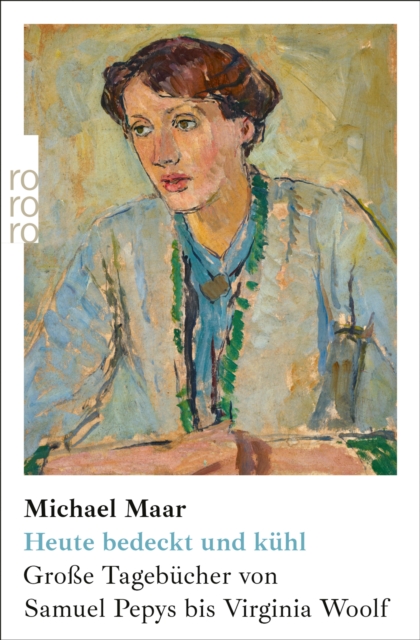
Gedachtes und Erlebtes zu ordnen, Zwiegespräch mit sich selbst zu führen oder auch Zeugnis abzulegen, Flüchtiges festzuhalten im Strom der Zeit: Es gibt viele gute Gründe, Tagebuch zu führen.
Sartres grundlegendes Werk über das Wesen der Literatur, das zugleich ein Schlüsselwerk seines Denkens ist, entstand 1947 als Antwort auf eine Polemik: Man hatte Sartre vorgeworfen, er wolle mit seiner Forderung nach einem Engagement der Literatur diese in den Dienst politischer Zwecke stellen und zur Tendenzliteratur machen, Sartre wies diesen Vorwurf zurück, indem er die für die Literatur grundlegenden Fragen zu beantworten versuchte: Was ist Schreiben?
Die interdisziplinär angelegte Studie widmet sich der Untersuchung der Überlieferungs- und Textgeschichte, der literarischen Autorschaft und den Erzählverfahren frauenmystischer Viten- und Offenbarungsliteratur des Spätmittelalters.
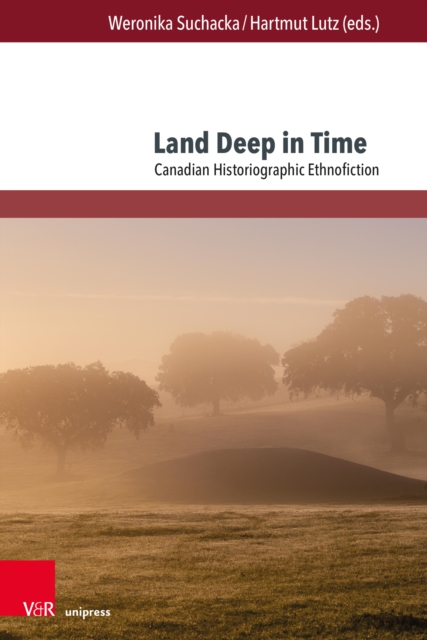
This volume brings together a group of most highly acclaimed Canadian writers and distinguished international experts on Canadian literature to discuss what potential Janice Kulyk Keefer's concept of "e;historiographic ethnofiction"e; has for ethnic writing in Canada.
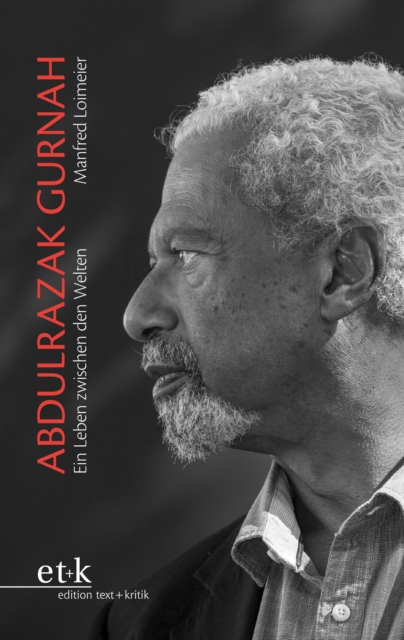
Statt abstrakt politische sind es bei Abdulrazak Gurnah konkret persönliche Situationen, in denen die Möglichkeiten und Bedingungen des internationalen Zusammenlebens ausgehandelt werden.
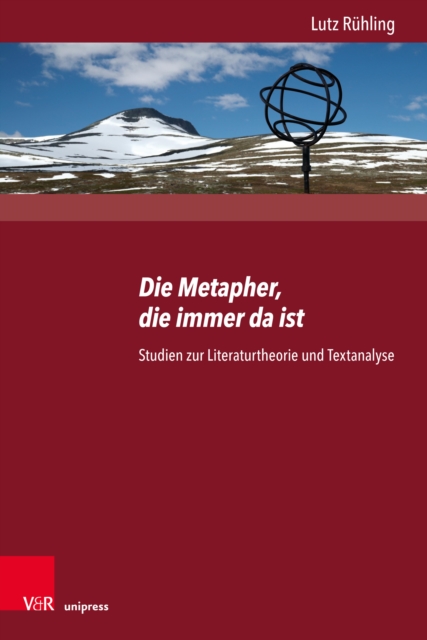
Fiktionalität und Poetizität, Formen des Fantastischen in der Literatur, Psychologie und Literaturwissenschaft, Literarische Imagologie und Stereotypenforschung – diese Studien befassen sich mit Grundfragen der Allgemeinen Literaturwissenschaft in theoretischen Darstellungen und Reflexionen und in exemplarischen Analysen weltliterarischer Texte der norwegischen, schwedischen, finnischen und färingischen Literatur.
Durante el último año de su vida, Pier Paolo Pasolini desarrolló una penetrante requisitoria contra los rasgos que había adquirido la sociedad italiana, a la que veía tan destruida como en 1945.
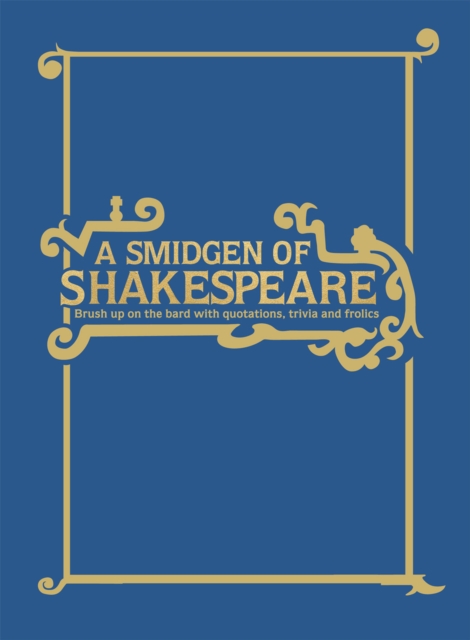
If the mere mention of Shakespeare fills you with dread, evoking memories of arduous afternoons spent in stuffy classrooms with eccentric English teachers, it is time to reconsider that far from being three-hour marathons of unintelligible boring rubbish, Shakespeare's plays are in fact exciting, tragic, funny and often downright rude - full of memorable plots, great insults, filthy jokes and eccentric characters.
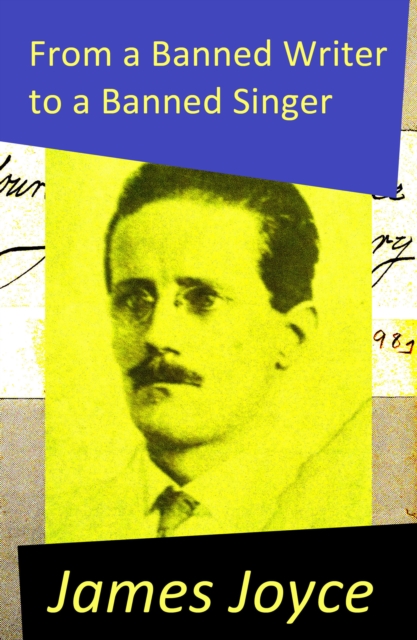
From a Banned Writer to a Banned Singer is best read as a compact meditation on censorship, artistic notoriety, and the uneasy public life of modernism.
Desastre: lo que queda por decir cuando se ha dicho todo, ruina del habla, desfallecimiento de la escritura, rumor que murmura, lo que resta sin resto; siempre por venir, siempre pasado; histórico fuera-de-la-historia.
Este libro pretende desarrollar un objeto crítico específico (delimitado en su momento por Edward Said y Roland Barthes), los relatos y los dispositivos de comienzo en las ficciones, estudiando tres grandes modalidades al respecto: origen, infancia, comienzos de escritura.