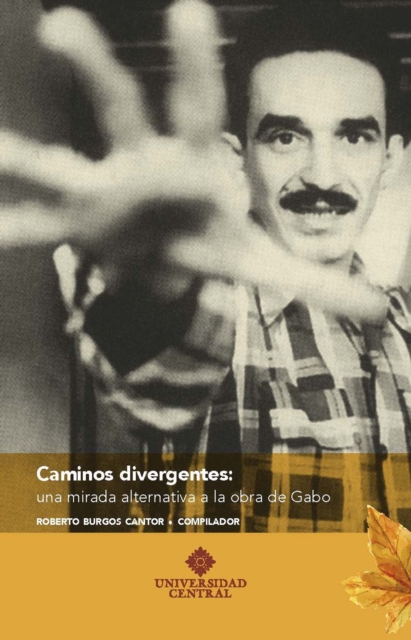
Los textos aqui compilados se fraguaron en torno a la creacion de la Catedra Gabriel Garcia Marquez, del Departamento de Creacion Literaria de la Facultad de Ciencias Sociales, Humanidades y Arte de la Universidad Central; con el fin de exaltar la obra literaria el nobel colombiano y de estimular su lectura y su estudio a la luz de nuevas interpretaciones.
En esta obra se reconocen los aspectos que vinculan la historia y la ficcion en terminos de la tension que ya se encuentra en la creacion literaria de Walter Scott.
La 'Colación muy provechosa' de Fray Hernando de Talavera figura entre los primeros escritos dirigidos a la reina Isabel en el primer lustro de gobierno.
Per primera vegada en un sol volum, el lector té al seu abast més de 200 rondalles agrupades en blocs temàtics, classificades segons els criteris internacionals i explicades dins el context del folklore universal.
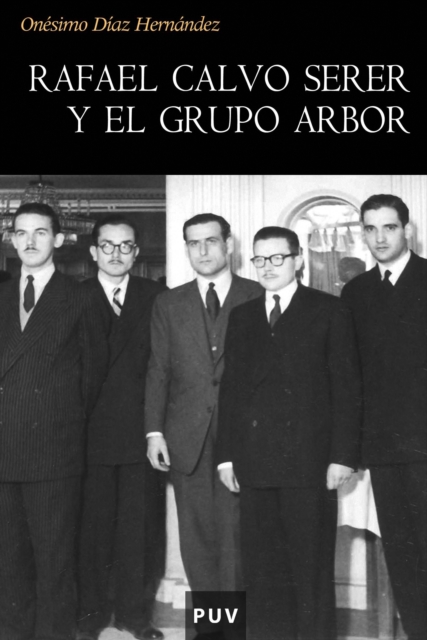
Este libro es un estudio de la figura de Rafael Calvo Serer y su influencia en la revista Arbor, sobre todo en un grupo de personas que colaboraron de manera estrecha en esa revista y en otras empresas culturales durante el franquismo.
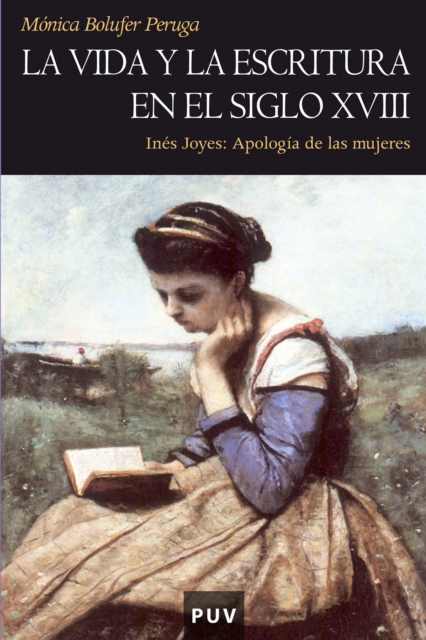
Este libro parte de un enigma: desvelar la identidad de la autora de uno de los más importantes textos críticos sobre la condición de las mujeres de su época, la 'Apología de las mujeres' (1798), un ensayo cuya audacia contrasta con la oscuridad que rodea las circunstancias de su aparición.
Lliçó magistral llegida per part de la doctora Evangelina Rodríguez Cuadros en el solemne acte d'obertura del curs 2008-2009 sobre els estudis literaris a la Universitat de València o la literatura com a paradoxa.
Leccion magistral leida por parte de la doctora Evangelina Rodriguez Cuadros en el solemne acto de apertura del curso 2008-2009 sobre los estudios literarios en la Universitat de Valencia o la literatura como paradoja.
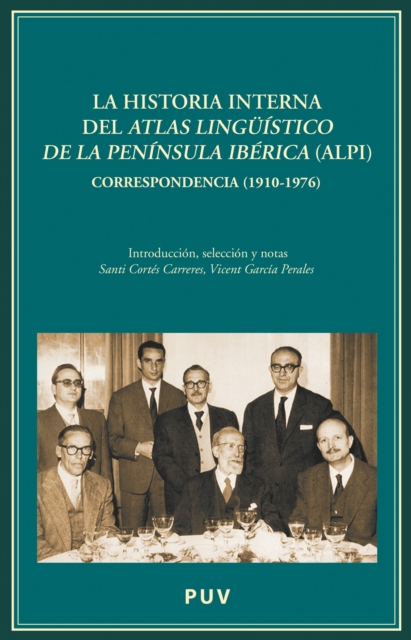
Este libro, que transcribe 322 cartas de los protagonistas de la aventura cientifica que fue ALPI - seleccionadas de entre mas de mil localizadas en archivos publicos y privados, y clasificadas cronologicamente por periodos significativos-, es una historia interna de los intentos para construir una parcela de la ciencia linguistica, la dialectologia y la geografia linguistica, a la altura de lo que existia en otros paises europeos.
Con motivo del segundo centenario de la muerte del escritor Friedrich von Schiller, se reunen en este volumen estudios en torno a su obra y su recepcion en otros paises, asi como sobre su influencia en la produccion literaria de autores posteriores.
Ante la sensación de que lo viejo no termina de abandonarnos y lo nuevo no termina de nacer, la nostalgia moderna y la desilusión posmoderna, nos adentramos huérfanos en el siglo XXI.
This book explores, as one of the priorities of the feminist agenda in the 21st century, feminist education and awareness in pre-service and in-service teacher training.
Hans-Georg Gadamer, uno de los representantes más destacados de la filosofía hermenéutica del siglo XX, nos acerca en este libro a la lírica alemana contemporánea.
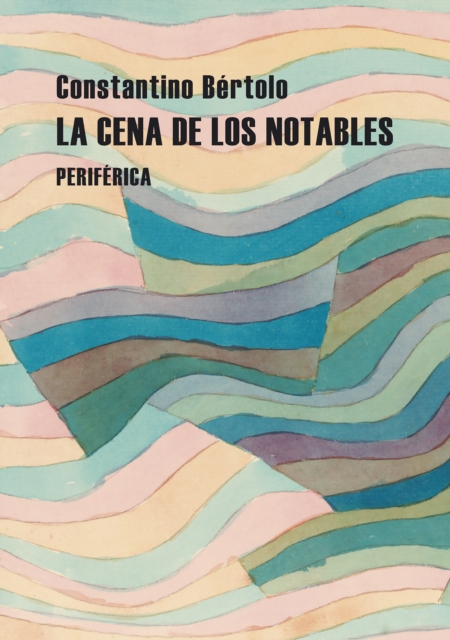
Este ensayo es el resultado de años de trato con la actividad literaria a cargo de su autor, Constantino Bértolo, uno de los críticos y editores más prestigiosos de España, y es también el resultado de la reflexión sobre algunas de las claves de dicha actividad: la escritura, la lectura y la crítica.
En "Inventario de recuerdos", María Elena D′Alessandro Bello realiza un análisis de la literatura escrita desde y sobre Caracas a partir de la propuesta de tres novelistas y cinco novelas: "El exilio del tiempo" (1990), "Vagas desapariciones" (1995) y "Los últimos espectadores del acorazado Potemkin" (1999) de Ana Teresa Torres; "Juegos bajo la luna" (1994) de Carlos Noguera y "El round del olvido" (2002) de Eduardo Liendo.
Publicado como primera sección del libro titulado "Faux pas" (1943), "De la angustia al lenguaje" reúne a su vez una serie de pequeños ensayos centrados en torno a la literatura y la lengua —y sus aporías— a partir del diálogo, crítico y creativo, que Maurice Blanchot, de una forma singular y con su inconfundible estilo, establece con autores tan diferentes como son su gran amigo Bataille y el Maestro Eckhart, Racine y Blake, Kierkegaard y Proust, Paulhan y Giraudoux, sin olvidar tampoco a Leonardo da Vinci o el pensamiento hindú.
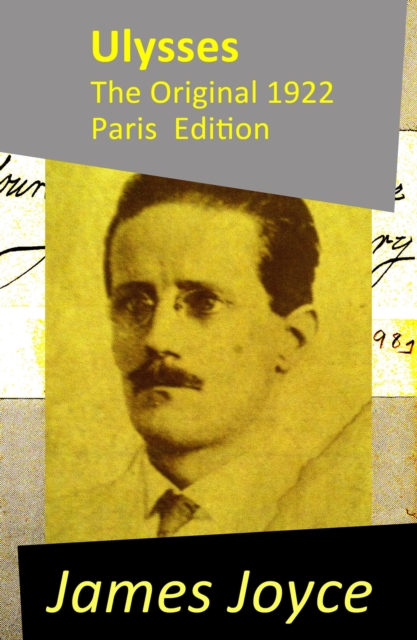
Ulysses: The Original 1922 Paris Edition presents James Joyce's revolutionary modernist epic in the form first issued by Sylvia Beach's Shakespeare and Company.
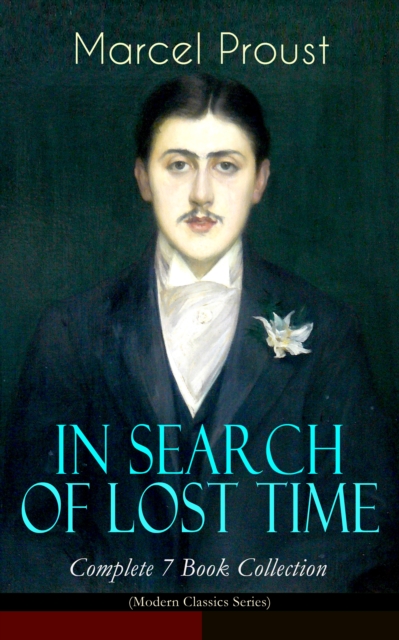
This carefully crafted ebook: "e;IN SEARCH OF LOST TIME - Complete 7 Book Collection (Modern Classics Series)"e; is formatted for your eReader with a functional and detailed table of contents.
Este libro parte de la reflexión colectiva en torno a los estudios culturales, proyecto heterogéneo que surgió en Birmingham, Inglaterra, en la década de los años sesenta del siglo XX, el cual rápidamente se convirtió en un vasto campo de producción en torno a una gran diversidad de enfoques e intereses, en cuyo centro se situaba una clara preocupación política, pues además de su reformulación del marxismo se incorporó a los "nuevos movimientos sociales", como el feminismo, el poscolonialismo y el movimiento gay, entre otros.
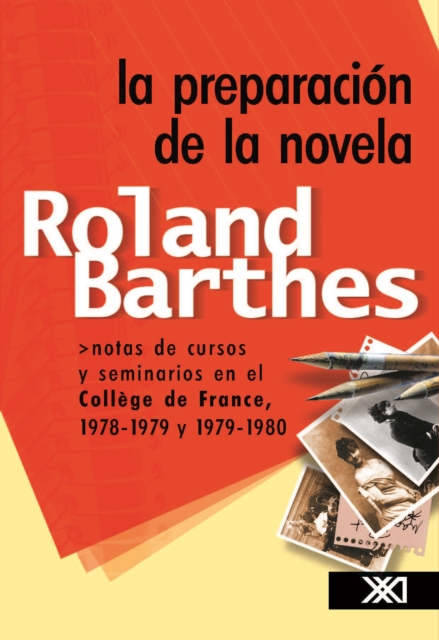
Este libro encierra manuscritos, apuntes, anotaciones, citas, fotografías: en suma, todo lo que Roland Barthes colocaba sobre la mesa de su seminario en el College de France.
Anfang 2016 wird Adolf Hitlers Mein Kampf im Rahmen einer wissenschaftlich kommentierten Edition zum ersten Mal seit Kriegsende wieder in Deutschland zu kaufen sein.