Through multiple points of resistance, The Repressed Expressed underscores how hard it is to build a community in any nation with no beneficial qualities of hope and transparency.
This project come out from our need to harness voices in Africa and Latin America, giving these voices an opportunity to converse, argue, synthesize, agree, and share ideas on the craft of writing, on life, on being and on thinking for the benefit of all.
Education of the Deprived is a perceptive socio-artistic examination of the key works of some major writers of Anglophone Cameroon literary drama today.
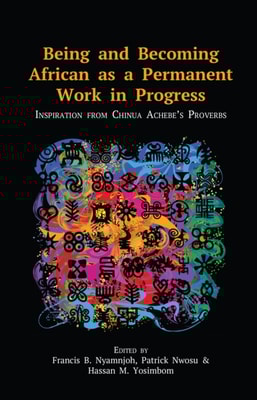
This book is a timely addition to debates and explorations on the epistemological relevance of African proverbs, especially with growing calls for the decolonisation of African curricula.
The focus of this book is to assess, through language and literary studies in interpretation, the epistemic representation of frontiers in its shifting and fixing categories.
This book is a timely addition to debates and explorations on the epistemological relevance of African proverbs, especially with growing calls for the decolonisation of African curricula.
The Creative Writing Compass presents a dynamic navigational instrument for creative writers and those learning to be creative writers, providing a method for developing and advancing knowledge of creative writing.
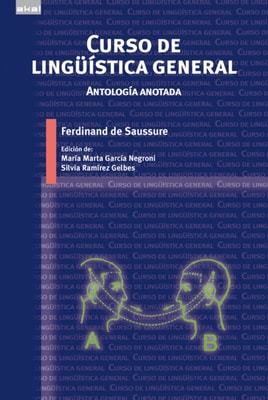
El Curso de Linguistica General, publicado originalmente en 1916 a partir de los tres cursos impartidos por Ferdinand de Saussure entre 1907 y 1911 en la Universidad de Ginebra, se puede considerar como el texto fundacional de los estudios linguisticos modernos.
La presentación del delito en los medios de comunicación es parte de un circuito productivo integral que incluye las condiciones de estructuración del sector de las comunicaciones, las rutinas de trabajo, los criterios, operaciones y encuadres editoriales, su puesta en el aire y su recepción por parte del público.
El diagnóstico de época que se desprende de los testimonios de jóvenes populares en los que se basa este libro refiere al sentimiento de inexistencia de claras trayectorias institucionales que aseguren el tránsito entre los diferentes períodos etarios; en la imagen de una trama institucional globalmente abusiva y que sólo algunos individuos logran matizar; en la fuerza de las aspiraciones y de los sueños personales que no se abdican.
La cultura de masas es una expresión que, incluso con sus especificidades contingentes, se desarrolló en el mundo occidental a la salida de la Segunda Guerra Mundial.
La relación entre la escritura y el género femenino está signada por la lucha entre el disciplinamiento y la transgresión, entre las prohibiciones y los espacios asfixiantes.
En el barrio de la infancia, los amores y los libros son intensos, la lectura no es un oficio módico sino la llave que abre puertas a otros mundos: las grandes librerías del centro, la vida literaria, la amistad o la enemistad con escritores y artistas.
Luego de los trabajos sobre la historia del libro y de la edición en América latina que presentó en La otra cara de Jano, José Luis de Diego, uno de los mayores especialistas argentinos en la materia, se propone aquí retomar ciertos objetos de investigación y agregar otros con la virtuosa intención de encarar la historia desde diferentes perspectivas.
Un vicio, una fiebre, una neurosis que se inicia en la infancia y prospera: así se presenta en este libro la lectura, como una experiencia radical, intensa.
Feminist Literary and Cultural Criticism explores inter-disciplinary connections across Cultural Anthropology, Geography, Psychology, and feminist literary criticism to develop a theoretical framework for spatial criticism.
This book aims to provide comprehensive empirical and theoretical studies of expanding fandom communities in East Asia through the commodification of Japanese, Korean and Chinese popular cultures in the digital era.
This book is a selection of the papers presented at an international conference on "e;Meaning as Production: The Role of the 'Unwritten'"e;, held in Singapore in 1995.
Feminist Literary and Cultural Criticism explores inter-disciplinary connections across Cultural Anthropology, Geography, Psychology, and feminist literary criticism to develop a theoretical framework for spatial criticism.
This book offers a considered voice on the advertising chaos that colours our rapidly changing media environment in a world of fake news, fast facts and seriously depleted attention stamina.
This book provides a chronological record of the development of Chinese thoughts on public finance over its 4,000 years of history, ranging from the Xia Dynasty to the founding of the People's Republic of China in 1949.
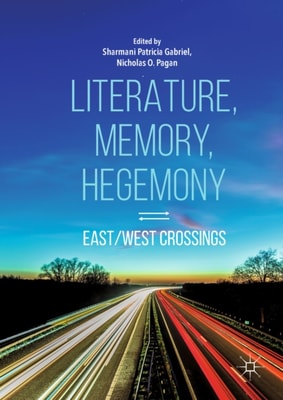
This edited book considers the need for the continued dismantling of conceptual and cultural hegemonies of 'East' and 'West' in the humanities and social sciences.
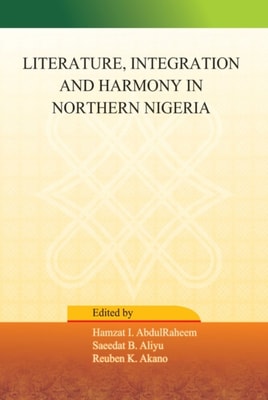
This book explores from various perspectives how the literature of the northern region of Nigeria has promoted the ideology of integration and societal resurgence.
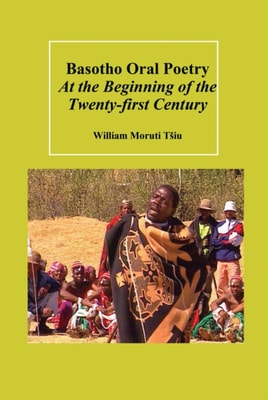
This book contains a major research into, and deep investigation of Basotho language oral poetry in Lesotho at the beginning of the twenty-first century.
A concern for social regeneration stands as the factor that animates Soyinka,s life-long involvement in social and political activism, leading to hid incarceration for two years during the civil war, and his having to flee into exile during the period of Sani Abacha,s dictatorship.
The multitudinous nature of African literature has always been an issue but really not a problem, although its oral base has been used by expatriate critics to accuse African literature of thin plots, superficial characterisation, and narrative structures.