Since the Nobel Prize was born in 1901, the gates of glory have been open to brilliant minds and innovators who have changed the course of history in various fields.
This book presents a comprehensive view of the course of artistic prose, revealing its development from the pre-Islamic era to the fourth century AH, highlighting its characteristics and most prominent figures.
The history of Arabic literature is not merely a chronicle of the origins of words and styles; it is a living record of the progress of Arab thought since the earliest times.
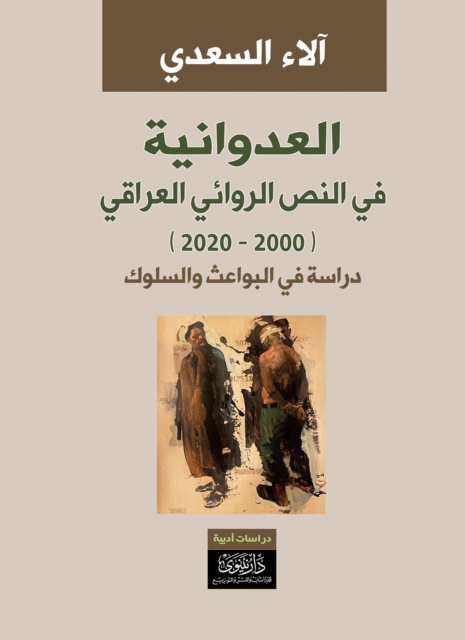
When you choose the topic of "aggression" and write at a time when society is experiencing a revolution and massive demonstrations that extended from the beginning of the writing until its completion, and those demanding their rights were subjected to the most heinous forms of aggression, this in itself constitutes a suffering specific to the researcher; because she experiences aggression as other demonstrators do, and what is striking is that she also practices it.
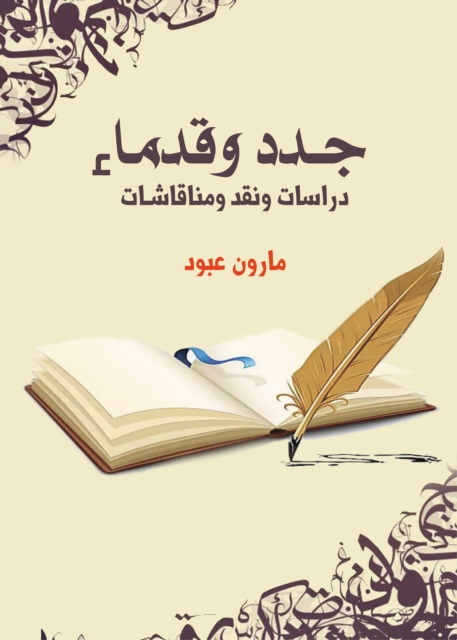
The first edition of this book, published in 1954 by the Lebanese writer and critic Maroun Abboud, presents an analytical and critical study of the works of some ancient and modern poets.
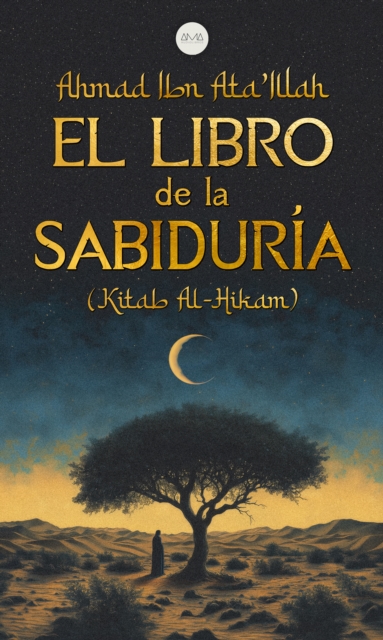
La obra "Kitab al-Hikam" o "El Libro de la Sabiduría" de Ibn Ata'illah, es una colección de aforismos y reflexiones espirituales que abordan los principios fundamentales del sufismo.
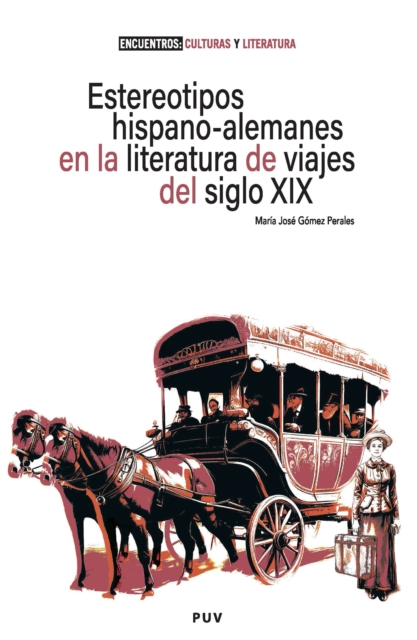
'Estereotipos hispano-alemanes en la literatura de viajes del siglo XIX', de María José Gómez Perales, examina cómo los relatos de viaje de autores españoles y alemanes de esa época reflejan y configuran las imágenes mutuas entre ambas culturas.
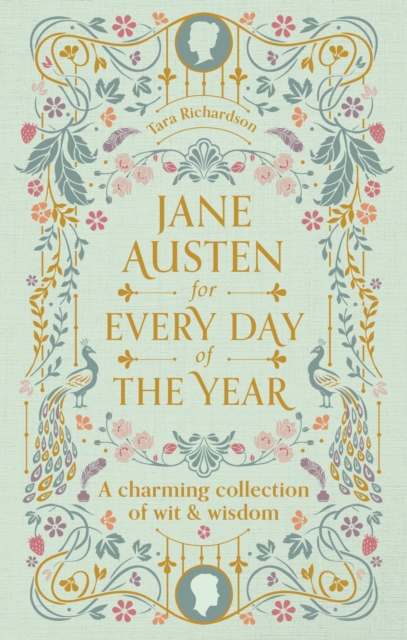
Jane Austen for Every Day of the Year is a charming collection of 366 quotes and short passages drawn from Jane Austen's novels, with excerpts from her intimate, witty letters scattered throughout.
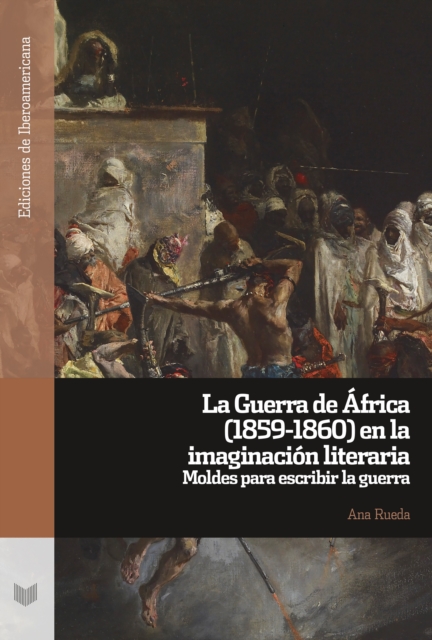
Resultado de quince años de investigación, esta obra trata de los testimonios literarios de la primera guerra hispano-marroquí de 1859-1860, popularmente conocida como "Guerra de África"; uno de los mayores acontecimientos mediáticos del siglo XIX con gran impacto en el público español.
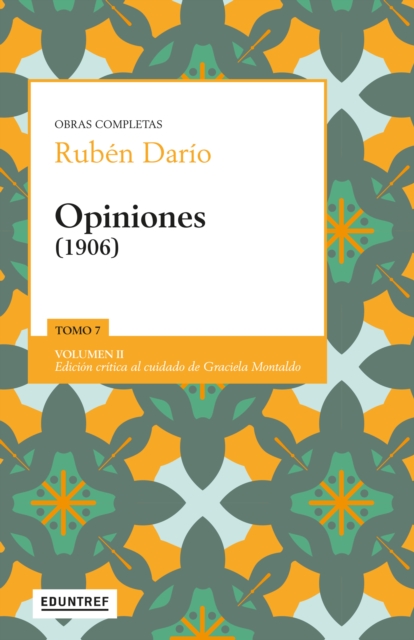
La Universidad Nacional de Tres de Febrero presenta una nueva edición de las Obras completas de Rubén Darío en diez tomos, cada uno de ellos dividido en una cantidad variable de volúmenes.
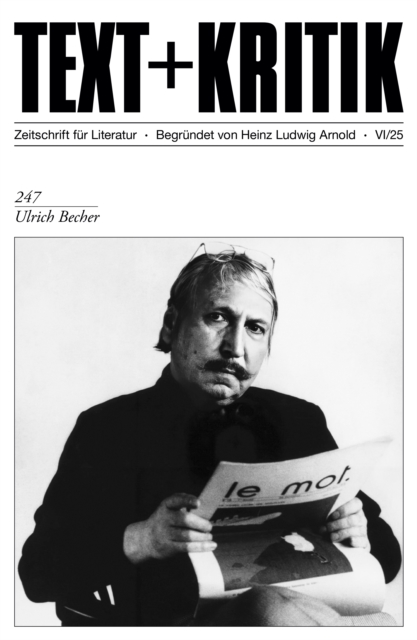
Als "ein Buch wie ein Raumschiff, in dem man aufbrechen kann in wahnwitzige, urkomische und höchst bedrohliche Welten" bezeichnete Eva Menasse Ulrich Bechers Roman "Murmeljagd".
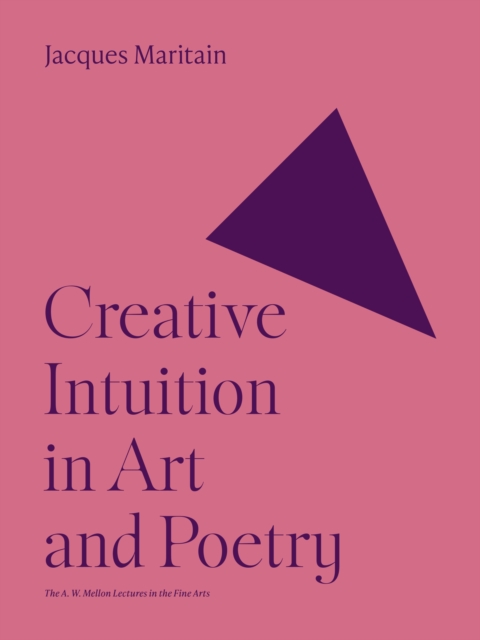
The classic work on the sublime interplay between the arts and poeticsThis book explores the rich and complex relationship between art and poetry, shedding invaluable light on what makes each art form unique yet wholly interdependent.
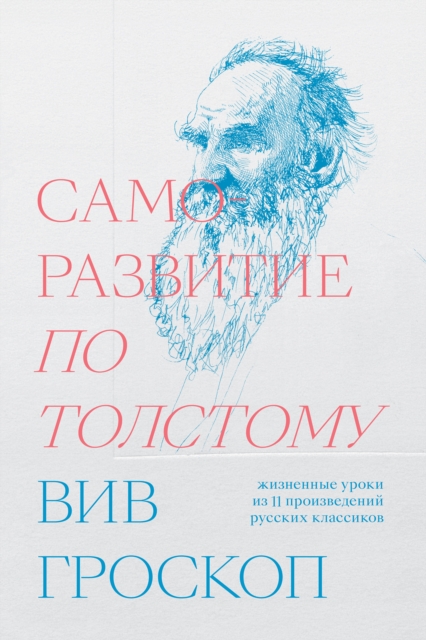
As Viv Groskop knows from personal experience, everything that has ever happened to a person has already happened in the Russian classics: from not being sure what to do with your life (Anna Karenina), to being hopelessly in love with someone who doesn't love you back (Turgenev's A Month in the Country), or being socially anxious about your appearance (all of Chekhov's work).
The book of al -Jaman necklaces in the pioneers of the poets of this time, famous for the contracts of Al -Juman in the poetry of this time in the circle of the interest of specialists in the scope of Arabic language sciences in particular, and those researchers in the topics close to general in general; Where the book of al -Jaman necklaces enter into the pioneers of the poets of this time, which is famous for the contracts of Al -Juman in the poetry of this time within the scope of language science and the documentation of other specializations such as poetry, linguistic rules, literature, rhetoric, and Arabic literature.
"The work of this book is Abu Muhammad Abdullah bin Al -Muqafaa, the writer, famous for rhetoric, the owner of the wonderful messages, and he is one of the people of Persia who were affected by the charge of heresy and he was spasmed in it after his death.
The end of the Arabs in the art of literature is a literary encyclopedia accomplished by the Egyptian historian Shihab al -Din al -Nuwairi before the year 721 AH.
The end of the Arabs in the art of literature is a literary encyclopedia accomplished by the Egyptian historian Shihab al -Din al -Nuwairi before the year 721 AH.
Megan had everything she wanted, a good job she enjoyed doing it and a wonderful and preacher family, everyone told her that he would be a good and interested husband.
This manuscript does not carry a name, because the hand that overwhelmed it, and the neglect of its memorization for a long time - as it seems - they are fighting, what lost the name of the book, and the name of its compiler, but the importance of the manuscript and its ways comes from the fact that it contains chapters and chapters, it is rare in the manuscript in the manuscript It begins with a door for the nicknames of poets, then those who are part of the poets, for the brothers are poets, then the poets are pimples, princes and ministers, so the poets of the writers, and the poets of the Arab slaves, so the slave of the women of the women, and a final door for the crazy poets.
"Since the era of modernity, I have been reading literature and illustration books in reading the jurisprudence of language, so I removed from that time to love translation and authorship, so I classified some books and transferred some of them to Arabic, so I came across this work of obstacles and difficulties that need to be overcome to great hardships that he cannot or feel With it except for those who paid this rugged road and the sounding of his gun, and the obstacles were in front of me two hurdles: the first is the lack of Arabic terms corresponding to the lexical terms, and the second is to Arabize some of the necessities of Arabization from the terms that cannot be created and replaced by the first obstacle.
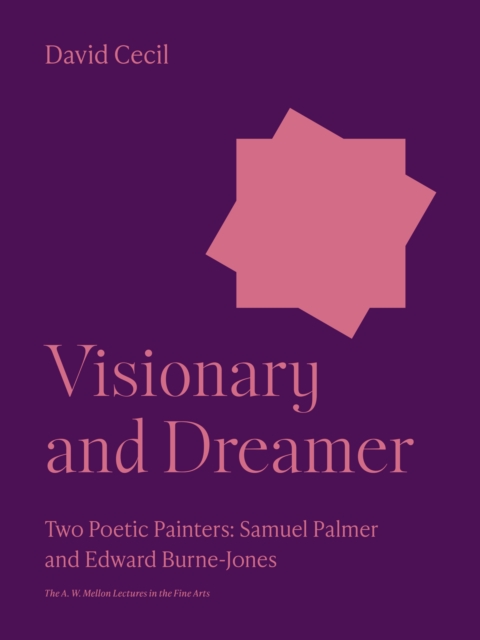
An eminent literary biographer and critic shows how poetry enriched the art of two representative English Romantic paintersIn Visionary and Dreamer, David Cecil evokes the century of the poet-painter, when painting drew much of its inspiration from imaginative literature.
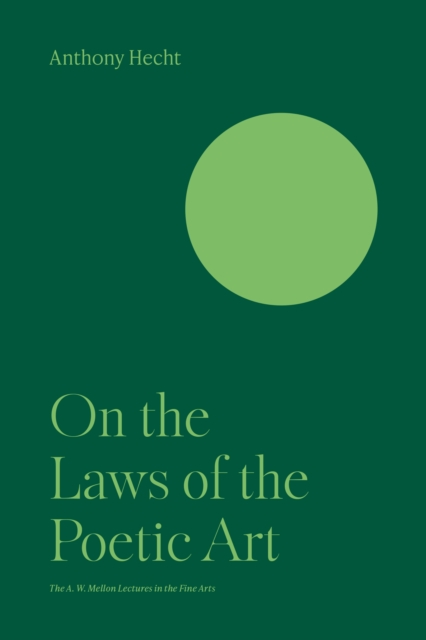
A magisterial exploration of poetry's place in the fine arts by one of the twentieth century's leading poetsIn this book, eminent poet Anthony Hecht explores the art of poetry and its relationship to the other fine arts.
An eminent literary biographer and critic shows how poetry enriched the art of two representative English Romantic paintersIn Visionary and Dreamer, David Cecil evokes the century of the poet-painter, when painting drew much of its inspiration from imaginative literature.
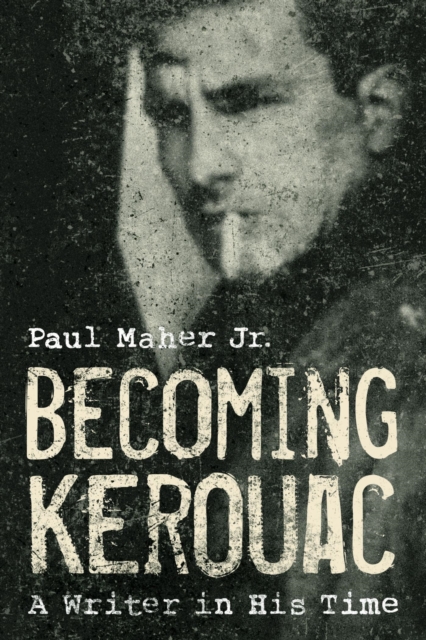
Jack Kerouac was one of America's great writers of the latter half of the 20th century, yet he endured a life characterized by persistent hardship and disillusion.
Jack Kerouac was one of America's great writers of the latter half of the 20th century, yet he endured a life characterized by persistent hardship and disillusion.
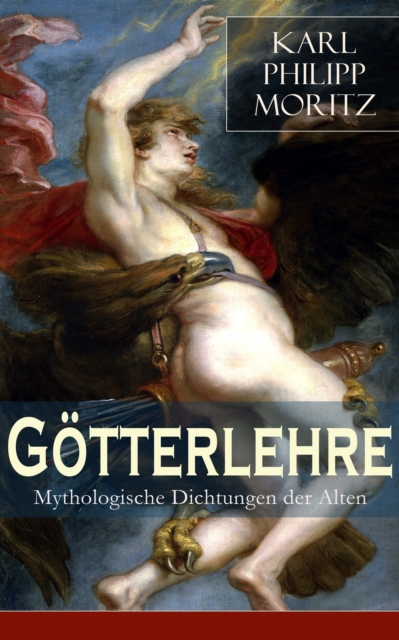
Dieses eBook: "Götterlehre - Mythologische Dichtungen der Alten" ist mit einem detaillierten und dynamischen Inhaltsverzeichnis versehen und wurde sorgfältig korrekturgelesen.
An orphan of eternity in the poets of the people of the times is the most famous and for the authorship of Abu Mansour Al -Thaalabi, which exceeded the eighty book, and the first book in the translations of poets is based on the division of the regions.
The virtue of the ancient Roman civilization and its introduction to the march of human culture cannot be denied; Where the works of the old pioneers of philosophers, thinkers and scholars who wanted in "Athens" and the civilizations of culture were the main motivation of Europe, the Middle Ages that began to renaissance from "Italy" and then "England" and "France" joined the processions of light and civilization, and the two countries flared a good competition for the mental and scientific leadership For centuries, universities were established in which universities were established and scientific research and exploratory trips were funded by those with political favor, and if we talk about the British English model as an example, we find that its university and scientific institutions have provided many and many scientific and intellectual achievements; The British islands were and still is the kiss of students of science and researchers from all countries of the world, and the book in which your hands are monitored in which a group of scholars and thinkers of Egypt monitors British intellectual and scientific life and the foundations of its success and strengths.
The end of the Arabs in the art of literature is a literary encyclopedia accomplished by the Egyptian historian Shihab al -Din al -Nuwairi before the year 721 AH.
From the books of criticism: the rules of poetry by Ahmed bin Yahya, known as Abu Al -Abbas, a fox, 291 AH He was subjected to it, according to his claim, only four, and if we look at these four rules, we will find them to divide grammar closer to the division of poetry.
A book in the language searches in the buildings and meanings of words, which differed, its word and its meaning differed, and what its word is agreed, its meaning differed, and its word differed, and its meaning is agreed.
The Bedaa Al -Bawa'a book enters the circle of attention of specialists in Arabic language sciences and its literature specifically and researchers in relevant issues in general; Where the Bedaa Al -Badha book is part of the scope of language sciences and the documentation of other branches such as poetry, grammatical rules, drainage, literature, rhetoric, and Arabic literature.
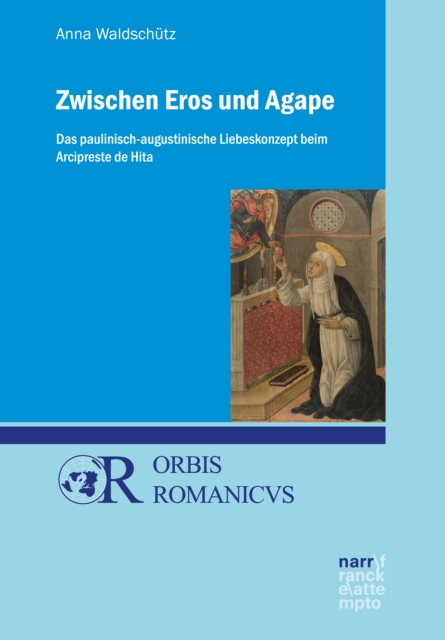
Diese Studie behandelt das Libro de Buen Amor im Horizont der christlichen Theologiegeschichte, wobei der Fokus sowohl auf der neutestamentlichen Exegese und der Patristik als auch auf der abendländischen Begriffsgeschichte von Eros und Agape liegt.
The book focuses on two artistic doctrines that form us in the third century AH, namely: the doctrine of Abi Tammam, who was concerned with deepening meanings, as it was concerned with the good deeds and exaggeration and extravagance in it.
'One of Britain's most celebrated contemporary novelists' Sunday TimesIn this probing series of exclusive interviews, Alistair Owen talks to William Boyd about his works and the life which has inspired them.
The book of the sockets on the explanation of the Diwan of Abi al -Tayyib al -Mutanabi enters the circle of the interest of specialists in Arabic language sciences and its literature in general and researchers in the relevant issues in general; Where the book of the sockets is located on the explanation of the Diwan of Abi al -Tayyib al -Mutanabbi within the scope of the language science and the documentation of the other branches such as poetry, grammatical rules, drainage, literature, rhetoric, and Arabic literature
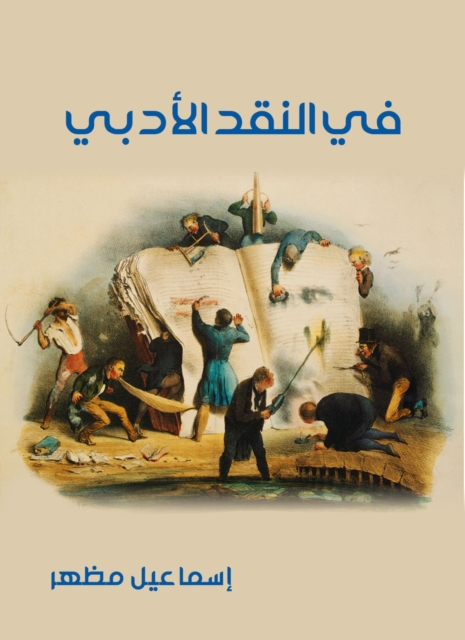
It is a literary analytical critical study, presented by the Egyptian thinker "Ismail Mazhar", in which he deals with the works of a number of great writers and writers of his time, from Arabs and orientalists.
Besides the outstanding literary talent that was for the great writer "Taha Hussein", he was also a significant literary critic, and the owner of a distinguished and important school for literary criticism, I looked at the text an objective scientific view, moved away from the influential school of criticism or the method of psychoanalysis of the personality of the writer; He believed that literary work is a social phenomenon that occurs as a result of the individual's influence on his group, culture and awareness of its problems; Therefore, the criticism of literary work requires a comprehensive reading of the society from which the writer came out, which was done by the Dean of Arabic Literature in this book, where he presented some critical readings for some important literary works of the sake and the wise, in addition to other chapters in which he presented his opinion on some literary and cultural issues that turned into intellectual battles Very sophisticated between him and senior thinkers all aimed to reach the truth.