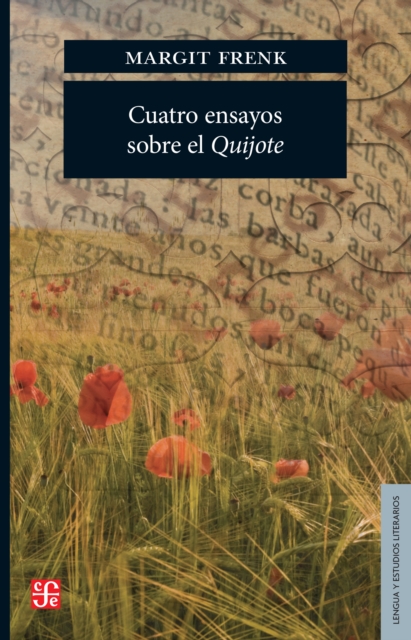
Margit Frenk, la reconocida filologa e hispanista, explora en este libro algunas de las particularidades de la maxima obra cervantina, el Quijote, y le cuestiona sobre algunos temas de suma importancia.
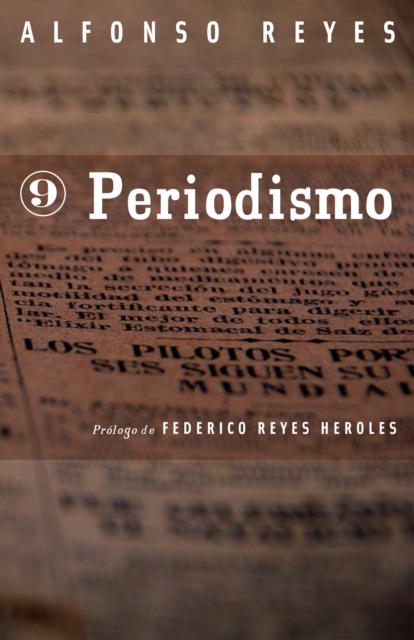
En este el noveno titulo de la coleccion Capilla Alfonsina de Alfonso Reyes, Periodismo, prologado por Federico Reyes Heroles, podemos ver a Reyes preocupado y despreocupado por los devenires de las publicaciones periodicas de la epoca, por sus entregas programadas, por las criticas y resenas de libros, propios y ajenos, que lee en ellos.
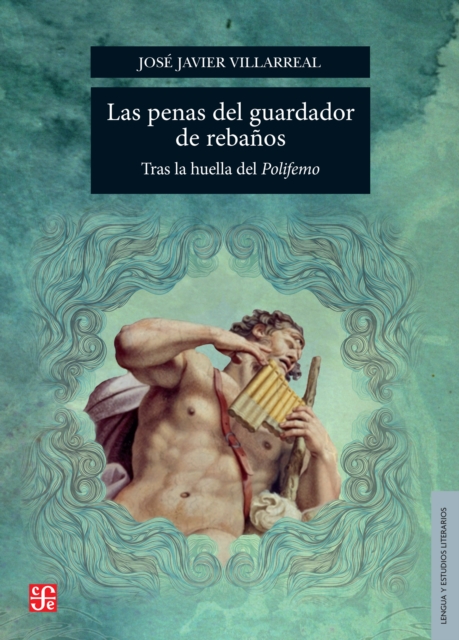
De manera critica y exhaustivamente documentada, Jose Javier Villarreal desarrolla el poderoso influjo estilistico que tuvo La fabula de Polifemo y Galatea de Luis de Gongora, en las herederas de su genero.
El "escritocentrismo" en el que vive el lector contemporáneo le dificulta comprender que la invención de la imprenta, hacia 1440, no acabó de tajo con la antigua práctica de leer en voz alta.
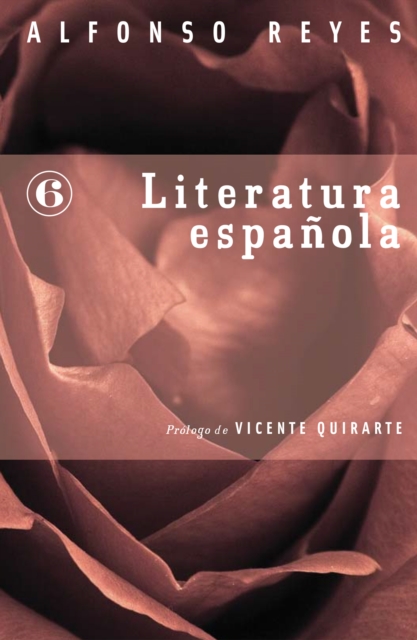
La antología abre con el ensayo "Nuestra lengua" que, en palabras de Vicente Quirarte, "puede ser leído como un homenaje personal a la herramienta que utilizó con tal devoción, lealtad y maestría" y cierra con los útiles "Ejercicios de historia española", concebidos para contribuir a la formación de profesores y como bitácora para cualquier interesado en el tema.
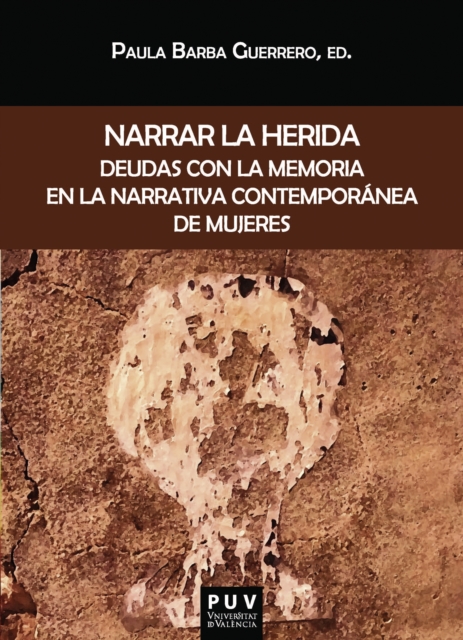
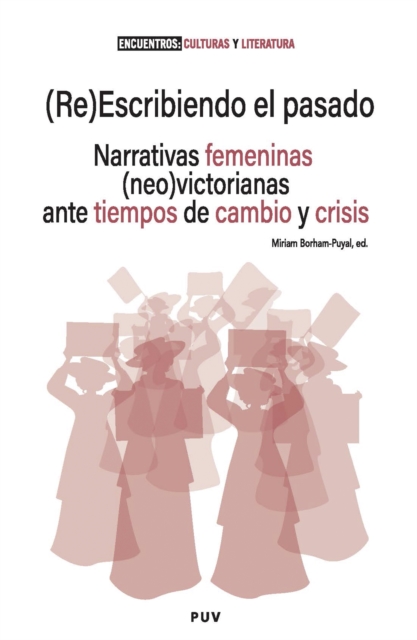
En un contexto de crecientes crisis, la narrativa femenina contemporanea se erige como una herramienta para comprender las diversas formas en que las mujeres abordan, desafian y subvierten las realidades adversas.
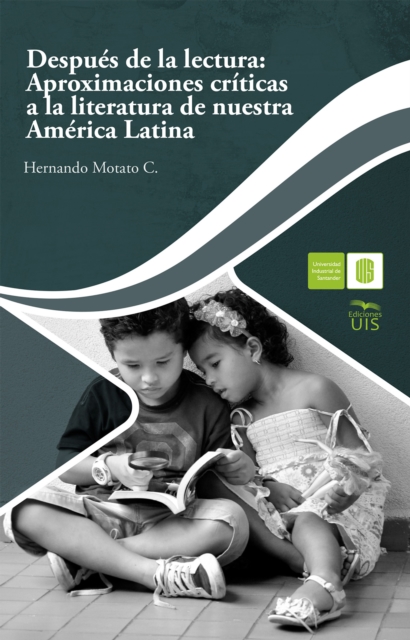
Dividido en una introducción y siete capítulos, este ensayo recorre la historia de la literatura escrita en nuestra tierra desde la "Poesía indígena" hasta "La era crítica" de los siglos XVIII y XIX.
Seguir las corrientes relacionadas con la busqueda de nuestra propia expresion fue el proposito del autor al dar, en la Universidad de Harvard, el ciclo de conferencias que forman el cuerpo de este libro.
Este octavo numero de la coleccion Capilla Alfonsina esta dedicada a aquellos textos que el gran humanista regiomontano dedico al tema de la Literatura Universal.
Leido por Salvador Novo el dia de su ingreso a la Academia Mexicana de la Lengua en 1953 -mismo ano en que fue publicado por vez primera por el FCE-, este ensayo hace una revision deliciosa y amplia de como las aves eran una imagen recurrente en la poesia castellana de los siglos de oro.
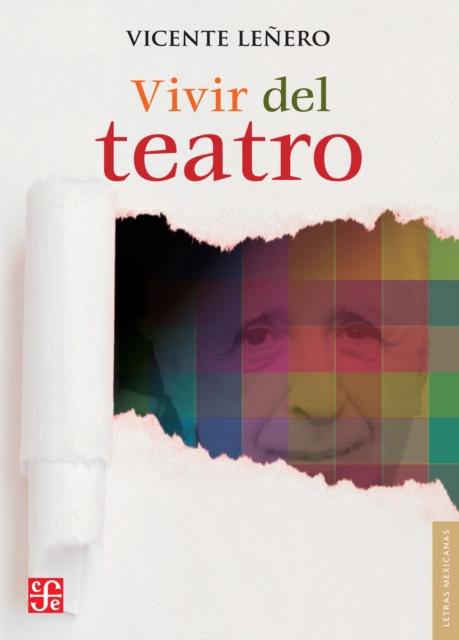
Vivir del teatro compila los ensayos que Vicente Lenero escribio entre 1968 y 2004 en torno al ambiente teatral de las ultimas decadas del siglo XX, en las que fue protagonista y testigo de primer nivel.
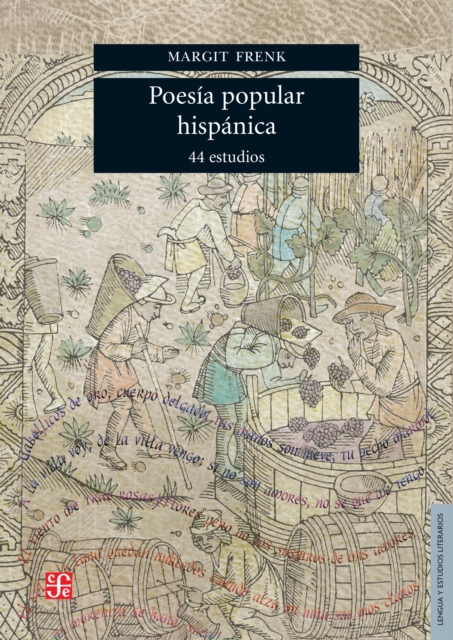
Este trabajo recoge 44 artículos escritos a lo largo de cinco décadas en los que se ofrecen diversas consideraciones en torno a la lírica popular que proliferó en la península ibérica durante la Alta Edad Media.
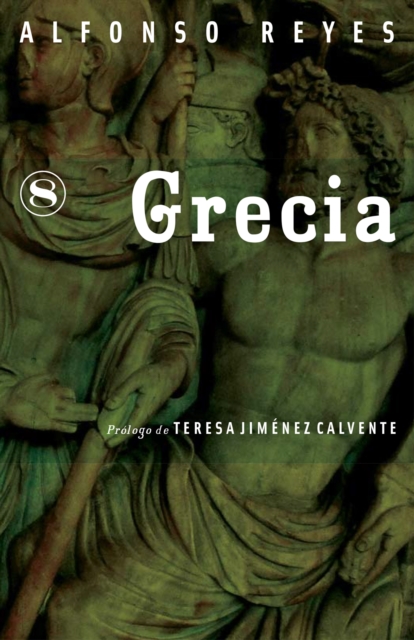
En esta seleccion de escritos, Alfonso Reyes recorre autores clasicos a la vez que aborda el problema del pensamiento occidental en la Grecia antigua; gracias al prologo de Teresa Jimenez Calvente se puede ahondar mas en los motivos y razones que propiciaron el amor de Reyes por el mundo helenico y por explorar y dar a conocer los clasicos a partir de tres perspectivas: la del erudito helenista, la del lector aficionado y la del historiador literario.
En el notable prólogo a El otro, el mismo, Jorge Luis Borges—ponderando el arte del escritor— destaca «no la sencillez, que no es nada, sino la modesta y secreta complejidad».
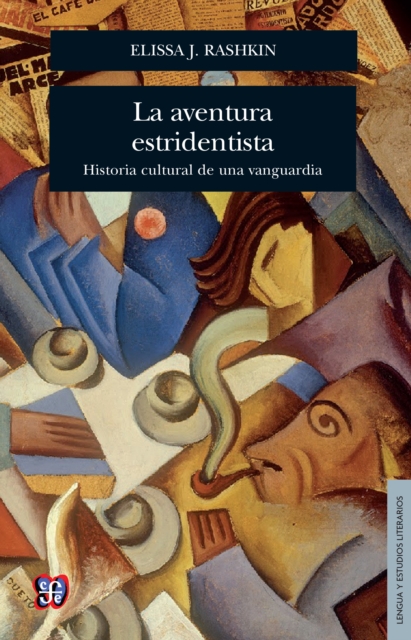
El estridentismo fue un movimiento artistico surgido en Mexico en 1921 y liderado por el poeta Manuel Maples Arce; en el confluyeron tanto literatos, como pintores y artistas plasticos, en un verdadero frente cultural multidisciplinario.
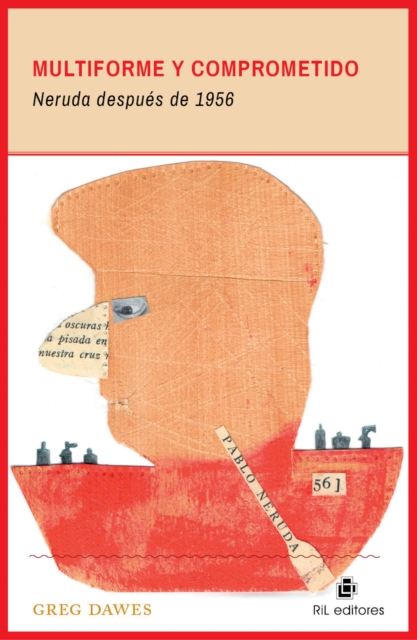
Este libro sostiene que, si bien hay una continuidad en la poesía de Pablo Neruda después de 1956 con respecto a su obra anterior, también hay una discontinuidad.
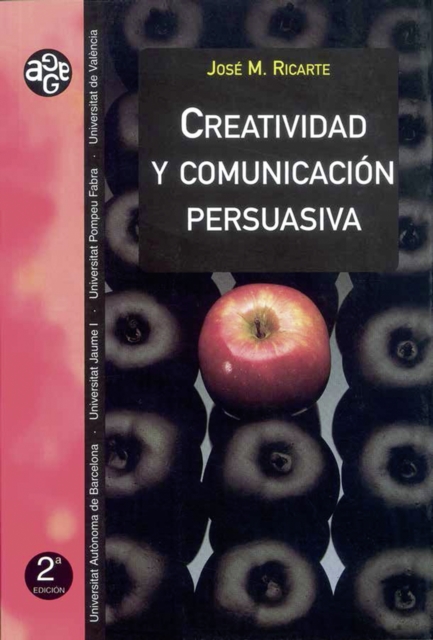
Analisis del pensamiento creativo desde la perspectiva de que comprender y aprehender el proceso de creacion es imprescindible para todas aquellas personas que se interesen por la comunicacion persuasiva en y desde cualquier tipo de organizacion.
Este volumen analiza la creacion literaria de las mujeres durante el largo siglo XIX y su legado contemporaneo, que evidencia las solidas redes de conocimiento y creacion que se establecen entre las escritoras, incluso rompiendo la barrera temporal con los siglos XX y XXI, con la finalidad de establecer dialogos a traves del tiempo que sigan haciendo avanzar la agenda feminista.
"Estrellas de tinta" nos invita a reflexionar sobre la íntima relación entre la astrología y la literatura, explorando cómo los signos zodiacales de célebres escritores influyen en sus obras y en su percepción del mundo.
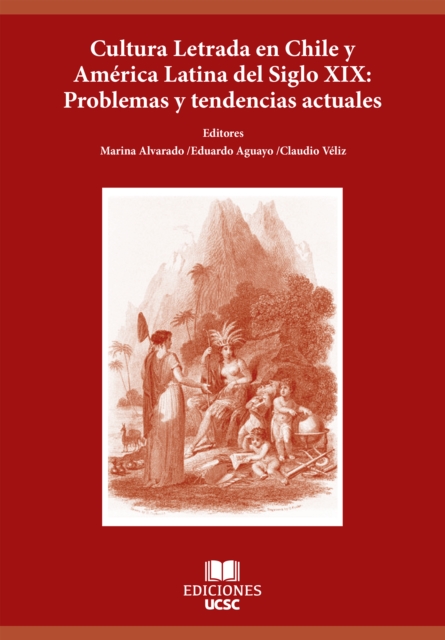
Cultura letrada del Siglo XIX en Chile y Latinoamérica: problemas y tendencias actuales, reúne nueve ensayos que ofrecen, tanto a lectores expertos como a no especialistas, múltiples entradas analítico-interpretativas para abordar una heterogénea constelación de temas y problemas sobre el siglo XIX chileno y latinoamericano desde una mirada rigurosa y actual.
Con la creciente curiosidad con la que atravesamos un jardin salvaje, avanzamos en su lectura para descubrir, a bocajarro, nuestra propia casa patas arriba.
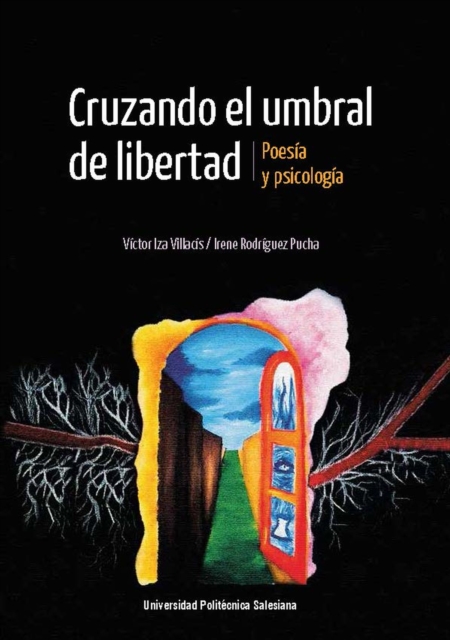
"Este libro se enfoca en un recorrido poético con una estructura psico-filosofal, adentrándonos en dimensiones como la vida, la espiritualidad, el amor y la lucha social.
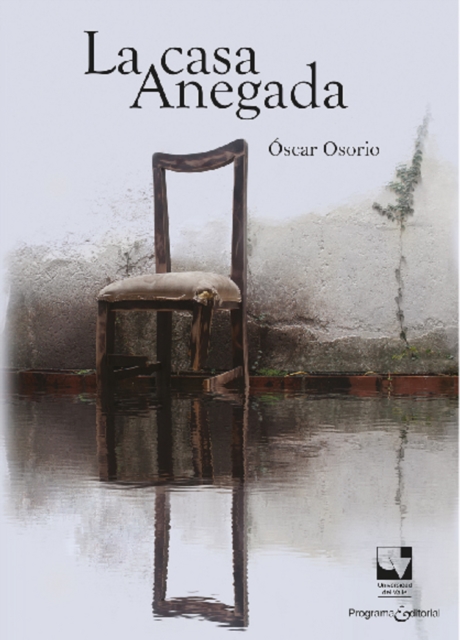
Los siete cuentos que componen La casa anegada hacen una inmersion en la vida del colombiano promedio, con sus avatares y desafios, sus habitos y respuestas.
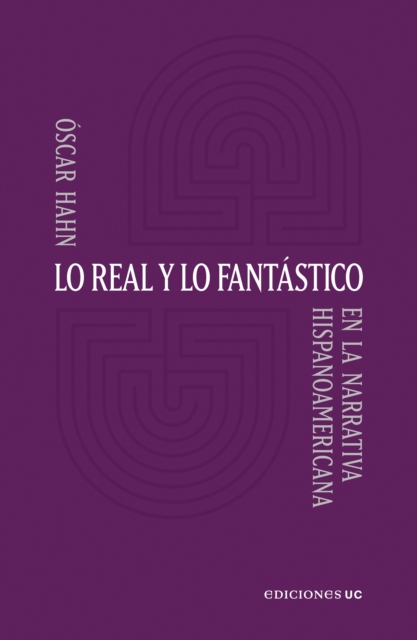
Borges dice que la literatura refleja experiencias fundamentales y que el escritor, para expresarlas, puede recurrir libremente a lo real y a lo fantastico.
Mi mente ha lavado a esos antepasados, les ha secado la cara, los ha peinado, los ha vestido con ropas limpias, los ha alejado de las bodegas de los barcos y de la perspectiva del trabajo diario en los cañaverales.
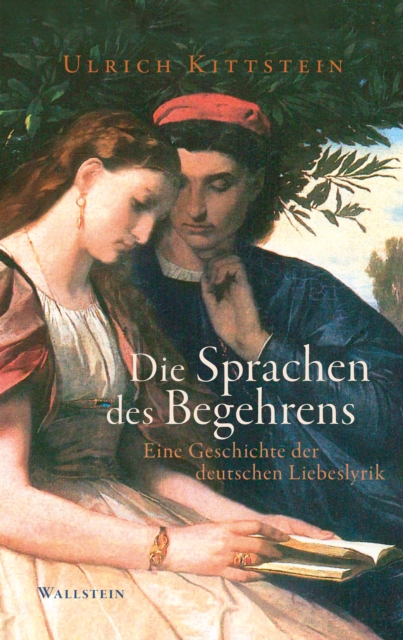
Kittsteins eingehende Betrachtung von Gedichten vom Minnesang bis in die Moderne zeigt die Vielfalt einer faszinierenden Gattung in ihren kulturgeschichtlichen Kontexten.
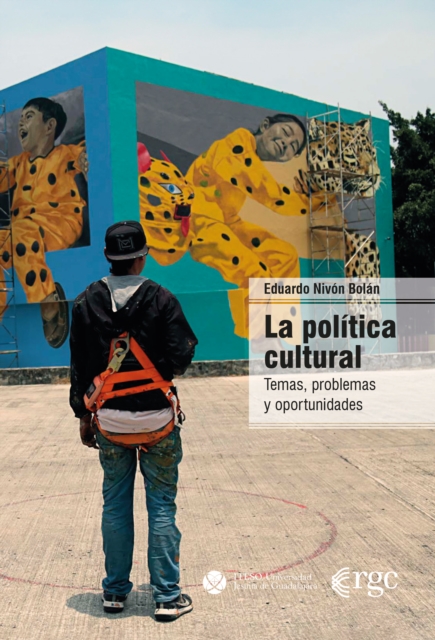
Este libro clasico y fundamental sobre las politicas culturales ha sido una referencia central en los estudios e investigaciones sobre esta tematica en America Latina durante los ultimos 20 anos.
El título recrea la idea de Nuestra América, que el poeta cubano José Martí funda para el análisis político y social de la independencia de algunos países de América Latina.
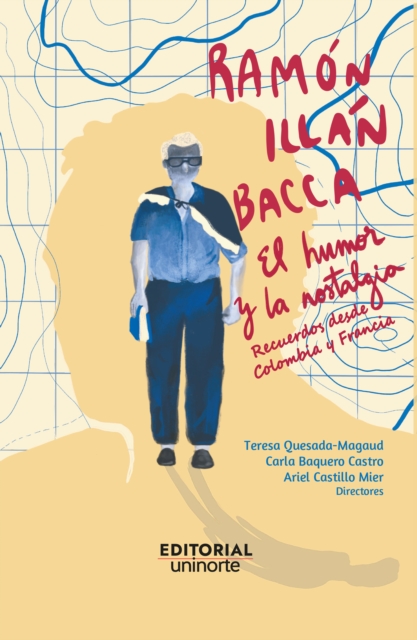
La ausencia del escritor Ramon Illan Bacca ha dejado entre sus amigos y lectores una profunda nostalgia, asi como el animo de comprender su vida y su obra.
The name Marquis de Sade conjures images of scandal and perversion, but behind the excesses lies a profound thinker whose writings continue to provoke and challenge.
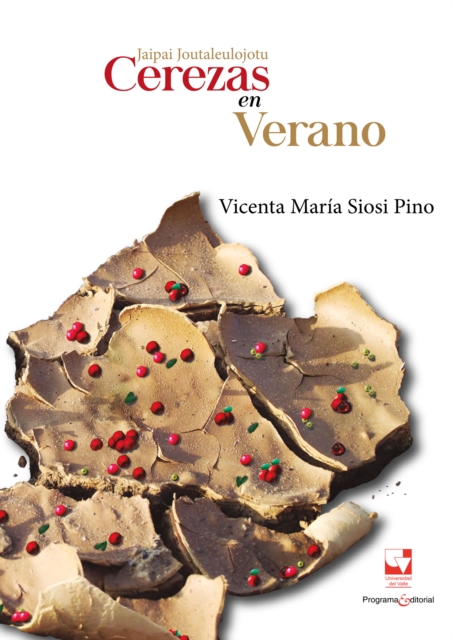
Heredera de la riquísima tradición oral wayuu -pero también de una tradición literaria escrita prácticamente desconocida en Colombia- Vicenta María Siosi Pino a través de los nueve relatos que componen Jaipai joutaleulojotu-Cerezas en verano nos muestra la cotidianidad de la dimensión mística, las duras condiciones de vida y los conflictos internos en la sociedad wayuu.
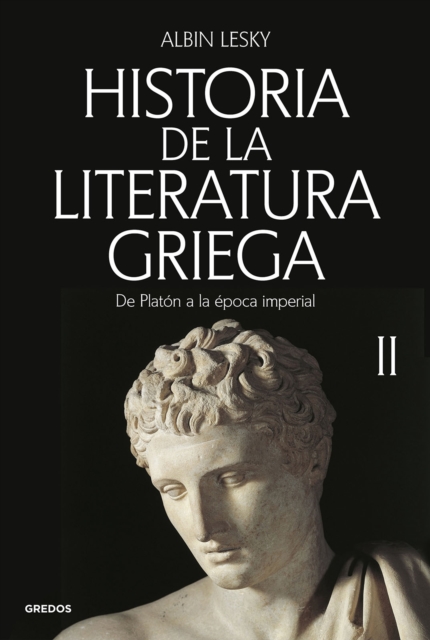
SEGUNDO VOLUMEN DE LA MEJOR HISTORIA DE LA LITERATURA GRIEGA Desde su publicación original, la Historia de la literatura griega, de Albin Lesky, marcó un hito en el estudio de la cultura de la Antigüedad.