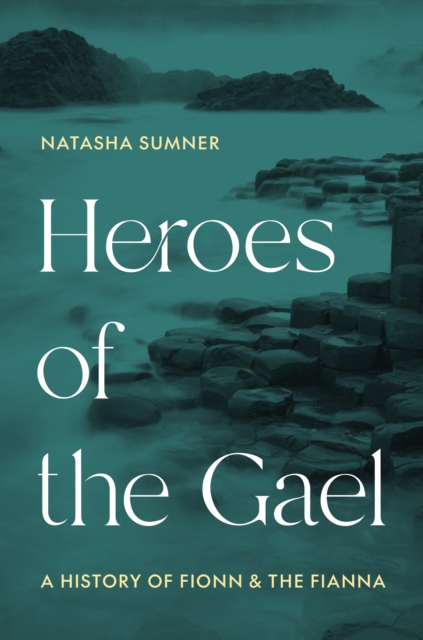
The evolution of the Fenian tradition of story and song, traced over 1,400 yearsStories about Fionn macCumhaill (also known as Finn McCool) and his roving warrior band, the Fianna, have engaged audiences for more than a millennium.
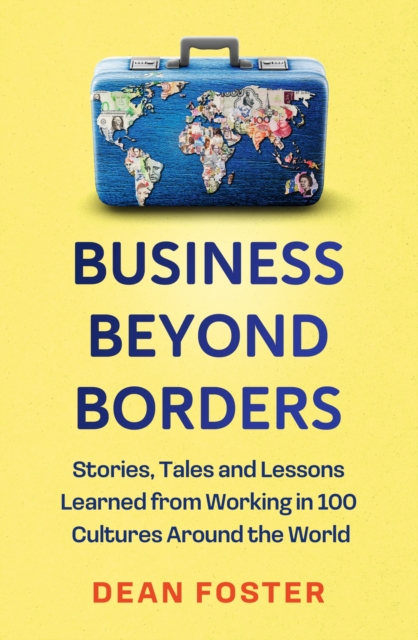
*** WINNER OF THE GOODY BUSINESS BOOK AWARD FOR BUSINESS, TRAVEL AND HOSPITALITY ****** LONGLISTED FOR THE NON-OBVIOUS BOOK AWARDS ****** AXIOM BUSINESS BOOK AWARD BRONZE WINNER, BUSINESS STORIES & FABLES ***INTRODUCING 25 REAL-LIFE STORIES THAT REVEAL THE RULES FOR WORKING SUCCESSFULLY ACROSS CULTURESThere is no excuse for cultural ignorance in the 21st century.
Sprachkraft, eng verwandt mit der Einbildungskraft, wird von Meuthen in Auseinandersetzung mit Meisterwerken allegorischer und ironischer Sprachgestaltung untersucht.
Silvio Vietta stellt erstmals die europäische Literatur von der Antike bis zur Gegenwart in die Zusammenhänge einer Funktionsgeschichte, die quer zur Epochen- und Gattungsgeschichte sowie zu den Nationalphilologien liegt.
En esta conversación inspiradora y llena de complicidad, Annie Ernaux y Rose-Marie Lagrave exponen una reflexión común sobre sus obras, su evolución feminista, el concepto de clase social y las transformaciones producidas en Europa desde la segunda mitad del siglo XX.
Mit dem Rezensionsautomaten CENSEO, der im Literaturseminar der Hochschule für Gestaltung Karlsruhe unter der Leitung von Stephan Krass entwickelt wurde, steht erstmals ein Modus der Literaturkritik zur Verfügung, der allein auf dem Verfahren automatisierter Texterzeugung beruht.
Este libro presenta estudios paradigmaticos sobre los pueblos kolla, omaguaca, aymara, guarani, diaguita, calchaqui, toba-qom y mapuche, que habitan en la Argentina en comunidades rurales o bien como originarios urbanos en la metropoli de Buenos Aires y las comunidades originarias de Chiapas (Mexico).
Der traditionell behauptete Gattungsunterschied von wahrheitsorientierter philosophischer Prosa und fiktionaler Literatur stellt sich nicht zuletzt dann als problematisch heraus, wenn Formen des Denkens und Erkennens aus der Betrachtung herausfallen, die sich keinem der beiden Modelle zuordnen lassen.
Dass Kritik nach dem Ende der großen Geschichte(n) weder als Lehre noch als Aufklärung, sondern als Reflexiv- und Problematisch-Werden von Entscheidungsprozeduren und Urteilsformen gedacht werden kann, souffliert Alexander Kluges Kunst- und Medienarbeit seit den frühen 60er-Jahren.
Mit Beiträgen von Peter Berz, Lars Denicke, Beatrice Gründler, Friedrich Kittler, Ludwig Morenz, Barry Powell, Oliver Primavesi, Joachim Schaper, Gerhard Scharbert, Joulia Strauss, Peter Weibel, Siegfried Zielinski.
Brillante representante del conjunto de filologos alemanes dedicados al estudio de los clasicos, Ernst Bickel tiene entre sus mayores logros la Historia de la literatura romana.
Schon zu Lebzeiten galt der französische Schriftsteller und Ethnologe Michel Leiris (1901-1990) als Innovator und Klassiker der Autobiographiegeschichte.
Die Republik Slowenien, seit 2004 ein Mitgliedsstaat der Europäischen Union, umfasst Gebiete, die bis zum Ende des Ersten Weltkriegs zur Habsburgermonarchie gehörten.
Die Kultur des Gehens entwickelt sich parallel zur mechanisierten Fortbewegung in Eisenbahn und Automobil und knüpft an die alte Tradition an, die zwischen Gehen, Denken und Schreiben Korrespondenzen entdeckt.
Die Urkatastrophe des Ersten Weltkriegs brachte das "Wert-Vakuum" (Hermann Broch) zum Vorschein, in dem sich eine spezifisch literarische Ethik ausbildete.
Das Erzählen in frühen Hochkulturen führt in seinem zweiten Band "Eine Archäologie der narrativen Sinnbildung" die bereits im Vorgängerband "Der Fall Ägypten" gestellten Fragen zu den Bedingungen des Erzählens in einer frühen Hochkultur nun im interdisziplinären Kontext fort.