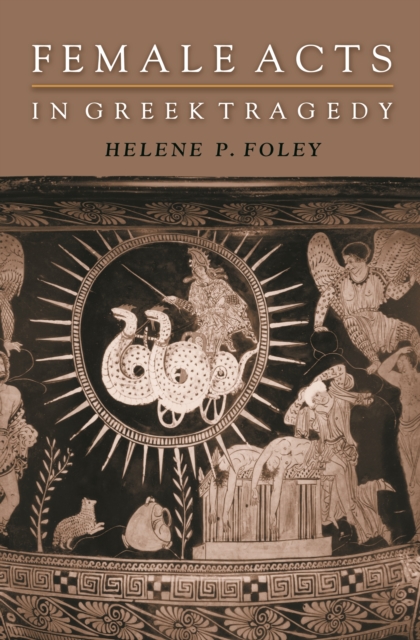
Although Classical Athenian ideology did not permit women to exercise legal, economic, and social autonomy, the tragedies of Aeschylus, Sophocles, and Euripides often represent them as influential social and moral forces in their own right.
Shakespeare in Autumn: Select Plays and the Complete Sonnets, by William Shakespeare, the greatest writer in the English language, is available in a fine exclusive collector's edition featuring a laser-cut jacket on a textured book with foil stamping, making it ideal for fiction lovers and book collectors alike.
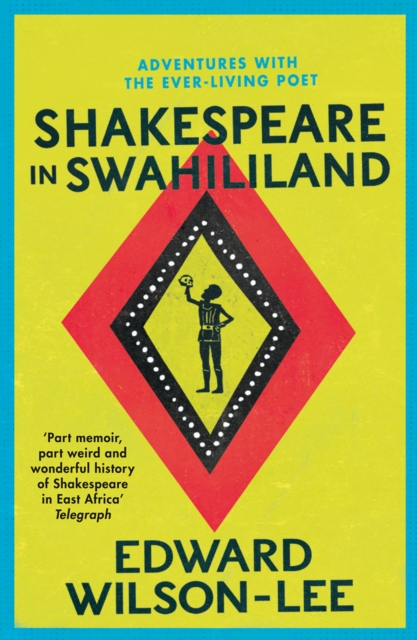
Investigating the literary culture of the early interaction between European countries and East Africa, Edward Wilson-Lee uncovers an extraordinary sequence of stories in which explorers, railway labourers, decadent emigres, freedom fighters, and pioneering African leaders made Shakespeare their own in this alien land.
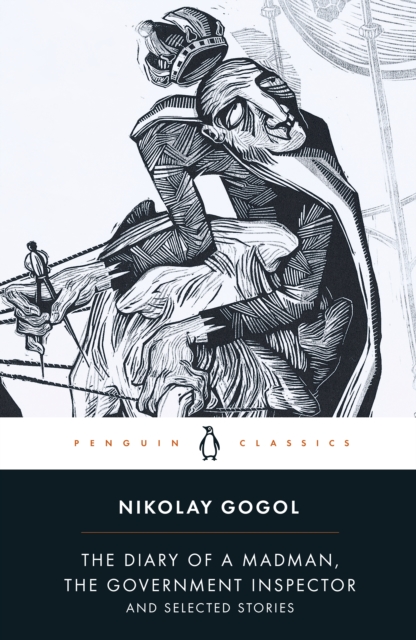
Author, dramatist and satirist, Nikolay Gogol (1809-1852) deeply influenced later Russian literature with his powerful depictions of a society dominated by petty beaurocracy and base corruption.
Friedrich Schillers Drama Wallenstein entführt die Leser in die turbulente Zeit des Dreißigjährigen Krieges und beleuchtet den Aufstieg und Fall des historischen Feldherrn Albrecht von Wallenstein.
The greatest sonnets ever written, by the greatest poet and playwright in the English language--now in a handsome edition featuring exquisite color illustrations.
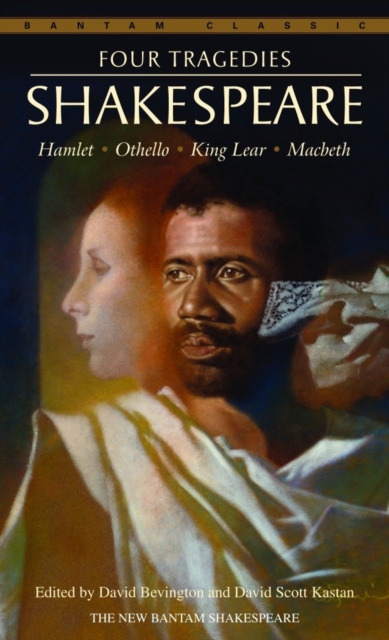
Hamlet One of the most famous plays of all time, the compelling tragedy of the young prince of Denmark who must reconcile his longing for oblivion with his duty to avenge his father’s murder is one of Shakespeare’s greatest works.
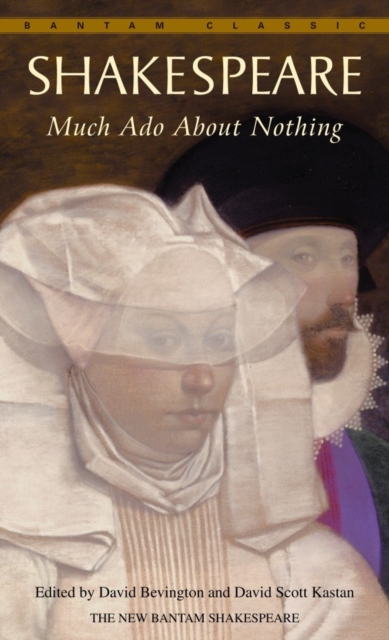
Set in a courtly world of masked revels and dances, this play turns on the archetypal story of a lady falsely accused of unfaithfulness, spurned by her bridegroom, and finally vindicated and reunited with him.
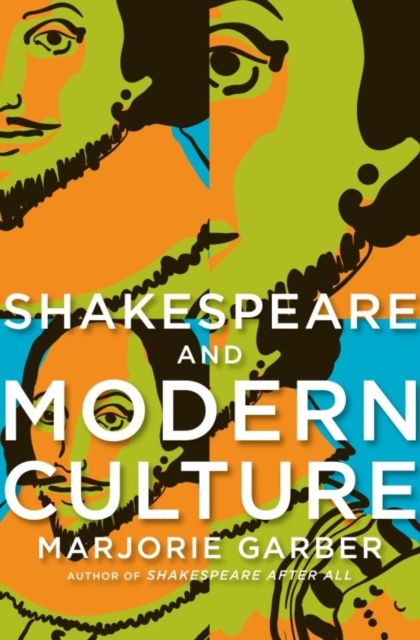
From one of the world''s premier Shakespeare scholars comes a magisterial new study whose premise is "that Shakespeare makes modern culture and that modern culture makes Shakespeare.
An award-winning scholar and teacher explores how Shakespeare's greatest characters were built on a learned sense of empathyWhile exploring Shakespeare's plays with her students, Paula Marantz Cohen discovered that teaching and discussing his plays unlocked a surprising sense of compassion in the classroom.
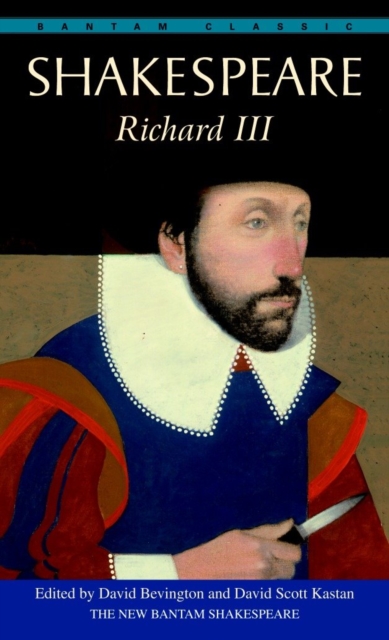
Treacherous, power-hungry, untempered by moral restraint, and embittered by physical deformity, Richard, the younger brother of King Edward IV, is ablaze with ambition to take England’s throne.
In this lively comedy of love and money in sixteenth-century Venice, Bassanio wants to impress the wealthy heiress Portia but lacks the necessary funds.
In one of Shakespeare’s bawdier comedies, contemporary audiences still take great pleasure in the rapid-fire verbal battles between the shrewish Katharina and the canny Petruchio, determined to subdue Katharina’s legendary temper and win her dowry.
King Lear, one of Shakespeare's darkest and most savage plays, tells the story of the foolish and Job-like Lear, who divides his kingdom, as he does his affections, according to vanity and whim.
Readers of Shakespeare’s greatest tragedies have long noted the absence of readily explainable motivations for some of Shakespeare’s greatest characters: why does Hamlet delay his revenge for so long?
Renowned poet and acclaimed translator Charles Martin faithfully captures Euripides's dramatic tone and style in this searing tale of revenge and sacrifice.
Arthur Miller's play A View from the Bridge is a tragic masterpiece of the inexorable unravelling of a man, set in a close-knit Italian-American community in 1950s New York.