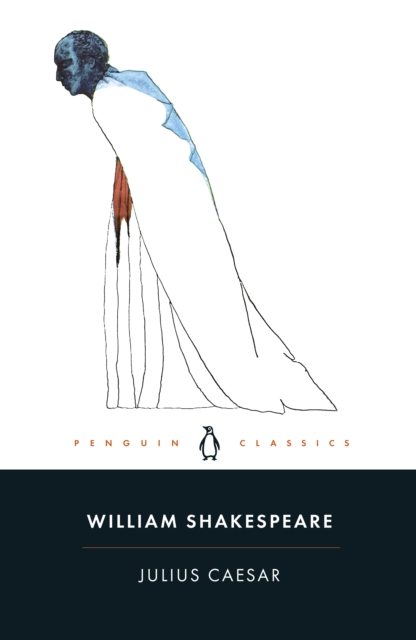
'Cry havoc and let slip the dogs of war, That this foul deed shall smell above the earth With carrion men, groaning for burial'Fearful that Caesar will become a tyrant, his friends plot to assassinate him in order to save Rome.
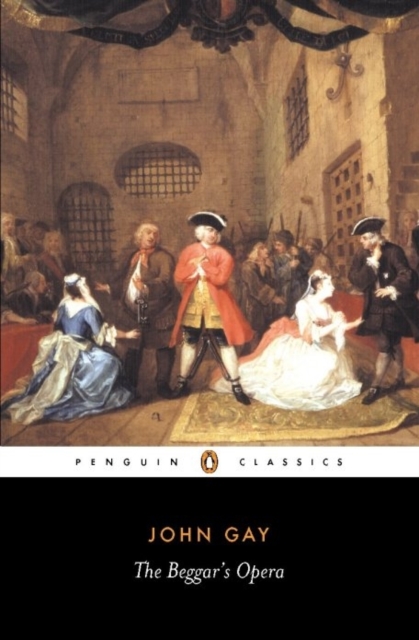
The tale of Peachum, thief-taker and informer, conspiring to send the dashing and promiscuous highwayman Macheath to the gallows, became the theatrical sensation of the eighteenth century.
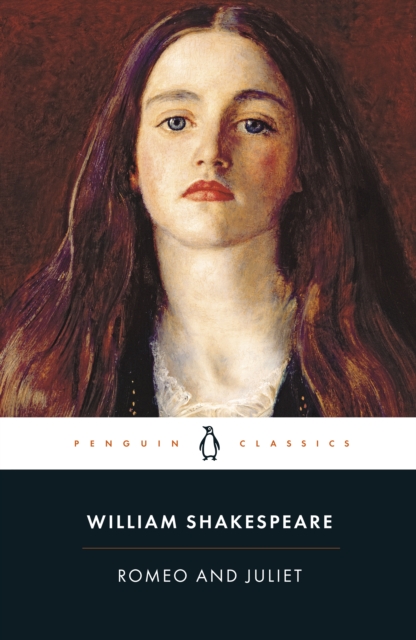
'Shakespeare invented the human as we continue to know it' Harold BloomSet in a city torn apart by feuds and gang warfare, Shakespeare's immortal drama tells the story of star-crossed lovers, rival dynasties and bloody revenge.
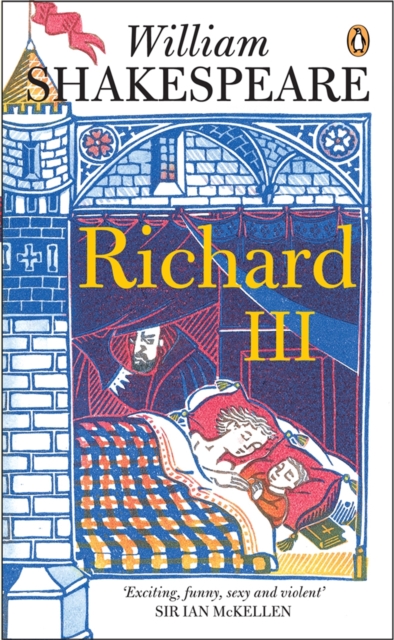
'Now is the winter of our discontent Made glorious summer by this sun of York'Shakespeare's final drama of the Wars of the Roses cycle begins as the dust settles on England after bloody civil war, and the bitter hunchback Richard, brother of the king, secretly plots to seize the throne.
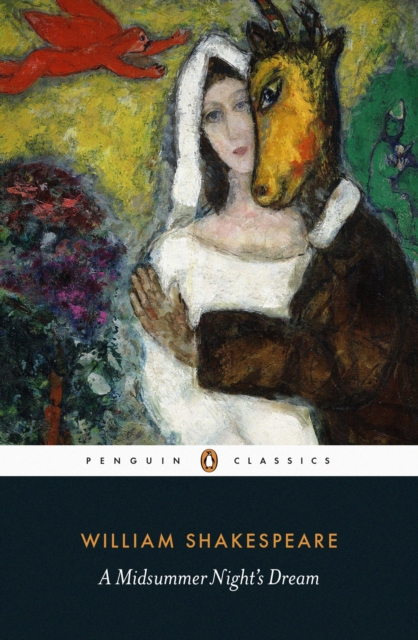
'He could mingle sublimity with pathos, bitterness with joy and peace and love' Aldous HuxleyIn one of Shakespeare's most perennially popular comedies a young woman, Hermia, flees ancient Athens with her lover, only to be pursued by her would-be husband and her best friend.
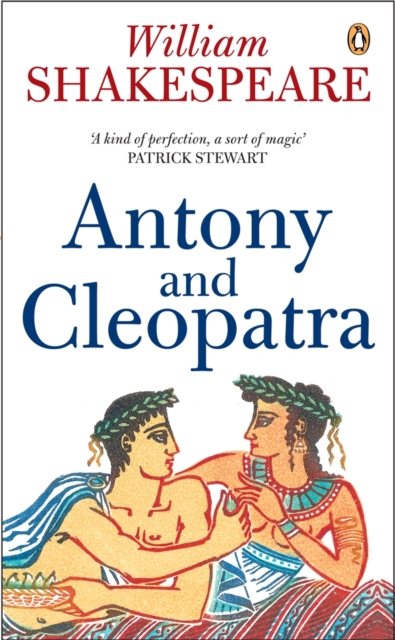
'Shakespeare's play is death-haunted from the start, and its self-glorifying lovers exist in a dream of passion' GuardianA battle-hardened soldier, Antony is one of the three leaders of the Roman world.
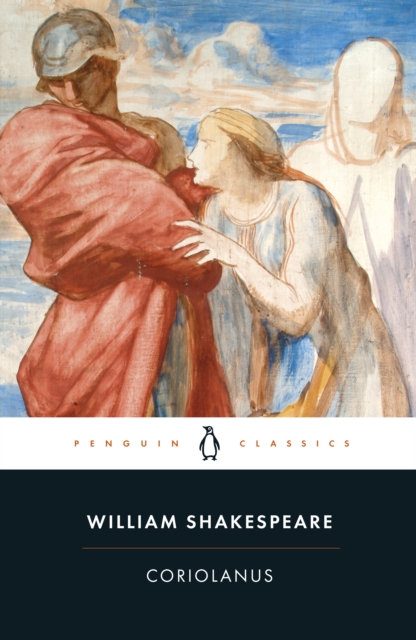
'Unable to rely on heaven, we look to Shakespeare as a contemporary conscience' Peter ConradCoriolanus, a famed warrior turned politician, is driven from Rome as a traitor when he arrogantly speaks out against popular rule and loses the good will of the starving people.
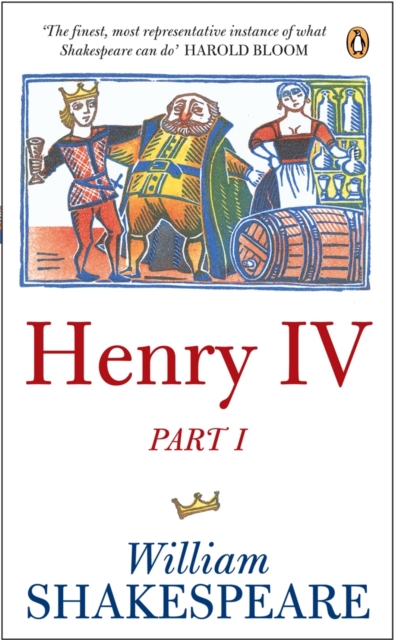
'The finest, most representative instance of what Shakespeare can do' Harold BloomPrince Hal, the son of King Henry IV, spends his time in idle pleasure with dissolute friends, among them the roguish Sir John Falstaff.
'After God, Shakespeare has created most' Alexandre DumasTwo sets of identical twins, separated at sea as babies, find themselves in the same city for the first time as adults.
'I pity the man who cannot enjoy Shakespeare' George Bernard ShawThe beautiful and witty Katherina has sworn never to accept the demands of any would-be husband.
The three plays collected in this volume demonstrate Sheridan's unerring ability to create unrivalled comedy out of ingenious plots, witty repartee, farcical situations and flamboyant characters.
Lady Windermere's Fan/Salom /A Woman of No Importance/An Ideal Husband/A Florentine Tragedy/The Importance of Being Earnest'To lose one parent may be regarded as a misfortune; to lose both looks like carelessness'The Importance of Being Earnest is a glorious comedy of mistaken identity, which ridicules codes of propriety and etiquette.
Strongly influenced by Classical drama, Jean Racine (1639-99) broke away from the grandiose theatricality of baroque drama to create works of intense psychological realism, with characters manipulated by cruel and vengeful gods.
Friedrich Schiller (1759-1805) was one of the most influential of all playwrights, the author of deeply moving dramas that explored human fears, desires and ideals.
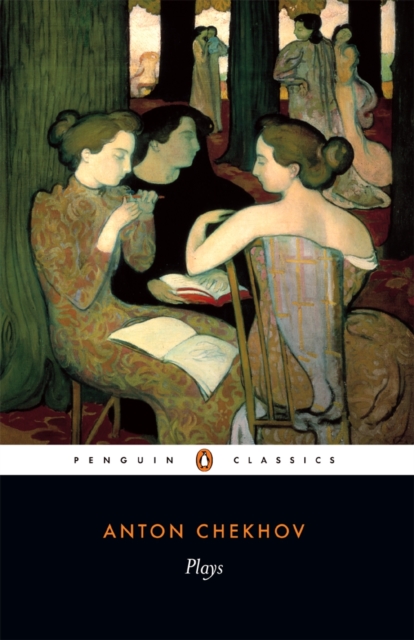
At a time when the Russian theatre was dominated by formulaic melodramas and farces, Chekhov created a new sort of drama that laid bare the everyday lives, loves and yearnings of ordinary people.
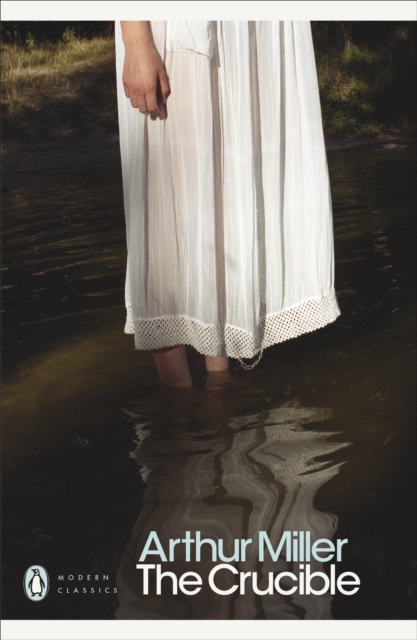
Arthur Miller's classic parable of mass hysteria draws a chilling parallel between the Salem witch-hunt of 1692 - 'one of the strangest and most awful chapters in human history' - and the McCarthyism which gripped America in the 1950s.
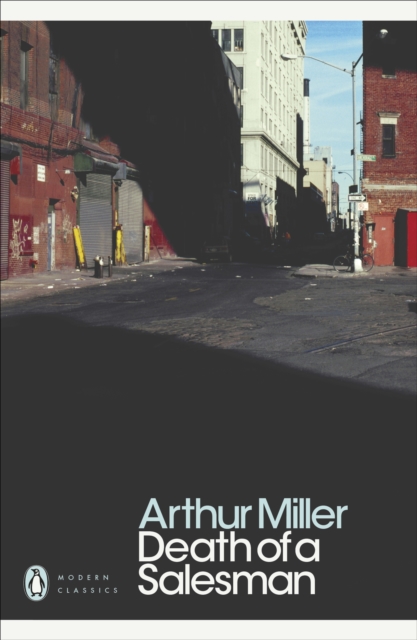
Arthur Miller's extraordinary masterpiece, Death of a Salesman changed the course of modern theatre, and has lost none of its power as an examination of American life.
'The most perfect specimen of the dramatic art existing in the world' Percy Bysshe ShelleyShakespeare's bleak and brutal tragedy begins when an ageing king, seeking a successor, rejects the young daughter who loves him and misplaces his trust in her malevolent sisters.
'This is tragedy naked, godless and unredeemed' Kenneth TynanAn embittered Roman general returns from war, having captured the Queen of the Goths and her three sons.
Heinrich von Kleist stand als "Außenseiter im literarischen Leben seiner Zeit jenseits der etablierten Lager" und der Literaturepochen der Weimarer Klassik und der Romantik.
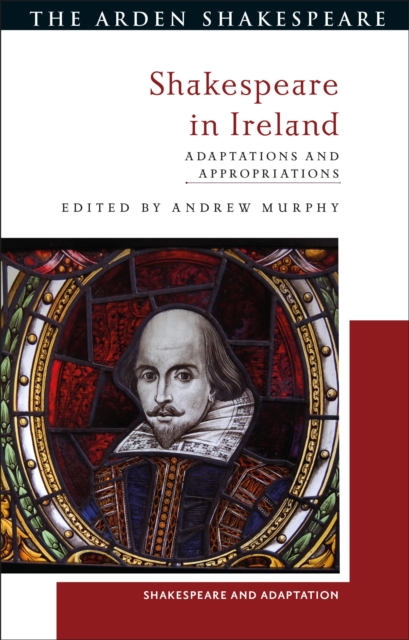
Through a selection of essays from a variety of scholarly voices, this volume maps the various ways in which Shakespeare has been adapted, adopted and appropriated in Ireland from the late 17th century through to the present day.
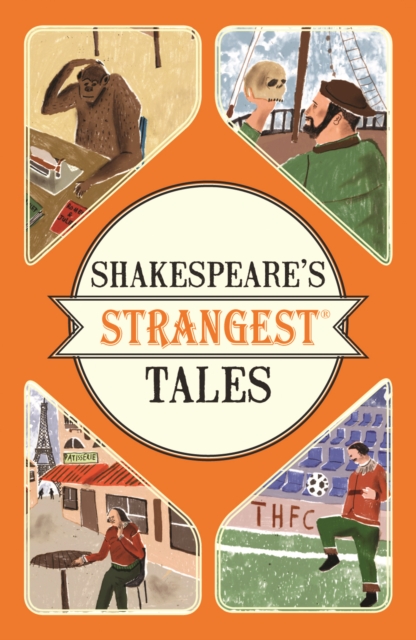
A fascinating playbill of stories from the weird and wonderful world of Shakespearean theatre through the centuries, including distinguished actors falling off stages, fluffed lines, performances in the dark, and why you must never, ever say the name of that Scottish play, especially if you are Peter O'Toole.
Eight early plays by Goethe that revolutionized German dramaGoethe's early plays bear witness to his urgent desire to enliven German theater, an ambition that followed him to the National Theater in Weimar, where he was named director in the early 1790s.
Five enduring works that demonstrate Goethe's mastery of poetic form and engagement with neoclassical idealsThis volume presents the four plays and the narrative poem that, along with Faust, established Goethe as one of the masters of European verse drama and epic.
Eight early plays by Goethe that revolutionized German dramaGoethe's early plays bear witness to his urgent desire to enliven German theater, an ambition that followed him to the National Theater in Weimar, where he was named director in the early 1790s.
Five enduring works that demonstrate Goethe's mastery of poetic form and engagement with neoclassical idealsThis volume presents the four plays and the narrative poem that, along with Faust, established Goethe as one of the masters of European verse drama and epic.
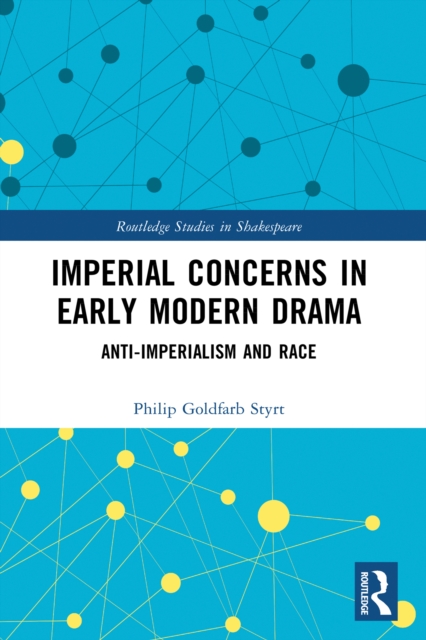
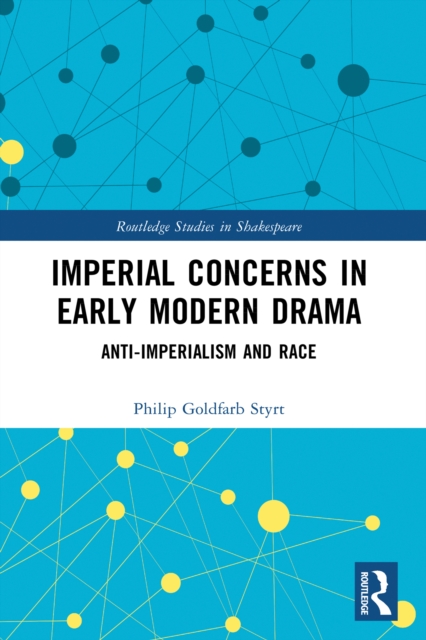
Imperial Concerns in Early Modern Drama: Anti-Imperialism and Race offers a compelling reassessment of how major Renaissance playwrights, including William Shakespeare, engaged with early discourses of empire.
Imperial Concerns in Early Modern Drama: Anti-Imperialism and Race offers a compelling reassessment of how major Renaissance playwrights, including William Shakespeare, engaged with early discourses of empire.