The Oxford Handbooks to Shakespeare are designed to record past and present investigations and renewed and revised judgments by both familiar and younger Shakespeare specialists.
The Oxford Handbooks to Shakespeare are designed to record past and present investigations and renewed and revised judgments by both familiar and younger Shakespeare specialists.
This volume presents a winning selection of the very best essays from the long and distinguished career of Stanley Wells, one of the most well-known and respected Shakespeare scholars in the world.
This volume presents a winning selection of the very best essays from the long and distinguished career of Stanley Wells, one of the most well-known and respected Shakespeare scholars in the world.
Tragedy, including grief, pain and suffering, is a common theme in Shakespeare's plays, often leading to the death of at least one character, if not several.
Tragedy, including grief, pain and suffering, is a common theme in Shakespeare's plays, often leading to the death of at least one character, if not several.
No Hamlets is the first critical account of the role of Shakespeare in the intellectual tradition of the political right in Germany from the founding of the Empire in 1871 to the 'Bonn Republic' of the Cold War era.
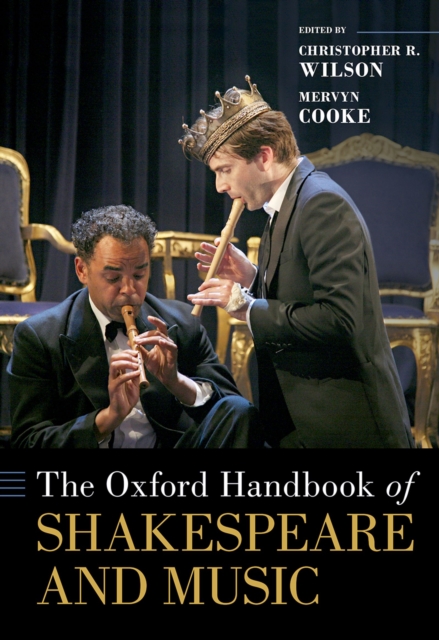
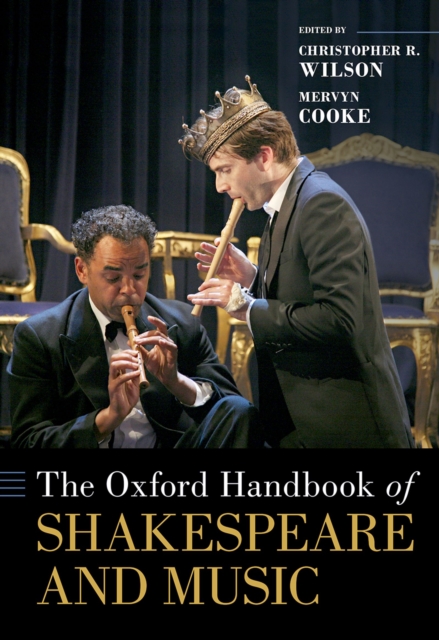
The Oxford Handbook of Shakespeare and Music showcases the latest international research into the captivating and vast subject of the many uses of music in relation to Shakespeare's plays and poems, extending from the Bard's own time to the present day.
The Oxford Handbook of Shakespeare and Music showcases the latest international research into the captivating and vast subject of the many uses of music in relation to Shakespeare's plays and poems, extending from the Bard's own time to the present day.
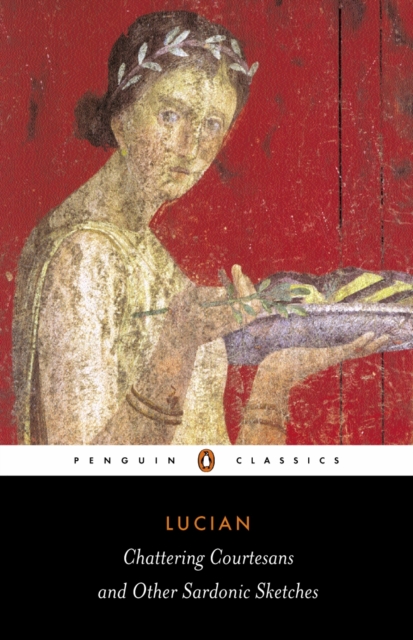
Described by a later Greek historian as "e;a man seriously committed to raising a laugh"e;, Lucian exulted in the exposure of absurdity and the puncturing of pretension, and was capable of finding a comic angle on almost any subject.
Henry VI Part III is the third of William Shakespeare's plays set during the lifetime of King Henry VI of England, and prepares the ground for one of his best-known and most controversial plays: the tragedy of King Richard III (Richard III of England).
'Shakespeare was not of an age, but for all time' Ben Jonson A poor doctor's daughter cures the King of France and, in return, is promised marriage to any nobleman she wishes.
Heracles/ Iphigenia Among the Taurians/ Helen/ Ion/ Cyclops: Of these plays, only 'Heracles' truly belongs in the tragic sphere with its presentation of underserved suffering and divine malignity.
Under the rule of King John, England is forced into war when the French challenge the legitimacy of John's claim to the throne and determine to install his nephew Arthur in his place.
One of the greatest playwrights of Ancient Greece, the works of Euripides (484-406 BC) were revolutionary in their depiction of tragic events caused by flawed humanity, and in their use of the gods as symbols of human nature.
This selection comprises: "e;THE ADMIRABLE BASHVILLE"e; "e;HOW HE LIED TO HER HUSBAND"e; "e;PASSION, POISON AND PETRIFACTION"e; "e;THE GLIMPSE OF REALITY"e; "e;THE DARK LADY OF THE SONNETS"e; "e;OVERRULED"e; "e;THE MUSIC-CURE"e; "e;GREAT CATHERINE"e; "e;THE INCA OF PERUSALEM"e; "e;O'FLAHERTY V.
Shaw s story is rife with such beyond opinions , as an Anglo-Irish Protestant, a Dubliner in London, and a socialist living in the aftermath of the industrial revolution.
Collected in this volume are powerful dramas and psychological fiction by the nineteenth-century iconoclast now recognized as a major figure of world literature.
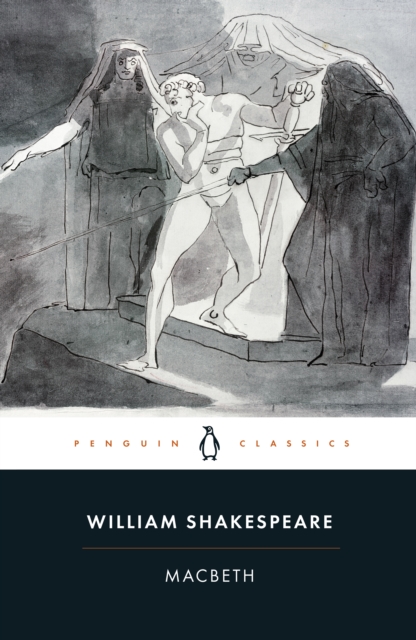
'A supreme theatrical poem that has a language that eats into the soul' Michael Billington, GuardianShakeapeare's blood-soaked drama of murder, madness and the uncanny begins as Macbeth is promised a golden future as ruler of Scotland by supernatural forces.
Shakespeare's immutable history of Henry's victory over the French at Agincourt and the subsequent peace between the two nations is also a study of war and kingship.
After the restoration of King Charles II to the British throne in 1660, dramatists experienced new freedom in an age that broke from the strict morality of puritan rule and in which elegance and wit became the chief virtues.
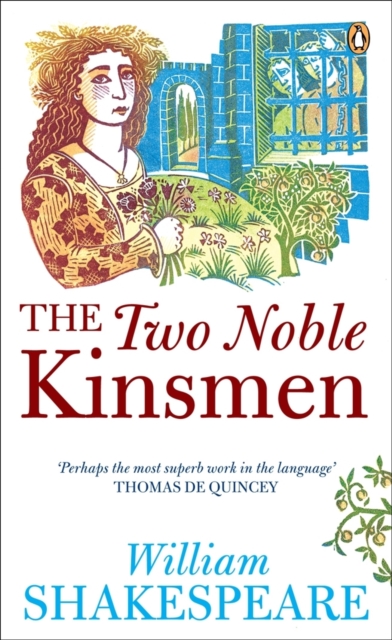
Considered by Thomas de Quincey to be 'perhaps the most superb work in the language', The Two Noble Kinsmen is set in Athens and was co-written by Shakespeare with John Fletcher.
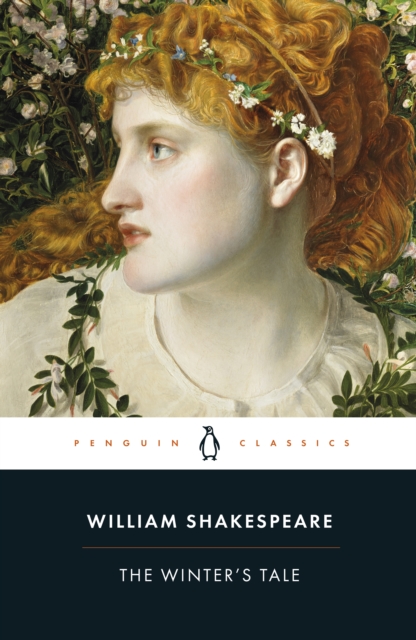
'The work of Shakespeare is virtually infinite' Jorge Luis BorgesA jealous king, convinced that his wife has been unfaithful and is having another man's baby, imprisons her and puts her on trial.
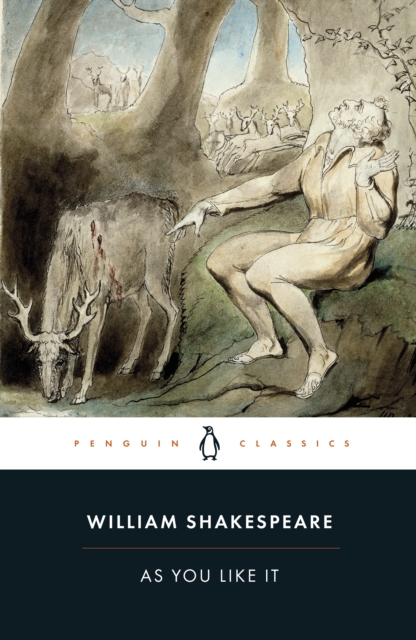
'All the world's a stage, And all the men and women merely players' Rosalind, banished by her cruel uncle, travels secretly to the Forest of Arden, where her exiled father holds court.