The tenth winner of the Yale Drama Series centers on a young mother dealing with life’s many trials Marking the tenth anniversary of the Yale Drama Series for emerging playwrights, Emily Schwend’s powerful work centers on Amber, a young woman struggling to raise a family in East Texas.
The 2013 winner of the DC Horn Foundation/Yale Drama Series Prize In this darkly comic exploration of loss, intimacy, and motherhood, three women are joined by a baby who never lived.
The first major English translation of a masterful seriocomic theatrical work by one of the most prominent writers of the Soviet epochWalpurgis Night, by acclaimed Russian writer Venedikt Erofeev, is considered a classic in the playwright’s homeland.
The 2012 winner of the Yale Drama Series A fifteen-year-old boy decides to accompany his severely depressed high school French teacher on a road trip to the Canadian province of Quebec, where the mother tongue of Voltaire and Balzac is still spoken and cherished.
Lope de Vega’s masterpiece, a classic play of the Spanish Golden Age, in a vibrant new translation Lope de Vega “single-handedly created the Spanish national theatre,” writes Roberto González Echevarría in the introduction to this new translation of Fuenteovejuna.
The third winner of the Yale Drama Series competition for emerging playwrights—a haunting and provocative imagining of the reunion, years later, of a Guantánamo detainee and the female interrogator who tortured him It’s been fifteen years since Guantánamo, fifteen years since Bashir last saw his U.
Readers of Shakespeare’s greatest tragedies have long noted the absence of readily explainable motivations for some of Shakespeare’s greatest characters: why does Hamlet delay his revenge for so long?
Drei Freitage, zwei alte Freunde, ein Gasthaus - wo Realität auf Zukunftsängste und Geister der Vergangenheit trifftÜber die Angst vorm Vergessenwerden18 Uhr – um diese Zeit treffen sich Werner, Dozent, und Richard, Buchhändler, an drei aufeinanderfolgenden Freitagen im Gasthaus "Zur tschechischen Botschaft".
Arthur Miller's play A View from the Bridge is a tragic masterpiece of the inexorable unravelling of a man, set in a close-knit Italian-American community in 1950s New York.
Quentin is a successful lawyer in New York, but inside his head he is struggling with his own sense of guilt and the shadows of his past relationships.
A reticent personnel manager living with his mother, Mr Newman shares the prejudices of his times and of his neighbours - and neither a Hispanic woman abused outside his window nor the persecution of the Jewish store owner he buys his paper from are any of his business.
Elizabethan domestic tragedies depicted the workings of Fortune in the lives of ordinary people, telling stories of sin, discovery, punishment and divine mercy, with their settings and characterization often enhanced by a highly entertaining blend of realism and sensationalism.
Finding the theatre of the 1920s lacking in bite and conviction, Thornton Wilder set out to bring back realism and to celebrate the innocent, simple and religious.
'If we wish to know the force of human genius we should read Shakespeare' William HazlittA soldier of great standing and a newly married man, Othello seems to be in an enviable position.
Arthur Miller's penultimate play, Resurrection Blues, is a darkly comic satirical allegory that poses the question: What would happen if Christ were to appear in the world today?
When Dr Stockmann discovers that the water in the small Norwegian town in which he is the resident physician has been contaminated, he does what any responsible citizen would do: reports it to the authorities.
'The man who of all modern, and perhaps ancient poets, had the largest and most comprehensive soul' John DrydenAntonio, a Venetian merchant, wishes to help his friend get money to impress a rich heiress.
`Tonight When I make my sweeping bow at heaven's gate, One thing I shall still possess, at any rate, Unscathed, something outlasting mortal flesh, And that is .
Caligula reveals some aspects of the existential notion of 'the absurd' by portraying an emperor so mighty and so desperate in his search for freedom that he inevitably destroys gods, men and himself.
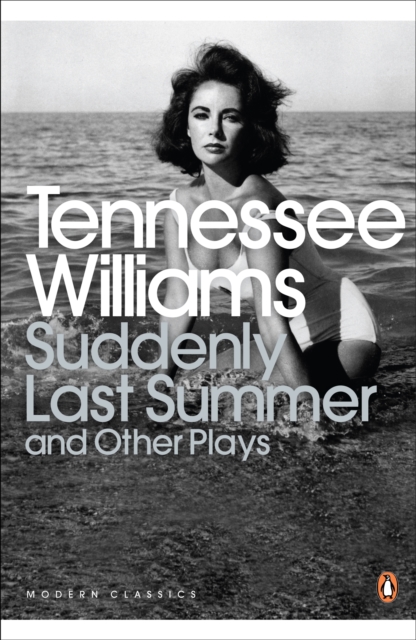
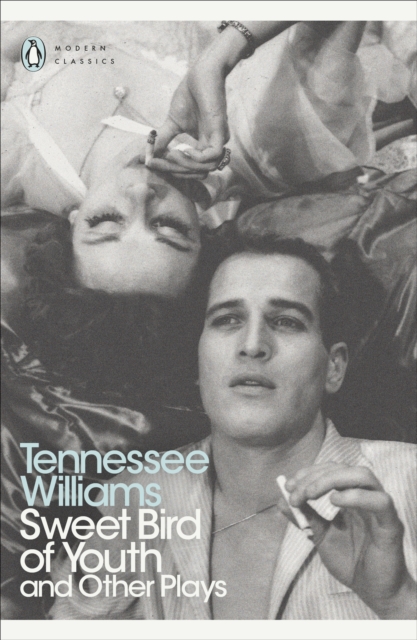
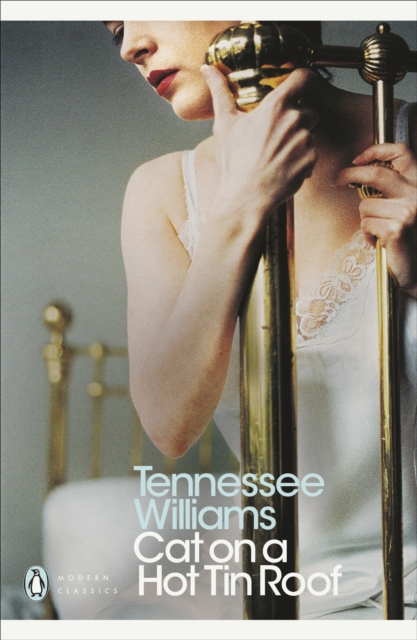
Loneliness, sexual tension and the need for human kindness pervade these three plays by Tennessee Williams, as their characters rage against personal demons and the modern world.
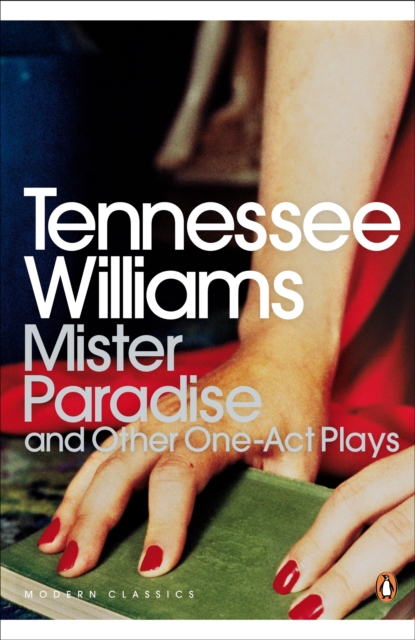
The greatest playwright of the American South, Tennessee Williams used his talent throughout his life to create brief plays exploring many of the themes that dominated his best-known works.
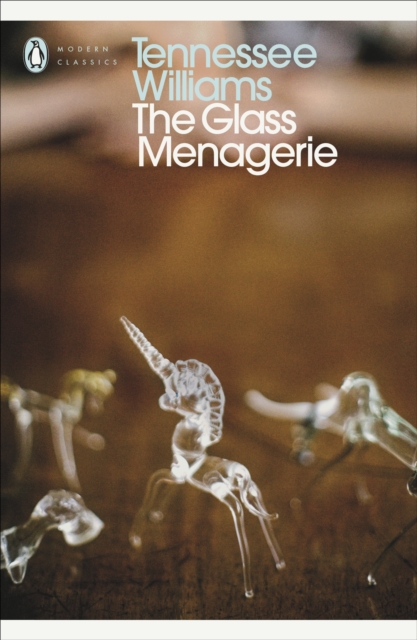
Abandoned by her husband, Amanda Wingfield comforts herself with recollections of her earlier, more gracious life in Blue Mountain when she was pursued by 'gentleman callers'.