Arthur Miller's play A View from the Bridge is a tragic masterpiece of the inexorable unravelling of a man, set in a close-knit Italian-American community in 1950s New York.
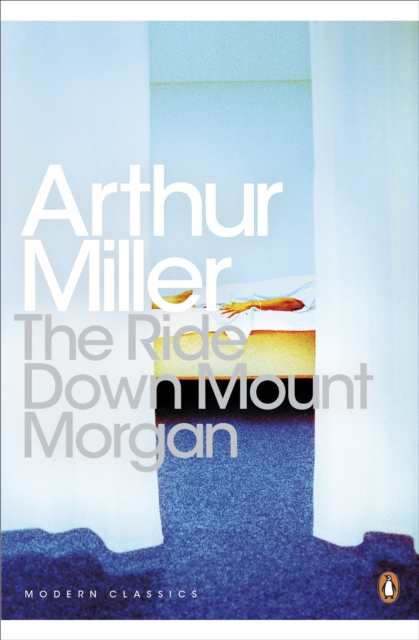
Quentin is a successful lawyer in New York, but inside his head he is struggling with his own sense of guilt and the shadows of his past relationships.
A reticent personnel manager living with his mother, Mr Newman shares the prejudices of his times and of his neighbours - and neither a Hispanic woman abused outside his window nor the persecution of the Jewish store owner he buys his paper from are any of his business.
Elizabethan domestic tragedies depicted the workings of Fortune in the lives of ordinary people, telling stories of sin, discovery, punishment and divine mercy, with their settings and characterization often enhanced by a highly entertaining blend of realism and sensationalism.
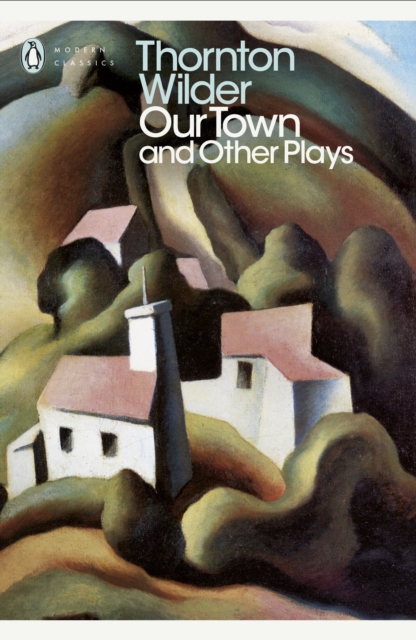
Finding the theatre of the 1920s lacking in bite and conviction, Thornton Wilder set out to bring back realism and to celebrate the innocent, simple and religious.
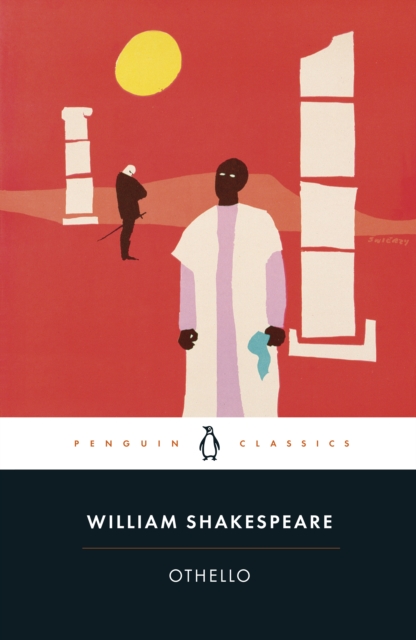
'If we wish to know the force of human genius we should read Shakespeare' William HazlittA soldier of great standing and a newly married man, Othello seems to be in an enviable position.
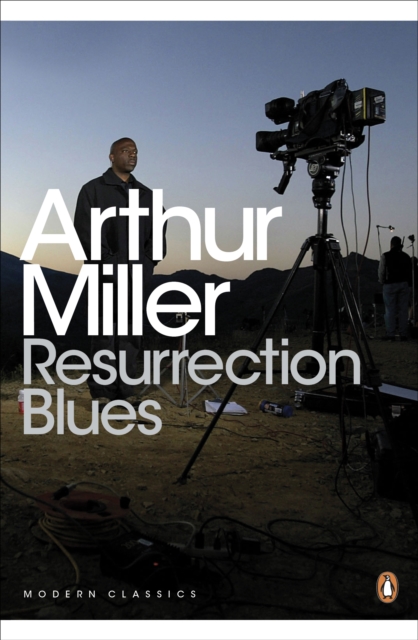
Arthur Miller's penultimate play, Resurrection Blues, is a darkly comic satirical allegory that poses the question: What would happen if Christ were to appear in the world today?
When Dr Stockmann discovers that the water in the small Norwegian town in which he is the resident physician has been contaminated, he does what any responsible citizen would do: reports it to the authorities.
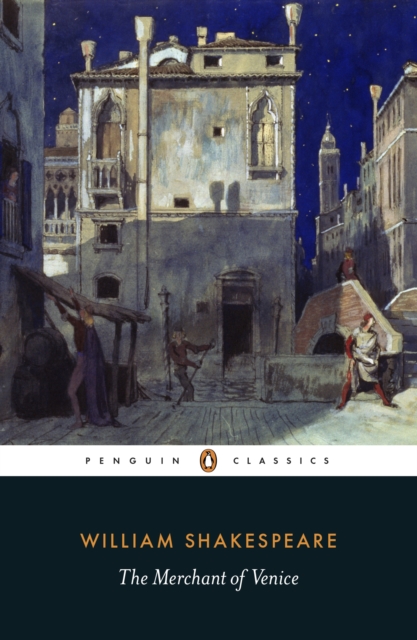
'The man who of all modern, and perhaps ancient poets, had the largest and most comprehensive soul' John DrydenAntonio, a Venetian merchant, wishes to help his friend get money to impress a rich heiress.
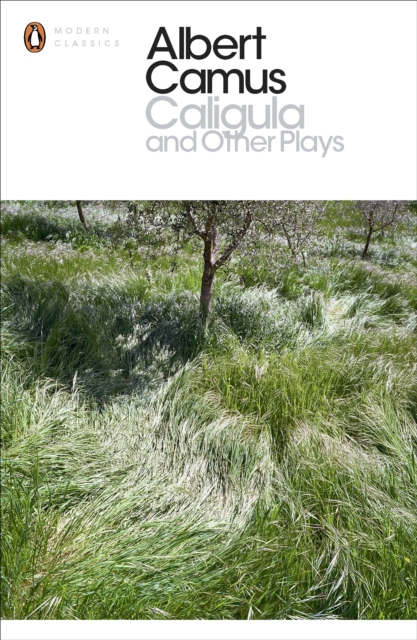
Caligula reveals some aspects of the existential notion of 'the absurd' by portraying an emperor so mighty and so desperate in his search for freedom that he inevitably destroys gods, men and himself.
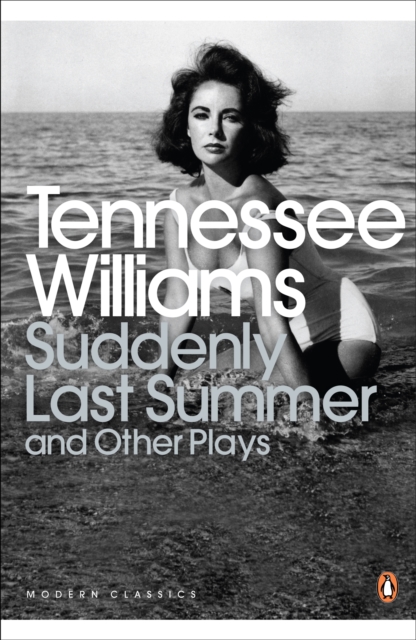
Loneliness, sexual tension and the need for human kindness pervade these three plays by Tennessee Williams, as their characters rage against personal demons and the modern world.
The greatest playwright of the American South, Tennessee Williams used his talent throughout his life to create brief plays exploring many of the themes that dominated his best-known works.
Abandoned by her husband, Amanda Wingfield comforts herself with recollections of her earlier, more gracious life in Blue Mountain when she was pursued by 'gentleman callers'.
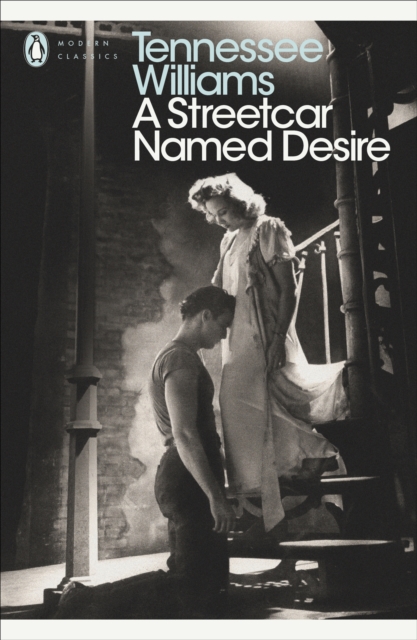
Winner of the Pulitzer Prize, Tennessee Williams's A Streetcar Named Desire is the tale of a catastrophic confrontation between fantasy and reality, embodied in the characters of Blanche DuBois and Stanley Kowalski.
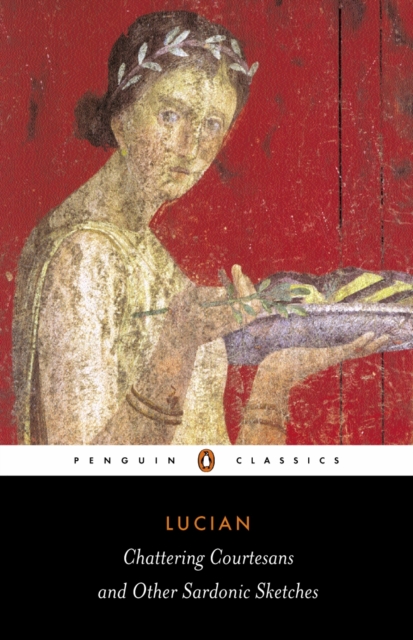
Described by a later Greek historian as "e;a man seriously committed to raising a laugh"e;, Lucian exulted in the exposure of absurdity and the puncturing of pretension, and was capable of finding a comic angle on almost any subject.
Henry VI Part III is the third of William Shakespeare's plays set during the lifetime of King Henry VI of England, and prepares the ground for one of his best-known and most controversial plays: the tragedy of King Richard III (Richard III of England).
'Shakespeare was not of an age, but for all time' Ben Jonson A poor doctor's daughter cures the King of France and, in return, is promised marriage to any nobleman she wishes.
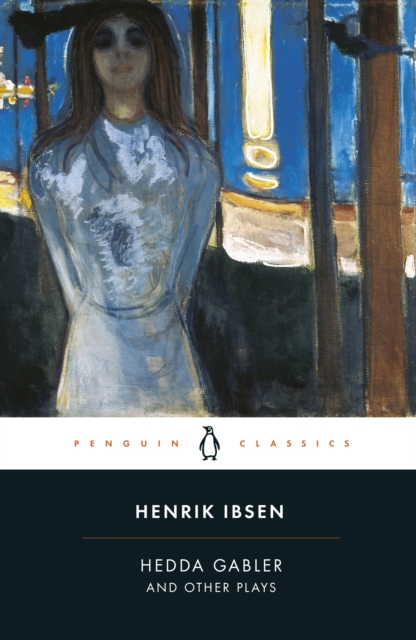
The four plays in this volume, written late in Ibsen's career as a dramatist, move away from his earlier preoccupation with people at odds with society to instead explore the inward struggle with their own thoughts, feelings and dreams.
Heracles/ Iphigenia Among the Taurians/ Helen/ Ion/ Cyclops: Of these plays, only 'Heracles' truly belongs in the tragic sphere with its presentation of underserved suffering and divine malignity.
A French courtier, secret agent, libertine and adventurer, Beaumarchais (1732-99) was also author of two sparkling plays about the scoundrelly valet Figaro - triumphant successes that were used as the basis of operas by Mozart and Rossini.
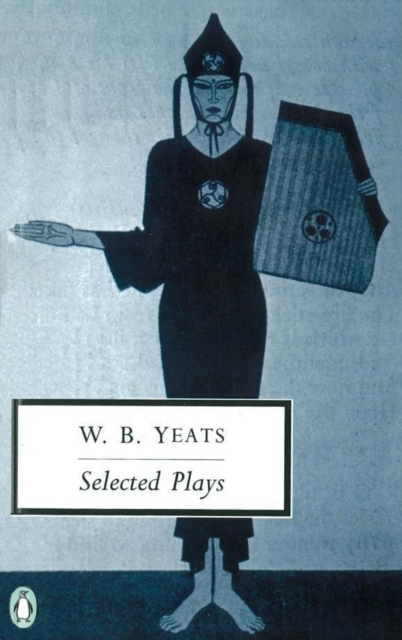
The 18 plays are: The Shadowy Waters; Cathleen in Houlihan; The Hour Glass; On Baile's Strabd; The Green Helmet; Deirdre; At the Hawk's Well; The Dreaming of the Bones; The Cat and the Moon; The Only Jealousy of Emer; Calvary; Sophocles' King Oedipus; The Resurrection; The Words Upon the Windwo-FPane; The King of the Great Clock Tower; The herne's Egg; Purgatory; The Death of Cuchulain.