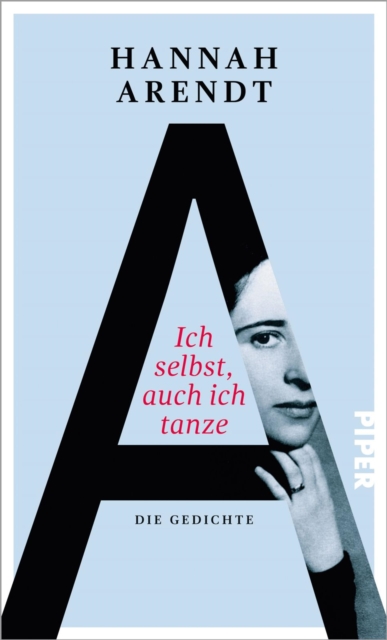
»Nur von den Dichtern erwarten wir Wahrheit (nicht von den Philosophen, von denen wir Gedachtes erwarten)«, schrieb Hannah Arendt in ihrem »Denktagebuch«.
Hier ist meine optimierte Version der Buchbeschreibung für "Die Flamme - The Flame" von Leonard Cohen:Ein letzter tiefer Einblick in die Seele eines Ausnahmekünstlers – Leonard Cohens literarisches VermächtnisMit Songs wie "Hallelujah" und "Suzanne" wurde Leonard Cohen in den 1960er Jahren weltberühmt.
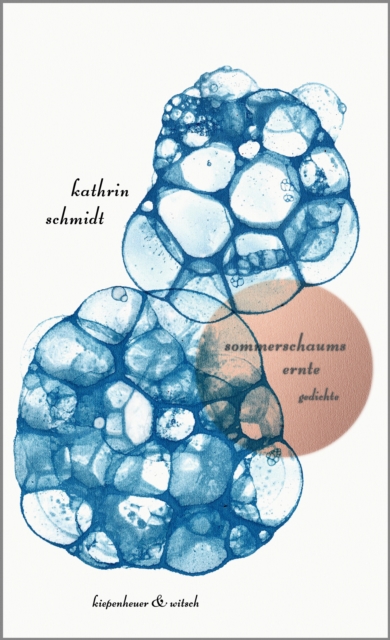
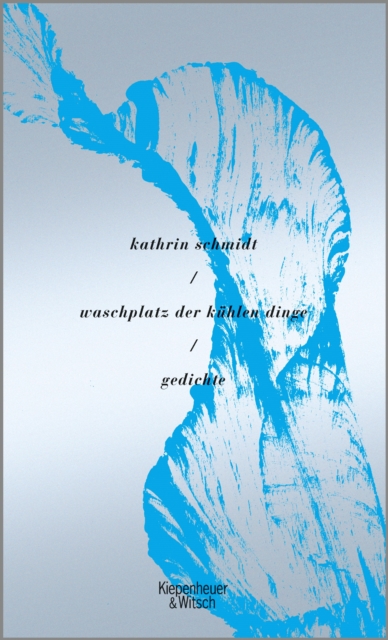
Wenn wieder die Weibsmauser naht Geschichte und Geschlecht, Körper und die Codes unserer Erfahrung, ein Blick, der die Sprache zum »fremdwörterhaus« werden lässt, die »kleinhausordnung« der Kindheit: Das sind Themen, um die das Schreiben von Kathrin Schmidt kreist, nicht nur in ihrer Lyrik, aber dort werden die Modelle zunächst erprobt, mit Lakonie, Frechheit, Intellekt, aber auch nicht ohne Melancholie.
Neue Gedichte von der Gewinnerin des Deutschen Buchpreises 2009Mit ihrem Roman Du stirbst nicht hat Kathrin Schmidt berührend, eindringlich und bestechend komisch die Geschichte einer Rückeroberung des Lebens über die Sprache erzählt.
Mascha Kalékos ExilgedichteVon den Nationalsozialisten ins Exil gezwungen, verlor Mascha Kaléko nicht nur ihre Heimat, sondern auch ihre Sprache und damit ihr Publikum.
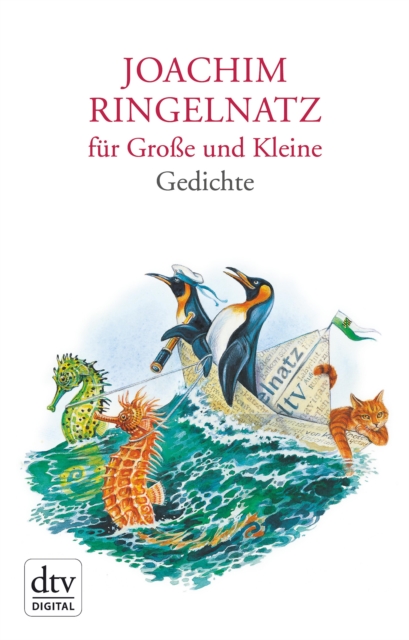
Ein Lesespaß für Jung und AltSatirisch-heitere Gedichte, oft hintergründig oder zum Kringeln, sind das Markenzeichen des berühmten Autors, der sich Ringelnatz, das Seepferdchen, nannte.
Zum Verschenken, Vor- und SelberlesenIn diesem vierfarbig illustrierter Geschenkband können Sie das Beste, was der Meister des humoristischen und satirischen Gedichts für Große und Kleine zu bieten hat, (neu) entdecken.
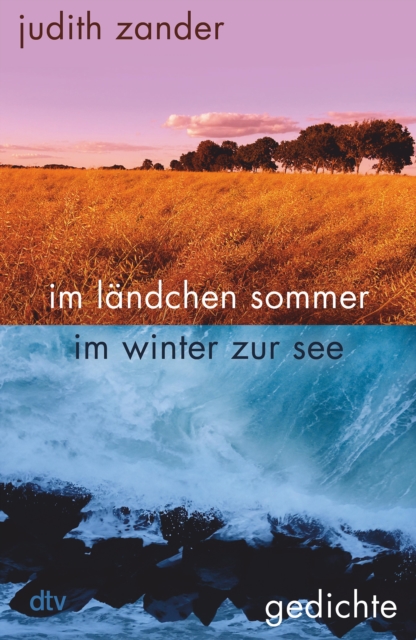
Der erste Gedichtband von Judith ZanderJudith Zander, die für ihren Roman ›Dinge, die wir heute sagten‹ großes Lob und viel Aufmerksamkeit erhielt, wurde schon vielfach für ihre Gedichte ausgezeichnet.
The current book is an academic study of the Adventures of Two Captains Trilogy; different scintific dimensions have been linked in a precise way so the readers might get some glances of the deeper structures behind this work.
Millennial Pain is a spiritual, emotional and profound collection of 111 poems about feelings, thoughts, truths and insights of the millennial generation.
In meinem zweiten Gedichtband spielen die Facetten der Liebe und Fürsorge füreinander eine Rolle, der Krieg in der Ukraine und die Unterschiedlichkeit der Menschen, die uns bereichert und eint.
Wie schon im ersten Band nach Radreisen entlang der Elbe entstanden nach Reisen an den Mulden vom Erzgebirge bis zur Elbe, entlang der Saale und ihrer Nebenflüsse sowie an der Havel und in der Prignitz - zumeist komische - Gedichte zu vielen vor Ort aufgenommenen Bildern.
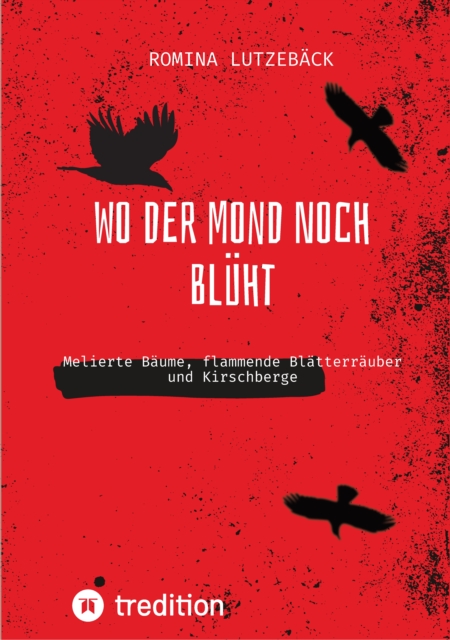
Romina Lutzebäck nimmt ihre Leser*innen im dritten Teil ihrer Anthologie zur Zeitgeistpoesiewieder mit auf eine magische Abenteuerreise in die zauberhafte Welt der großstädtischen Alltags der Gegenwart,einer Welt aus reinem Kastaniengold.
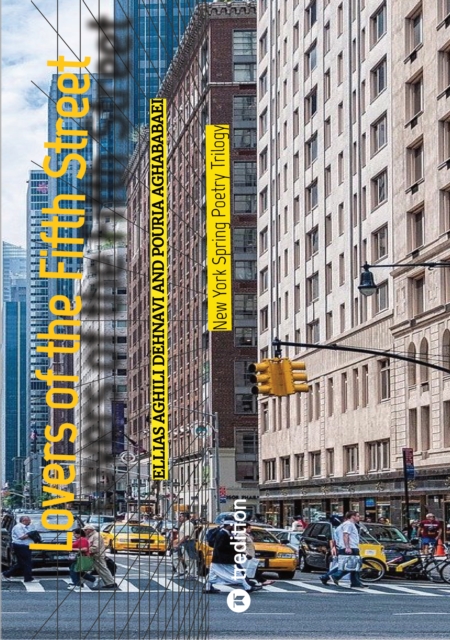
The lovers of the fifth street"e; is filled with far-fetched repeated figures of metaphor and simile; though there are few direct references to some feasible modern issues that one can witness in our world, the main focus has been yet given to the use of figurative language; by doing so, the readers won't be bothered and confused; their minds will stay alerted and sensitive towards the hidden concepts while they play joyfully through the lines.
In ihrem bemerkenswerten Gedicht "Häutungen" spricht Susanne Riehl das Thema ihres zeitgenössischen Gedichtbandes, erschienen in so herausfordernder Zeit für uns alle, deutlich aus:"Während die Sonne unsere Pflaster wärmt, spielen die alten Kinder im verfaulten Keller zeitloser Häuser,statt Murmeln und Gameboy mit neuen Knarren,reißen sich mit spürbarem Genuss die Haut auf, entwurzeln Geist und Seele und rülpsen dabei.