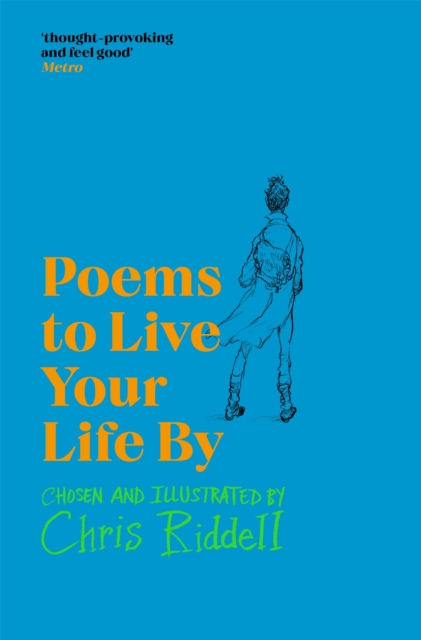
In Poems to Live Your Life By, Chris Riddell, political cartoonist for the Observer, has selected his very favourite classic and modern poems about life, death and everything in between.
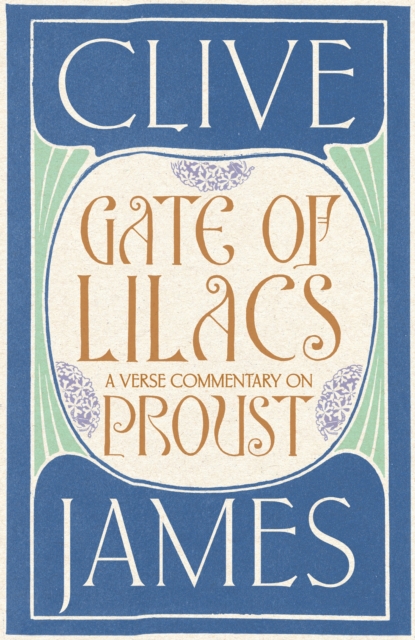
Filled with Clive James''s typical wit, warmth, erudition and enthusiasm, this is a brilliant and original tribute to one of his great literary loves, Marcel Proust''s À la recherche du temps perdu.
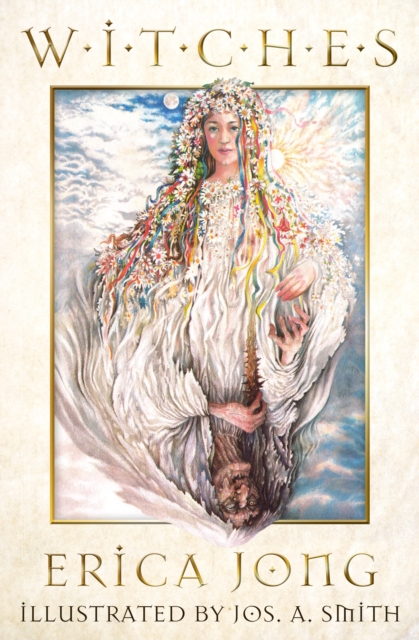
The New York Times-bestselling author of Fear of Flying celebrates witches in a gorgeously illustrated brew of witchcraft lore, potions, secrets, and myth.
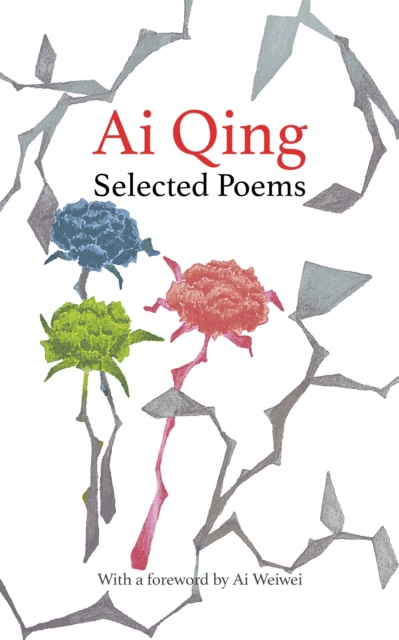
A timeless, visionary collection of poems from one of China's most acclaimed poets-now available in English for the first time in a generation and featuring a foreword by his son, contemporary artist and activist Ai WeiweiOne of the most influential poets in Chinese history, Ai Qing is mostly unknown to Western readers, but his work has shaped the nature of poetry in China for decades.
Discover the Sunday Times bestselling collection from the TikTok sensation and author of On Earth We're Briefly Gorgeous'One of the most important poets of his generation'ANDREW MCMILLAN, author of Physical'Powerful'DUA LIPA'Redefines our idea of what an elegy can do it, what it is for'ILYA KAMINSKY, author of Deaf RepublicIn this deeply intimate second poetry collection, Ocean Vuong searches for life among the aftershocks of his mother's death, embodying the paradox of sitting within grief while being determined to survive beyond it.
The breakout poetry collection by Sunday Times bestselling author and presidential inaugural poet Amanda Gorman'This is poetry rippling with communal recognition and empathy' Guardian'This is more than protest.
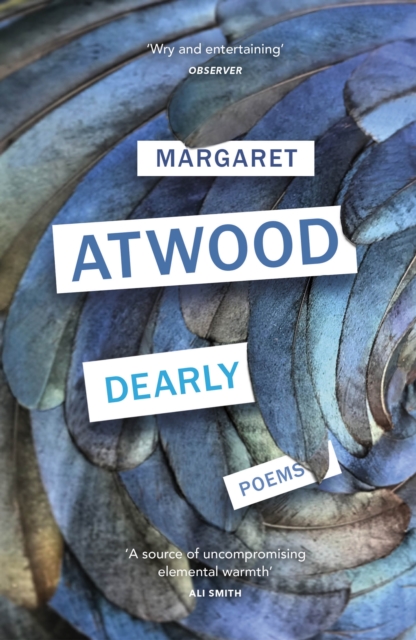
'A source of uncompromising elemental warmth' Ali SmithBy turns moving, playful and wise, the poems gathered in Dearly are about absences and endings, ageing and retrospection, but also about gifts and renewals.
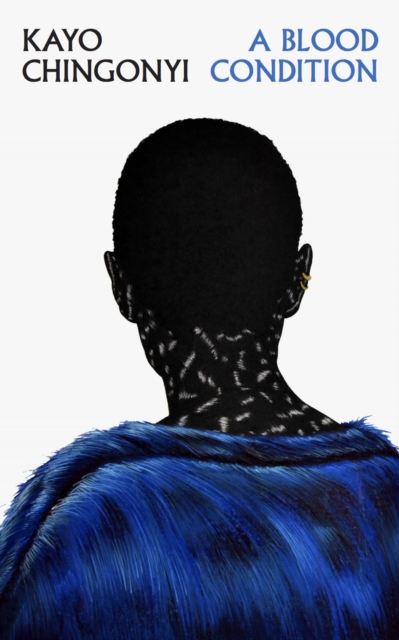
'A Blood Condition is one of the most arresting and beautiful set of poems of this or any year' Guardian, Books of the Year 2021*SHORTLISTED FOR THE COSTA POETRY AWARD**SHORTLISTED FOR THE T.
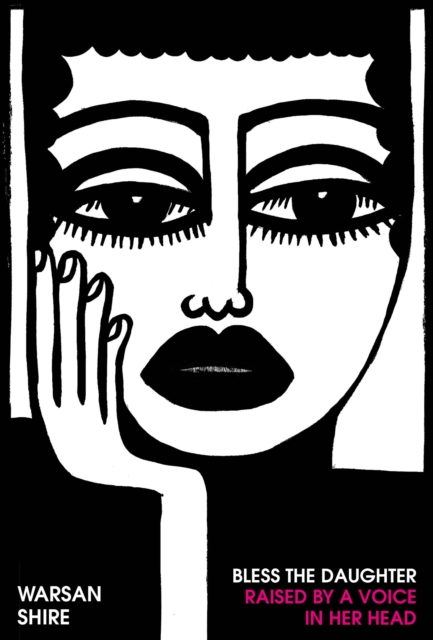
*SHORTLISTED FOR THE 2022 FELIX DENNIS PRIZE FOR BEST FIRST COLLECTION*** AS HEARD ON BBC RADIO 4**'Warsan Shire is an extraordinarily gifted poet whose profoundly moving poems so powerfully give voice to the unspoken' Bernardine Evaristo'Vital, moving and courageous, this is a debut not to be missed' Guardian__________Poems of migration, womanhood, trauma and resilience from the award-winning Somali British poet Warsan Shire, celebrated collaborator on Beyonc 's Lemonade and Black Is King.
*SHORTLISTED FOR THE FORWARD PRIZE FOR BEST COLLECTION*'A raw, tender, potent collection' - JESSICA ANDREWS'Gorgeous poems - profound, exploratory, wild, playful - and completely now' - RUTH PADEL________The brilliant new collection from T.
**WINNER OF THE FORWARD PRIZE FOR BEST COLLECTION 2019****WINNER OF THE ROEHAMPTON PRIZE FOR BEST POETRY COLLECTION 2019**Violence hangs over this book like an electric storm.
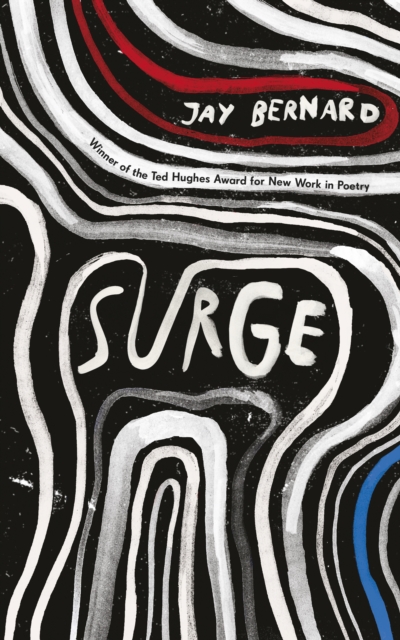
**Winner of the 2020 Sunday Times/University of Warwick Young Writer of the Year Award**Jay Bernard's extraordinary debut is a fearless exploration of the New Cross Fire of 1981, a house fire at a birthday party in which thirteen young black people were killed.
**WINNER OF THE COSTA POETRY AWARD 2018****SHORTLISTED FOR THE 2018 FORWARD PRIZE FOR BEST COLLECTION**A war-poem both historic and frighteningly topical, Assurances begins in the 1950s during a period of vigilance and dread in the middle of the Cold War: the long stand-off between nuclear powers, where the only defence was the threat of mutually assured destruction.
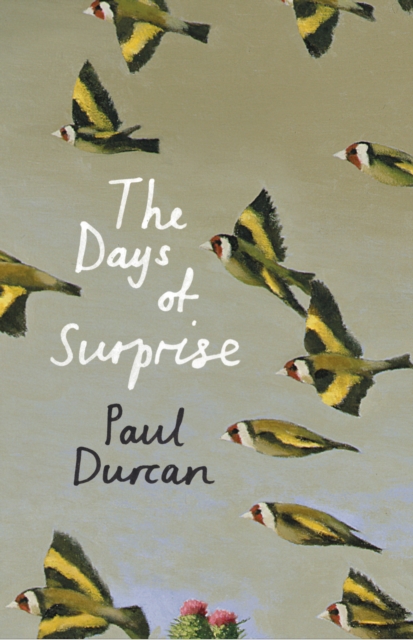
WINNER OF THE LIFETIME ACHIEVEMENT IRISH BOOK AWARD 2014Paul Durcan never imagined he would be clasped by a woman again, but life is full of surprises!
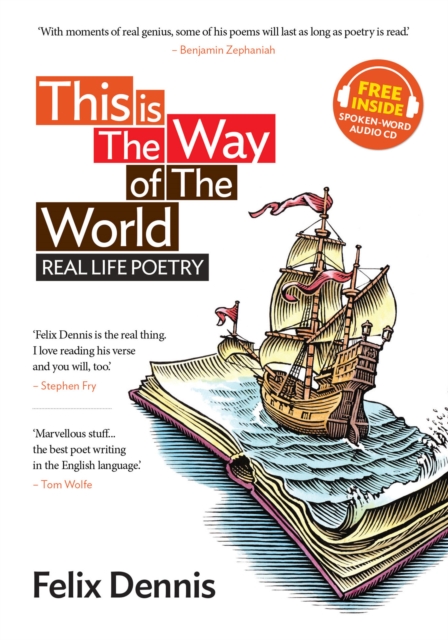
This Is The Way Of The World is a collection of poems specially selected by the author to encourage adults who lack confidence in their reading skills and to introduce new readers to the world of poetry.
Originally published in 1927, Pomes Penyeach is James Joyce's second and final collection of poetry, thirteen short, delicate pieces that reveal a lyrical, intimate side of the great modernist master.
Chamber Music is James Joyce's debut collection of poetry, thirty-six lyrical, delicately wrought verses that reveal a softer, more musical side of one of modernism's most celebrated authors.
Bringing together the full range of James Joyce's poetic output, Collected Poems offers a rare and revealing glimpse into the lyrical heart of one of the twentieth century's greatest literary innovators.
Citizen Killings: Liberalism, State Policy and Moral Risk offers a ground breaking systematic approach to formulating ethical public policy on all forms of 'citizen killings', which include killing in self-defence, abortion, infanticide, assisted suicide, euthanasia and killings carried out by private military contractors and so-called 'foreign fighters'.
Citizen Killings: Liberalism, State Policy and Moral Risk offers a ground breaking systematic approach to formulating ethical public policy on all forms of 'citizen killings', which include killing in self-defence, abortion, infanticide, assisted suicide, euthanasia and killings carried out by private military contractors and so-called 'foreign fighters'.
'A modern-day love story with an old-fashioned warmth' Debbie Johnson'A wonderful, witty, romantic rollercoaster of a novel' Matt DunnWhen it comes to love, sometimes timing isn't so easy.
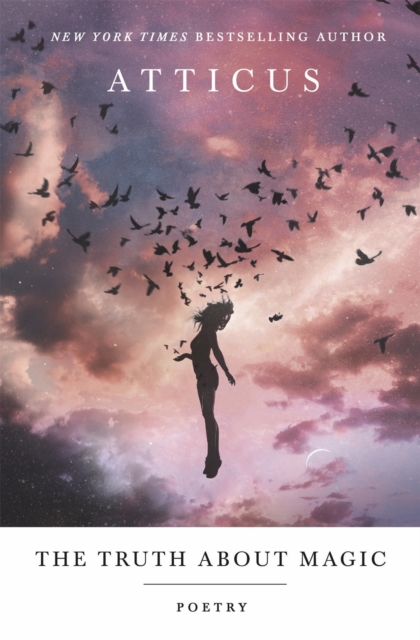
From the internationally bestselling author of Love Her Wild and The Dark Between Stars comes The Truth About Magic, a fresh, awakened journey outwards.
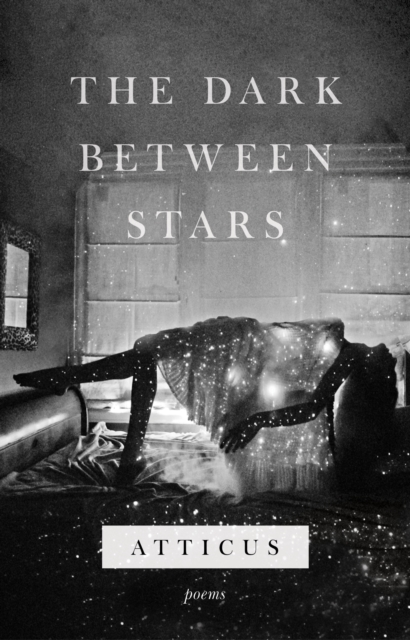
Now a New York Times bestsellerFrom the internationally bestselling author of LOVE HER WILD comes THE DARK BETWEEN STARS, a new illustrated collection of heartfelt, whimsical, and romantic poems from Instagram poetry sensation, Atticus.
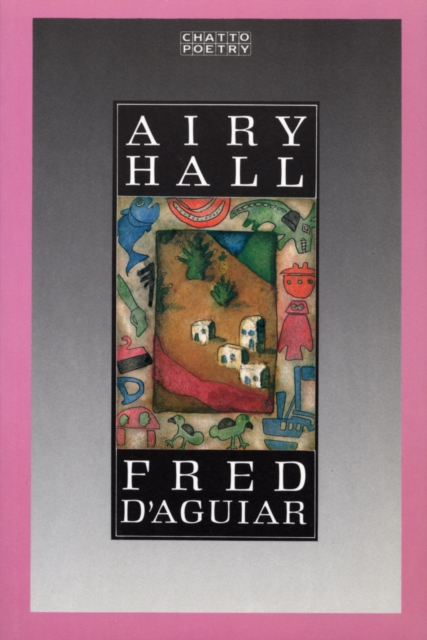
Airy Hall a collection of linked short stories and a new long poem will confirm and enhance D'aguiar s reputation: its bold mingling of public and private themes, its skilful counterpointing of Britain and Guyana, and its combination of graceful evocation with tough argument, engage to produce poems which are tightly-worked, generously inclusive and powerfully arresting.
The definitive single-volume edition of the work of the greatest poet of the First World War2018 marks the centenary of the end of the First World War.
Winner of the 2015 Geoffrey Faber Memorial PrizeWinner of the 2015 Seamus Heaney Centre for Poetry Prize for First Full CollectionShortlisted for the 2015 T.
WINNER OF THE FORWARD PRIZE BEST FIRST COLLECTION 2014*PBS Recommendation 2014* When I became a bird, Lord, nothing could not stop me In Black Country, Liz Berry takes flight: to Wrens Nest, Gosty Hill, Tipton-on-Cut; to the places of home.
In the dice cup, then, life becomes not a design but a wager; not an adventure but a game Brimming with brio and brilliance, John Fuller s latest collection comprises exquisite philosophical arguments, dream visions, aphorisms, precise portraits, colourful fables and tableaux of life.