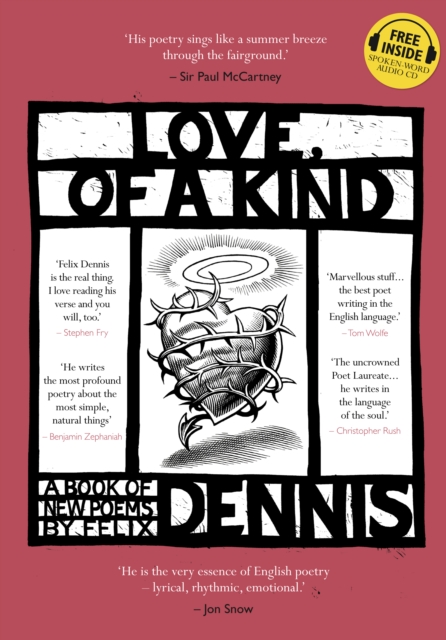
Never one to shy away from difficult subjects, in Love, Of a Kind Dennis brings awkwardness, pain and intimacy together in an inimitable and pithy way.
In her first collection since the Costa-winning Tilt, Jean Sprackland looks back at endings and beginnings: the end of a life, or of a marriage; old homes lived in and left, new homes discovered.
In a stunningly original mix of poetry, drama, and narrative, Anne Carson brings the red-winged Geryon from Autobiography of Red, now called G , into manhood, and through the complex labyrinths of the modern age.
James Lasdun's new book of poems, his first since his acclaimed collection Landscape with Chainsaw, applies his characteristic blend of the celebratory and the elegiac to a rich variety of new themes and old obsessions.
Paul Durcan's twenty-second collection finds Monsieur le Po te on the road in Paris, New York City, Chicago, Brisbane, and Achill Island, meditating upon the sanctuary of home and what it means to feel truly at home.
The long poem at the centre of John Hartley Williams' new collection is a dramatic monologue narrated by a laconic, possibly lamed, forest dweller, a lowly crewmember on a barge travelling an unnamed waterway.
From memories of childhood and personal loss to the quiet celebration of a lover's navigational skills, from meditations on nature and sexuality to the fantasy world of aquarium fish, the poems in A NORMAL SKIN cover a wide range: lyrical in tone, and highly visual, they express once again the poet's sense of wonder at the world, while exploring some new preoccupations, including love and identity the tension between masking and self-revelation, and the writer's pleasure at returning to Scotland after a long absense.
"e;Witch Covens and the Grand Masters"e; is a detailed treatise on the subject of witchcraft written by Montague Summers, exploring in particular their hierarchy, their 'sabbat', and related practices.
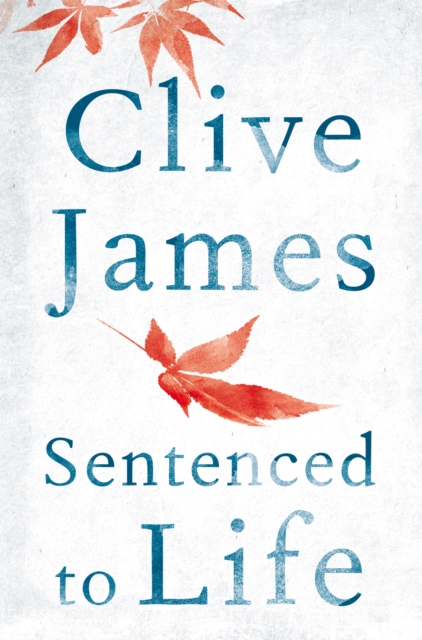
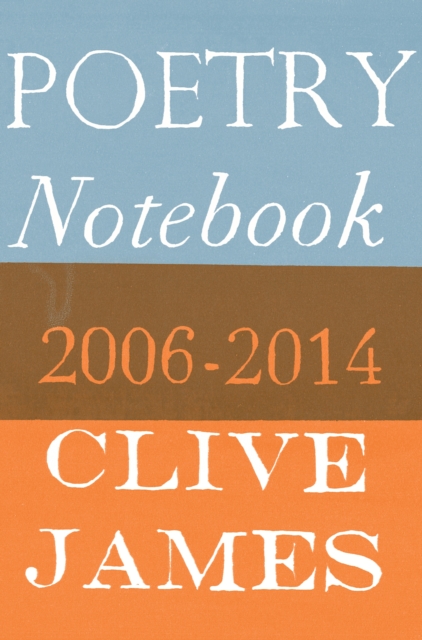
Collecting poetry written in the years 2011-2014, Sentenced to Life sees Clive James look back over his extraordinarily rich life with a clear-eyed and unflinching honesty.
This unique collection of poems from the Poet Laureate, filled with her characteristic wit, is a feminist classic and a modern take on age-old mythology.
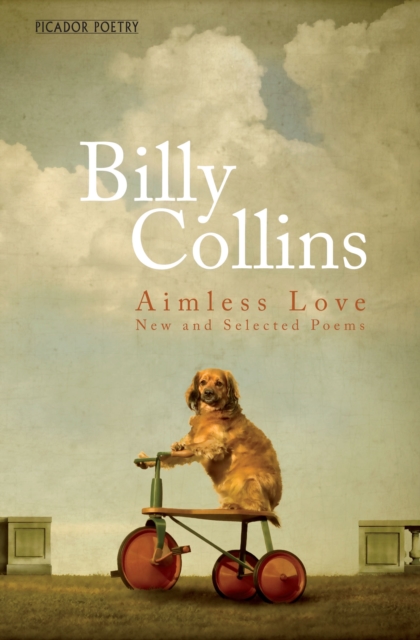
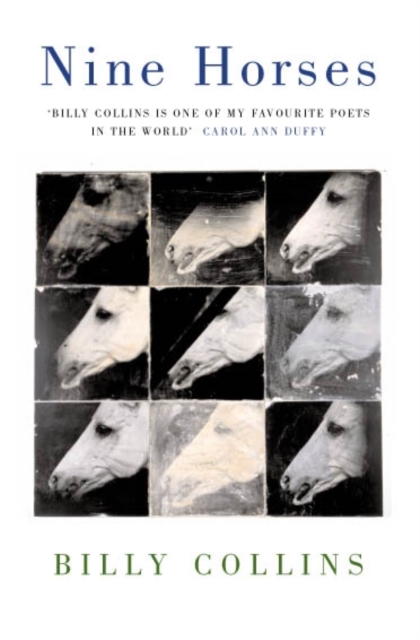
Aimless Love is Billy Collins' first compilation of poems in twelve years, and a wonderful successor to his first, the bestselling Taking Off Emily Dickinson's Clothes.
'Look - here's a poet of ferocious invention, a breathtaking wit that ushers us to epiphanies of grief and laughter, an encyclopaedic knowledge of hip ephemera that's never merely knowing, and a playful ear - which is, I note, an anagram of Paul Farley .
The Red-Funnelled Boat charts a course through richly varied territory, from theological obsession to the paranoid fantasies of the armchair footballer, the vernacular hell of mental illness and the author's lyrical yearning for the elsewheres of the Hebrides and the cinematic Midwest.
While Downriver contains the English urban pastoral and hymns to the Northern deities for which Sean O'Brien is justly celebrated, the poet has always been more a singer than even his many admirers have sometimes conceded: here, that lyric note is sounded more openly than ever before.
Conjure is Michael Donaghy's third collection, and his most accomplished to date, displaying the same trademark elegance, sleight of hand and philosophical wit that have established his reputation as a 'poet's poet'.
Collecting verse written in the years 2008-2011, Nefertiti in the Flak Tower sees Clive James approach his later years with the same technical versatility, emotional poignancy and lightly-worn erudition as defined his career.
For most of us Christmas is the season of huge helpings of good food, good drink, and with luck, good cheer, as the rituals of cracker-pulling, present-giving and happy or sulphurous family reunions fizzle and bang through the long afternoon.
In MASCULINITY, Robert Crawford elegantly explores many aspects of that troubling concept, from imperial militarism to his own experiences as father, husband, and son.
Since the publication of his first book in 1967, Paul Durcan has made satirical, celebratory and extraordinarily moving poetry out of his country's fortunes and misfortunes.
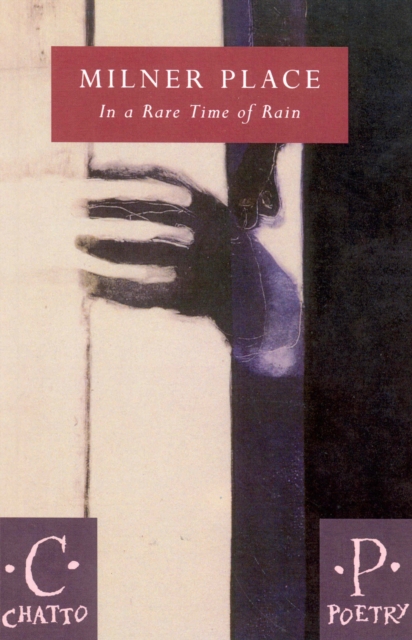
Described in the Telegraph as 'Huddersfield's Melville', Milner Place has spent much of his life sailing the seven seas as a skipper of a trading boat, while also writing beautifully crafted poetry.
This is the definitive centenary edition of the work of one of America's greatest poets, recognised today as a master of her art and acclaimed by poets and readers alike.
"e;God can stay asleep / these women in my life are magic enuff"e;An electrifying collection of poems that tells a universal tale of survival and revolution through the lens of Black femininity.
An eyewitness account of a modern coven and an overview of Wiccan history in a book that "e;sweep[s] clean the 'old image of witchcraft'"e; (Kirkus Reviews).
At the end of the First World War, countries across Europe participated in an unprecedented ritual in which a single, anonymous body was buried to symbolize the overwhelming trauma of the battlefields.