Khirida Al -Qasr and Al -Asr newspaper is a literary book located in 21 volumes, in which its author, Imad Al -Din Al -Isfahani, translated into several poets in the fifth and sixth centuries AH
In this book, a thousand poems, chosen by the poems of the Arabs who are martyred in their poems and made it in ten parts, guaranteed each part a hundred poems, some of which were written in the side of the papers, inserting the poems of preferences, the poems of Al -Asma'i that he chose, and the inclinations of Jarir and Al -Farazdaq, and the poems he mentioned Abu Bakr bin Dureid in a book that he called: Al -Shudeer, the best poems of Hathil, and those mentioned by Ibn Salam Al -Jamhi in the book of the classes, and he was not without mentioning one of the poets and presenting each other to each other and she came to Ka'b bin Zuhair, concluded with the Hashemiyat Al -Kumait, and he blessed the praise of the Messenger May God's prayers and peace be upon him in the poem of Kaab, and he mentioned it, may God bless him and his family, in the poetry of the Hashemites with which this book concluded.
The vision picnic in the merits of poems in the circle of attention of specialists in the scope of Arabic language sciences in particular and researchers in topics is generally close to the subjects; Where the book of the picnic is entered into the merits of poems within the scope of language science and the documentation of other specializations such as poetry, linguistic rules, literature, rhetoric, and Arabic literature
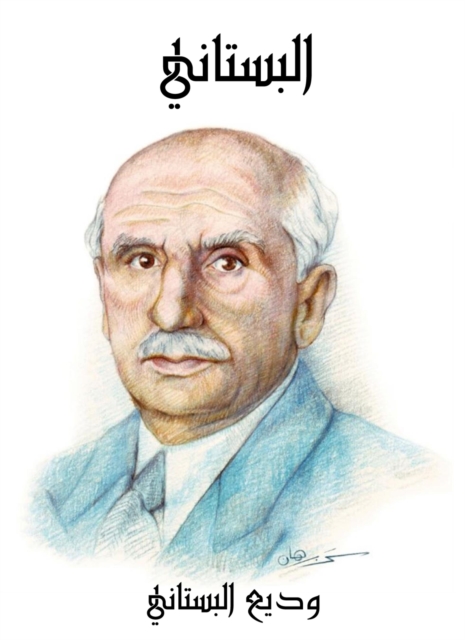
Wadih Al -Bustani was fascinated by the famous Nobel Prize -winning Indian poetry in fictional poetry, "Rabandrandaith Tagore", so he worked to Arabize the most beautiful of his poetry collections, and even reached his great admiration for the poet to seek to meet him in India, and read on him what he Arabized from His hair after translating it into English.
Khirida Al -Qasr and Al -Asr newspaper is a literary book located in 21 volumes, in which its author, Imad Al -Din Al -Isfahani, translated into several poets in the fifth and sixth centuries AH
Diwan of Tarfa bin Al -Abd is a group of the poems of the pre -Islamic poet Tarfa bin Al -Abd bin Sufyan bin Saad Al -Bakri Al -Waeli, born in 86 before the migration, which corresponds to 538 AD, and he is a ignorant poet from Bani Bakr and is considered one of the poets of the first class and he is one of the well -known pre -Islamic pending holders.
It is a poetic office, for Ibrahim Abdel -Qader Al -Mazni, from three parts, which he started with printing and tradition in modern poetry, and he touched on the opinions of the code in the poets of the times and the tradition they adopt in ancient Arab poetry.
The lament was and still is one of the most prominent purposes of Arabic poetry, despite the transformations of its traditions of Arab poets and its expression of the Arab conscience.
The honorable poet, the honorable writer Noureddine Effendi, Mustafa, the son -in -law of His Excellency Hammam Abdel -Halim Pasha, the director of the general endowment, said: This travel is light for Basir and for the great wisdom (that of poetry for his ruling)
Al -Hiriri's places are literary shrines composed by Muhammad Hariri Al -Basri, and they are one of the most famous stations that belong to the art of Arabic writing that Badi Al -Zaman Al -Hamdhani, which is a kind of short stories celebrated by the acting movement, and the dialogue in it between two people, and its author is committed to the literary workmanship that depends on Al -Saja and Al -Badia.
Diwan of my poetry was organized by the great poet "Mohamed Iqbal" and "Bieam Mashreq" means in Arabic "The East Message" in response to the "Western Diwan" published by the poet of German life and its philosopher "Goethe".
This short book of the romantic poet "Elias Abu Shabaka" can be considered as a album that contains vibrant poetic paintings, with innovative linguistic structures, and uncommon fictional images; Like his saying: "My heart has been in the vase One of his anxiety and his dark vision of life, which was evident in the verses of the poem "The Vineyah"; This is because Elias loves his hair to be new to the heart because of the different feelings in himself, he would like to share the reader in which he dwells in his soul; The title of the Diwan was the "Call of the Heart".
For wisdom and proverb in Arabic literature in general and poetry in particular, an excellent position, and Professor Abdullah Fikry collected a few of the Arab rule and proverbs from different ages, as we find in it what is from the pre -Islamic era, the Umayyad era or the Abbasid era, but we find some proverbs from the ages The late.
The Akkad is liberated with his poetry from traditional classic restrictions, so he was renewed in his poetry, and his office represents "the revelation of forty" the stage of the maturity of his poetry, and he went out of the ordinary, and organized a group of pearls and poetic pieces, to express his deep meanings of life, contemplating its description, and its conditions, The Diwan has the name "Ihor of Forty" because he wrote most of his forty years of age.
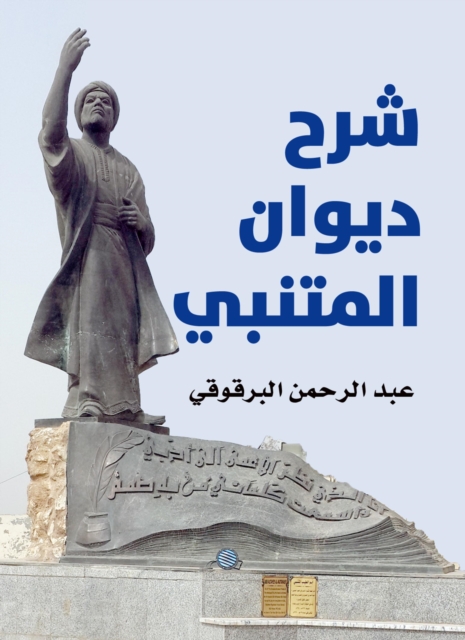
This explanation is a literary ammunition, and a heritage document that documents the precious poetic contract that he left for us with eloquent Arabic poetry in the "Al -Mutanabbi" east, which is a sufficient explanation in which the writer mentioned all the interpretations of the wigs from advanced, late, and the critics of the critics of his fanatics, and fanaticism against him.
The book of the poor, is a prose book by Mustafa Sadiq Al -Rafii, presented by an eloquent introduction in the meaning of poverty, charity, and human sympathy, and it is various chapters, which has no unity that has only pictures of the many human pains of multiple shadows.
The writers deal with Arab poets in the pre -Islamic era and mention the poets of pendantsThe writers deal with Arab poets in the pre -Islamic era and mention the poets of pendantsThe writers deal with Arab poets in the pre -Islamic era and mention the poets of pendantsThe writers deal with Arab poets in the pre -Islamic era and mention the poets of pendantsThe writers deal with Arab poets in the pre -Islamic era and mention the poets of pendants
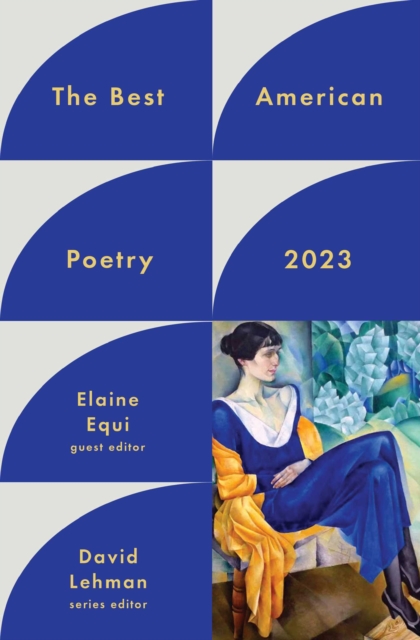
Award-winning poet Elaine Equi selects the poems for the 2023 edition of The Best American Poetry, ';a ';best' anthology that really lives up to its title' (Chicago Tribune).
This book is cultivated by a set of good and noble values and attributes that lead a person to elevation and transition in the sense of humanity, as it urges honesty, giving, and friendship.
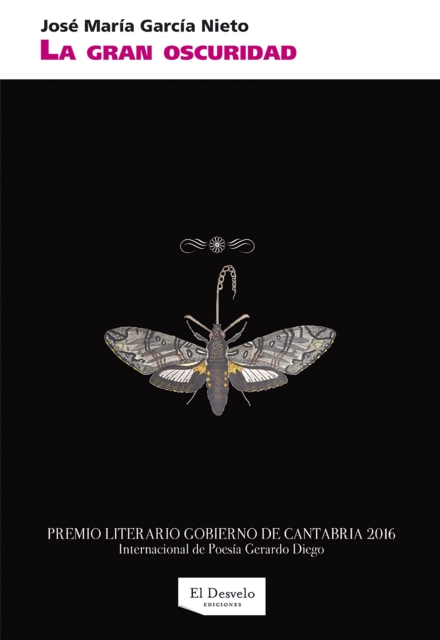
'La gran oscuridad' fue Premio Internacional de Poesía Gerardo Diego de 2016 y pretende ser un compendio de los sueños, deseos y obsesiones del autor, José María García Nieto, buscando la complicidad del lector.
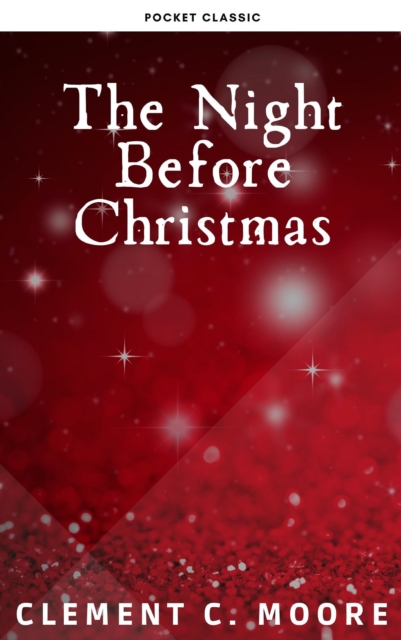
The Christmas Classic in it's Original Text with Cute Illustrations"e;Twas the night before Christmas, and all through the house, Not a creature was stirring, not even a mouse.