One of the greatest poetic masterpieces now with revised and updated annotations from world-renowned Gibran expert, Professor Suheil BushruiOriginally published in 1923, The Prophet continues to inspire millions worldwide with its timeless words of love and mystical longing.
This exhaustive and yet enthralling study considers the life and work of al-Mutanabbi (915-965), often regarded as the greatest of the classical Arab poets.
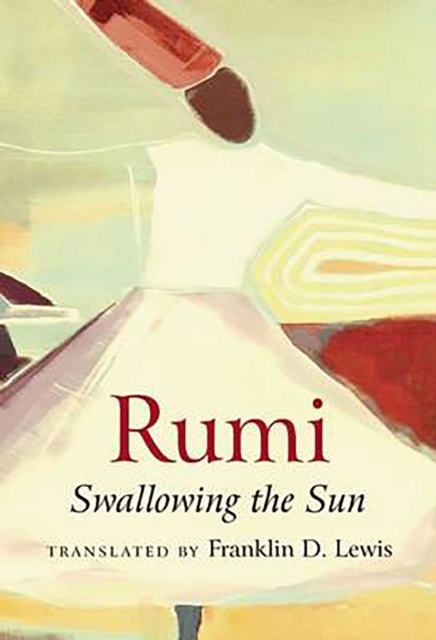
A beautifully presented volume that draws from the breadth of the great Persian poet's workTimeless and eternal, the poetry of Jalal al-Din Rumi is loved the world over.
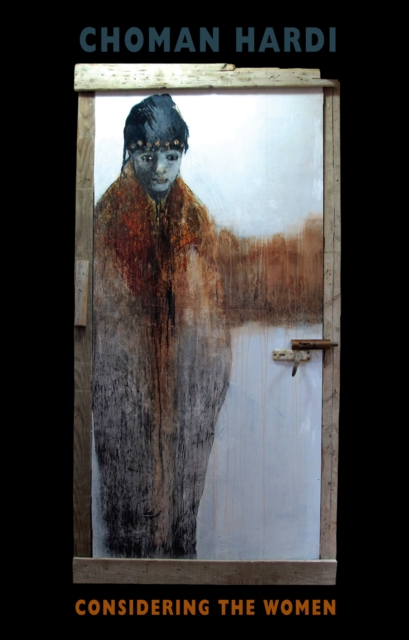
Choman Hardi's Considering the Women explores the equivocal relationship between immigrants and their homeland - the constant push and pull - as well as the breakdown of an intermarriage, and the plight of women in an aggressive patriarchal society and as survivors of political violence.
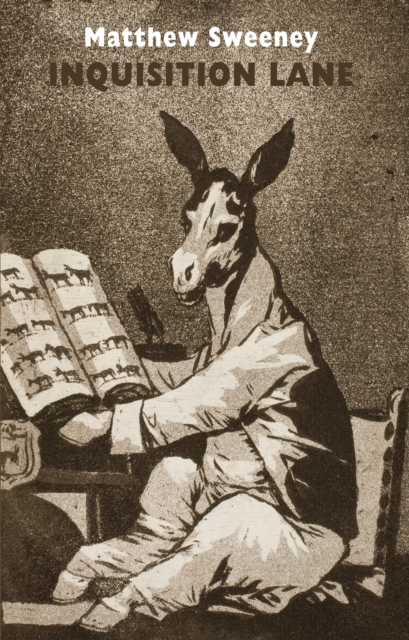
Matthew Sweeney's eleventh collection of poems is haunted by mortality, by other worlds and far-flung places, by visitations and violent events like the Spanish Inquisition.
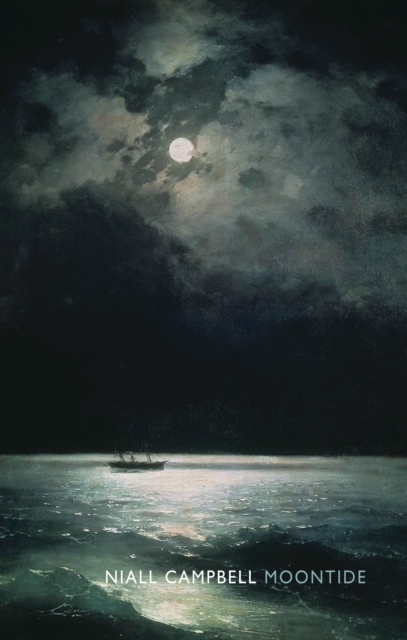
Niall Campbell grew up on South Uist in Scotland's Outer Hebrides, and his first collection, Moontide, is filled with images of the island's seascapes, its myths, its wildlife, and the long dark of its winters.
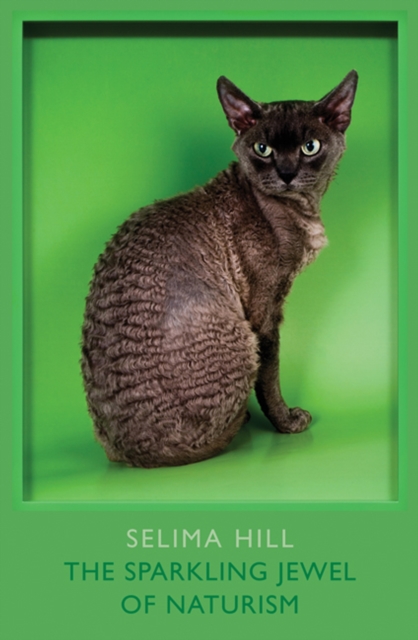
The Sparkling Jewel of Naturism brings together three seemingly unrelated poem sequences by 'this brilliant lyricist of human darkness' (Fiona Sampson).
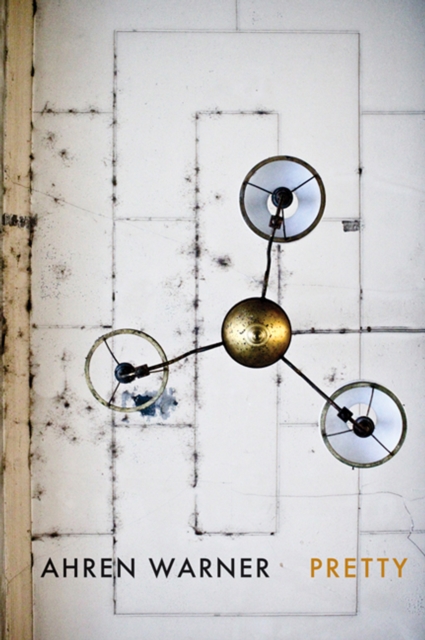
Ahren Warner's second collection of poems opens with the sequence Lutece, te amo: a raw paean to the Paris it inhabits that flits between past and present and offers both adoration and horror in equal measure.
Across one day in London, twelve elderly men and women sit in flats, walk, or wait, and speak about their histories, their hopes, their loves, their disappointments and griefs -and above all seek to express who they are and what their life has been.
Richard Murphy, now in his eighties, is one of Ireland's most distinguished poets, known particularly for poems drawing on the people and history of the west of Ireland with classical rigour and 'unvarnished' clarity.
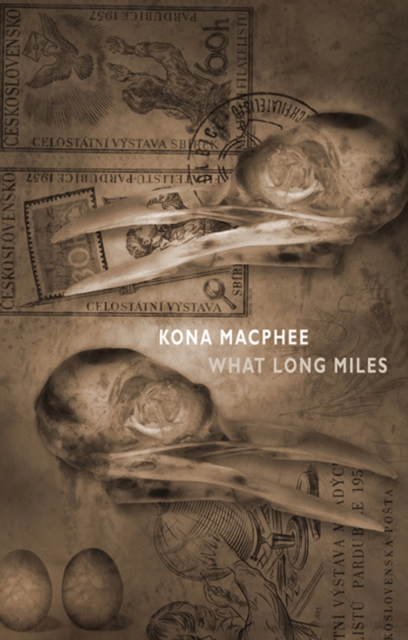
Kona Macphee's What Long Miles is a characteristically eclectic collection from an ever-inventive writer, the winner of the Geoffrey Faber Memorial Prize for her previous collection, Perfect Blue.
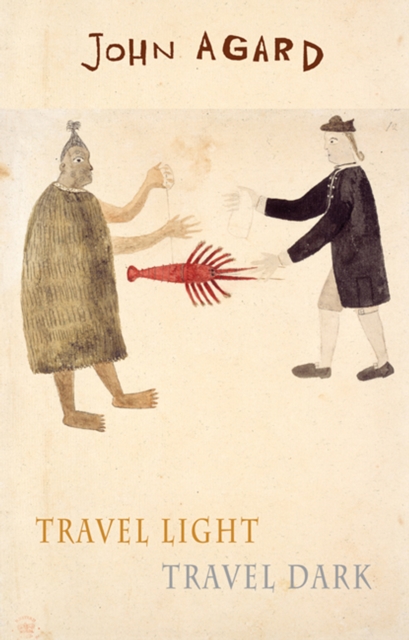
John Agard has been broadening the canvas of British poetry for the past 35 years with his mischievous, satirical fables which overturn all our expectations.
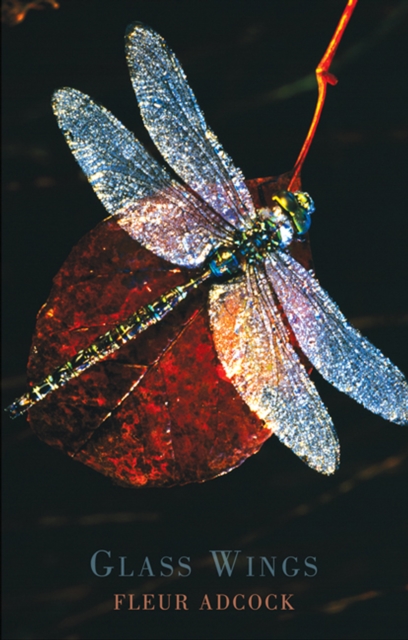
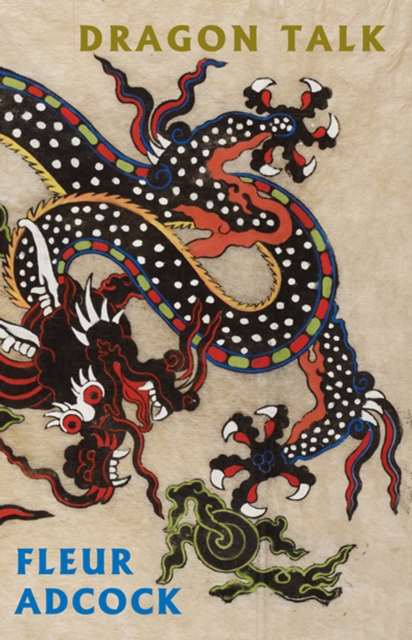
Fleur Adcock's title refers to the transparent, glittering wings of some of the species -bees, mosquitoes, dragonflies -celebrated or lamented in a sequence of poems on encounters with arthropods, from the stick insects and crayfish of her native New Zealand to the clothes' moths that infest her London house.
Matthew Sweeney's tenth collection of poems is as sinister as its dark forebears, but the notes he hits in Horse Music are lyrical and touching as well as disturbing and disquieting.
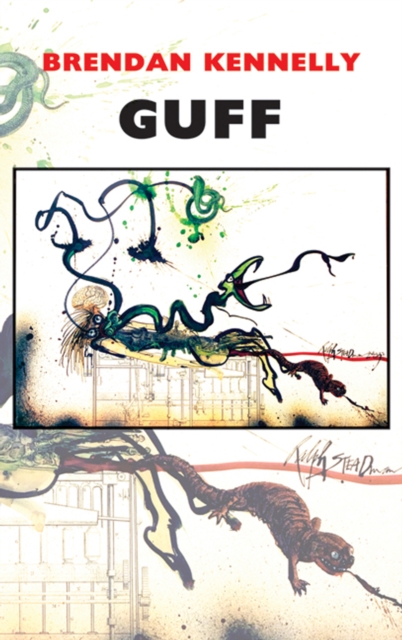
Brendan Kennelly's Guff is both mouthpiece and mouthed off, Devil's advocate and self critic, everyman and every writer consumed by self-doubt and self-questioning.
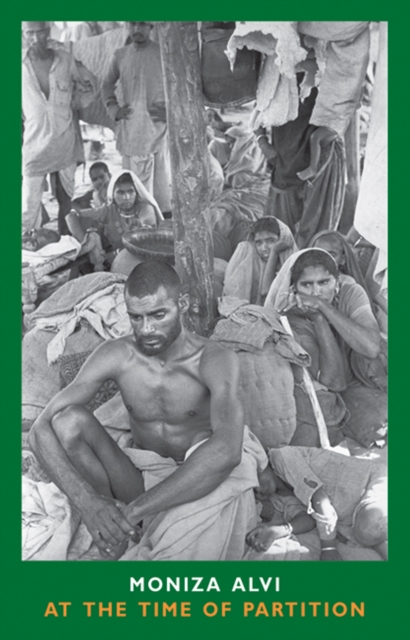
This book-length poem is set at the time of the partition of India and Pakistan in 1947 when thousands of people were killed in civil unrest and millions displaced, with families later split between the two countries.
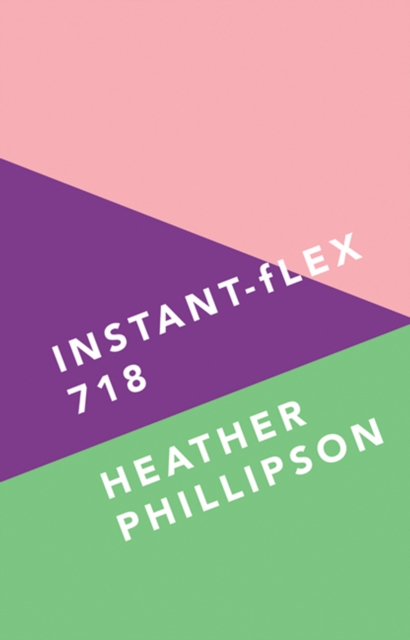
Issuing from the body-mind's grisly interwedge, Heather Phillipson's poems are a protest against well-stitched seams, an off-loading of intellectual baggage, a shout from the deep-ish channels of fear.
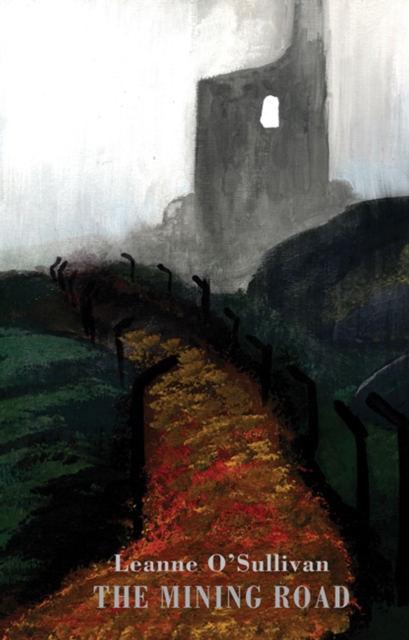
The Mining Road, Leanne O'Sullivan's third poetry collection, finds inspiration in the disused copper mines that haunt the rugged terrain around Allihies, near her home at Beara, in West Cork.
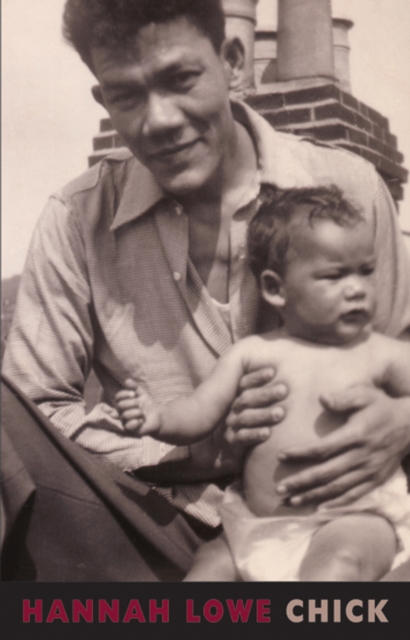
Hannah Lowe's first book of poems takes you on a journey round her father, a Chinese-black Jamaican migrant who disappeared at night to play cards or dice in London's old East End to support his family, an unstable and dangerous existence that took its toll on his physical and mental health.
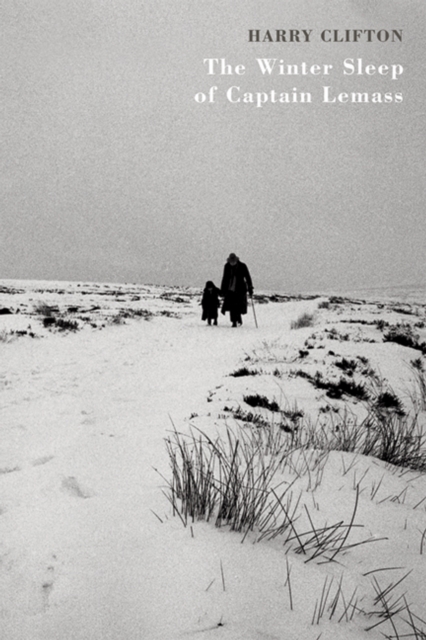
At once a reckoning with a lost political legacy, a meditation on love, marriage and middle age, and a reaching back into foreign ancestry, The Winter Sleep of Captain Lemass is Harry Clifton's fullest and most ambitious attempt so far to bring together, in a single book, the discordant elements of an evolving Ireland, as it discovers itself, through public and private destinies, in the 21st century.
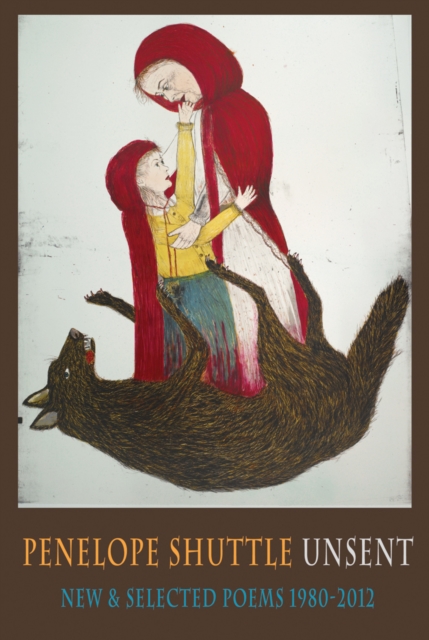
Adventurous, searching, interested in the luminous instant of reality that dwells in the perpetual now of the poem, Penelope Shuttle is a poet who clearly shares Picasso's view that 'If you know exactly what you're going to do, what's the point of doing it?
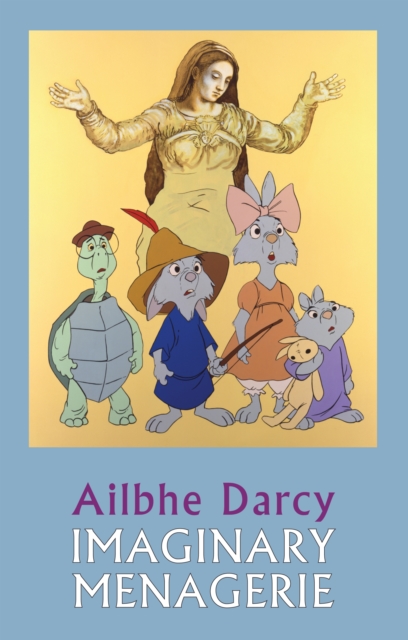
Ailbhe Darcy's debut collection is a set of urgent despatches from her point of origin, Dublin, and from her skirmishes further afield: London, Paris, Africa, Eastern Europe or the States.