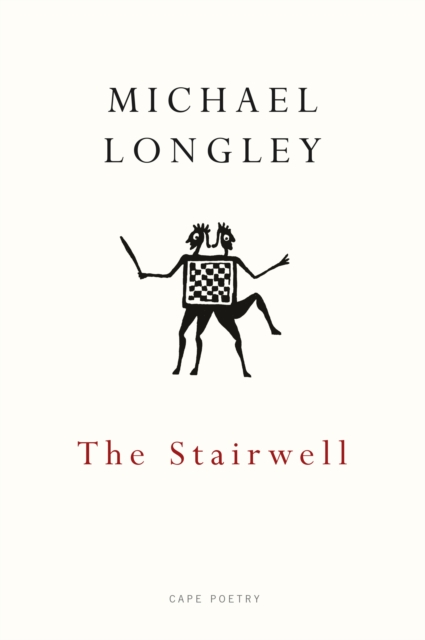
*AN IRISH TIMES BOOK OF THE YEAR*'I can't bear the thought of a world without Michael Longley, yet his poetry keeps hurtling towards that fact more and more urgently as it stretches in an unflinching way beyond comfort or certainty.
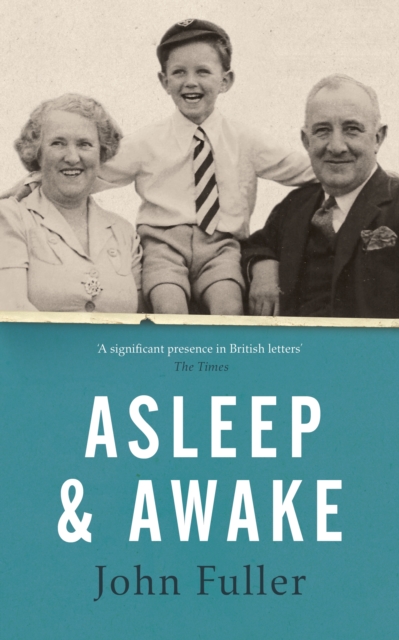
An elegantly jubilant and personal new collection celebrating love, life and creativity from award-winning poet and Booker Prize-shortlisted novelist, John FullerIn this personal and characteristically brilliant new collection from John Fuller, an abundance of memories abound.
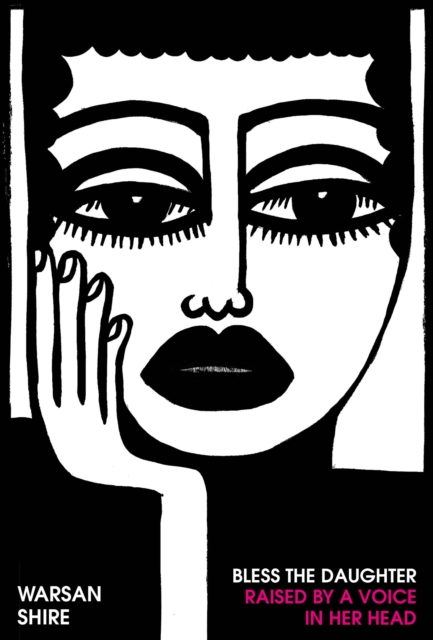
*SHORTLISTED FOR THE 2022 FELIX DENNIS PRIZE FOR BEST FIRST COLLECTION*** AS HEARD ON BBC RADIO 4**'Warsan Shire is an extraordinarily gifted poet whose profoundly moving poems so powerfully give voice to the unspoken' Bernardine Evaristo'Vital, moving and courageous, this is a debut not to be missed' Guardian__________Poems of migration, womanhood, trauma and resilience from the award-winning Somali British poet Warsan Shire, celebrated collaborator on Beyonc 's Lemonade and Black Is King.
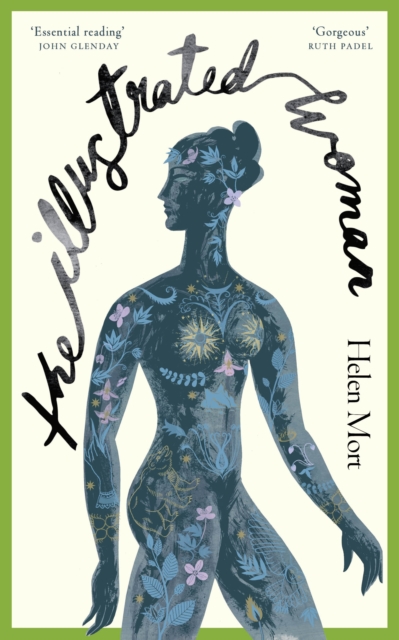
*SHORTLISTED FOR THE FORWARD PRIZE FOR BEST COLLECTION*'A raw, tender, potent collection' - JESSICA ANDREWS'Gorgeous poems - profound, exploratory, wild, playful - and completely now' - RUTH PADEL________The brilliant new collection from T.
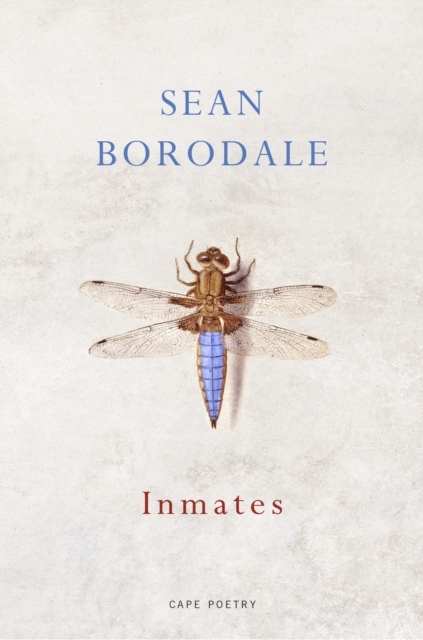
The poems of Inmates stage encounters with insects at sites and moments of their refuge, torpor, hatching or fighting, of traversing a floor in the night or climbing a wall, of their death and decay all in and around the house of the writer, with whom they are sharing time, as fellow inmates.
*Longlisted for the Swansea University Dylan Thomas prize 2021**Shortlisted for the Jhalak Prize 2021: A 'tour-de-force'**An Irish Times and Poetry School Book of the Year 2020*'A day will come when you won't missthe country na nagluwal sa 'yo.
**WINNER OF THE FORWARD PRIZE FOR BEST COLLECTION 2019****WINNER OF THE ROEHAMPTON PRIZE FOR BEST POETRY COLLECTION 2019**Violence hangs over this book like an electric storm.
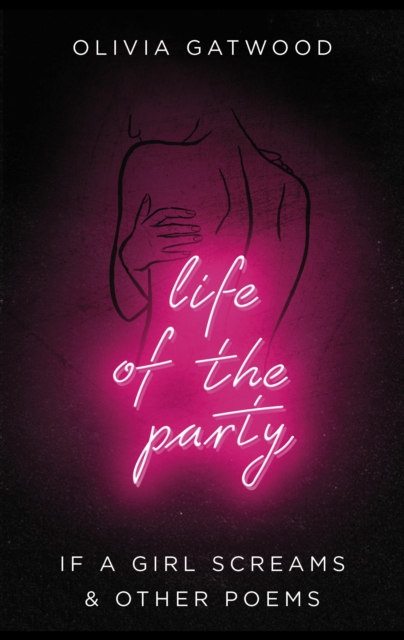
Yanked every emotion on the spectrum out of me JAMIE LOFTUSIn this powerful, candid collection, Olivia Gatwood explores the trials and triumphs of growing up as a woman.
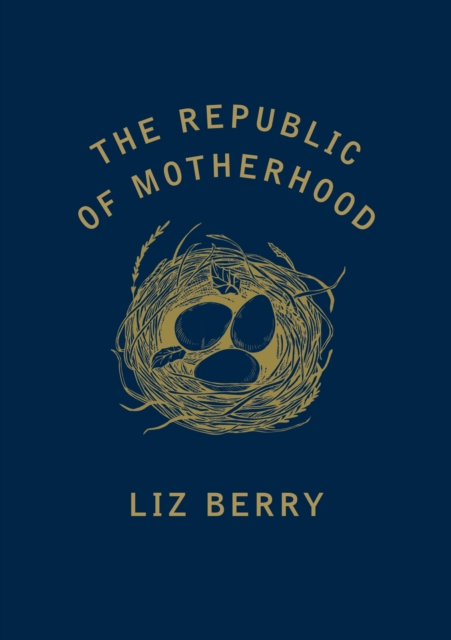
*'The Republic of Motherhood' Winner of the Forward Prize for Best Single Poem* I crossed the border into the Republic of Motherhoodand found it a queendom, a wild queendom.
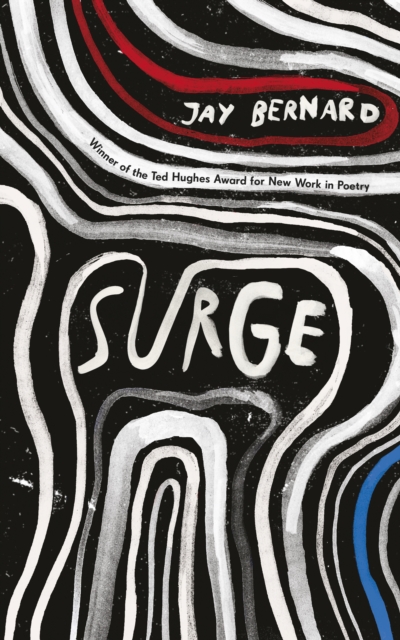
**Winner of the 2020 Sunday Times/University of Warwick Young Writer of the Year Award**Jay Bernard's extraordinary debut is a fearless exploration of the New Cross Fire of 1981, a house fire at a birthday party in which thirteen young black people were killed.
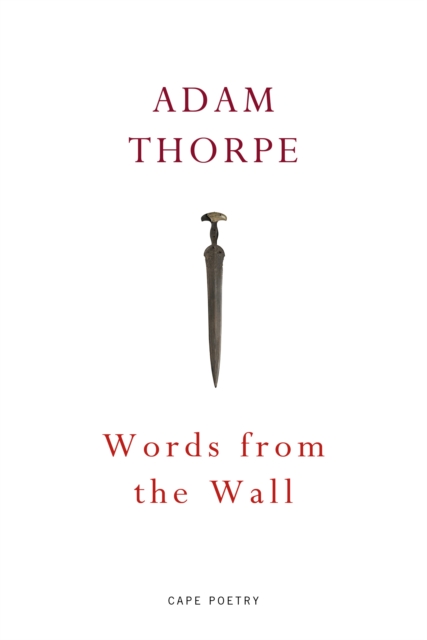
These remarkable poems are despatches from the edges of experience: from the remote coast of northern Iceland where tree-trunks and dead whales lie beached, to the furthest outposts of the Roman empire in the title poem From the very limit of the world,/Flavius sends you greetings, my lord.
**WINNER OF THE COSTA POETRY AWARD 2018****SHORTLISTED FOR THE 2018 FORWARD PRIZE FOR BEST COLLECTION**A war-poem both historic and frighteningly topical, Assurances begins in the 1950s during a period of vigilance and dread in the middle of the Cold War: the long stand-off between nuclear powers, where the only defence was the threat of mutually assured destruction.
*WINNER OF THE FORWARD PRIZE FOR BEST COLLECTION 2018**A Finalist for the National Book Award for Poetry 2017**A Financial Times and Telegraph Book of the Year 2018* [Smith s] poems are enriched to the point of volatility, but they pay out, often, in sudden joy The New Yorker Award-winning poet Danez Smith is a ground-breaking force, celebrated for deft lyrics, urgent subjects, and performative power.
*Winner of the Dylan Thomas Prize 2018**Winner of the Somerset Maugham Award 2018*'A brilliant debut - a tender, nostalgic and, at times, darkly hilarious exploration of black boyhood, masculinity and grief.
* A Poetry Book Society Recommendation 2016*'When we climb aloneen cord e feminine,we are magicians of the Alps we make the routes we followdisappear'The poems of Helen Mort's second collection offer an unforgettable perspective on the heights we scale and the distances we run, the routes we follow and the paths we make for ourselves.
WINNER OF THE LIFETIME ACHIEVEMENT IRISH BOOK AWARD 2014Paul Durcan never imagined he would be clasped by a woman again, but life is full of surprises!
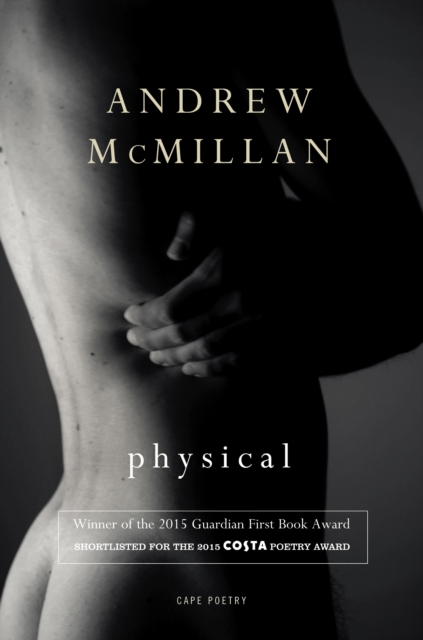
*Winner of the 2015 Guardian First Book Award*Raw and urgent, these poems are hymns to the male body to male friendship and male love muscular, sometimes shocking, but always deeply moving.
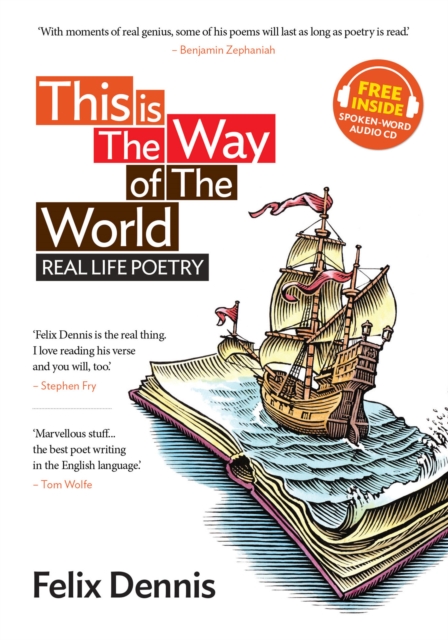
This Is The Way Of The World is a collection of poems specially selected by the author to encourage adults who lack confidence in their reading skills and to introduce new readers to the world of poetry.
From the breakout author of There Are More Beautiful Things Than Beyonc comes a profound and deceptively funny exploration of Black American womanhood.
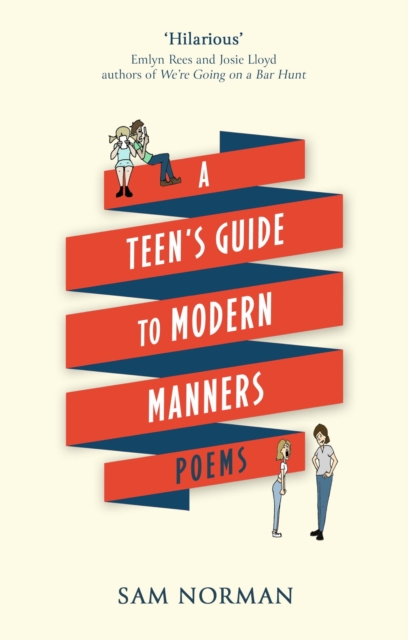
There's little that's been written yetConcerning teenage etiquette,So as a sort of useful guideSome gruesome cases lie insideOf teenagers who lost their wayAnd ultimately had to pay.
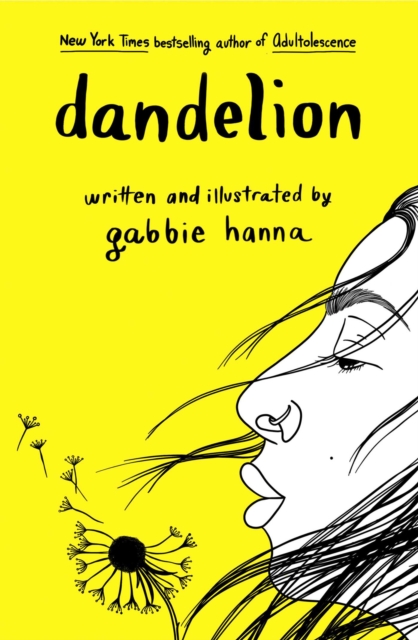
From brilliant spins on childrens rhymes to gut-punching mic-drops of truth to darkly funny dispatches from Rock Bottom, Gabbie's poems are a front-row seat to the sideshow that is her mind: her fears, insecurities, and the battles she wages withherself and the universe on a daily basis that serve as cathartic mirrors to our own.