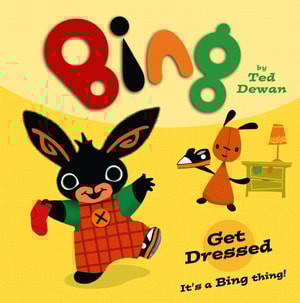
The first in an exciting new relaunch of Ted Dewan's Bing books - resized and beautifully produced for the next generation of toddlers - paving the way for Bing's TV debut in 2014.
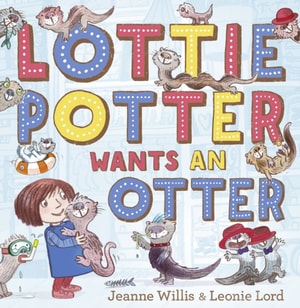
A feel-good, rhyming picture book, packed full of outrageously funny otters from multi-award-winning author, Jeanne Willis, with hilarious illustrations by Leonie Lord.
***WITH AUDIO NARRATION***Step into the exquisite miniature world of the mice of Brambly Hedge in this beautiful new edition of the classic picture book.
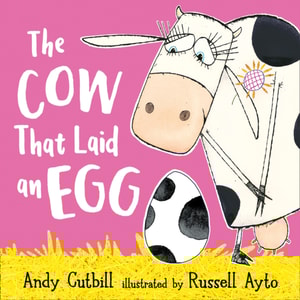
A hilarious farmyard story about having the courage of one's convictions, even when others doubt you, from the creator of 'Albie', Andy Cutbill, and the award-winning illustrator, Russell Ayto.
The essential guide to writing English, this book will help you to develop your written communication skills and to use language to express yourself clearly and correctly.
A sweet collection of snuggle-time rhymes that leads children through 1 Corinthians 13 and shows them that love is patient, kind, and never, ever fails.
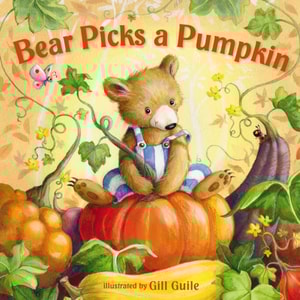
Snuggle up in the cool fall weather with a cozy blanket, a pumpkin spice latte, and your little one as you follow the whimsical, rhyming quest of Bear on his way to find the perfect pumpkin.
From the creators of the wildly popular book Ten Little Night Stars, comes Ten Little Fireflies, a board book that introduces little ones to numbers as they count down to bedtime.
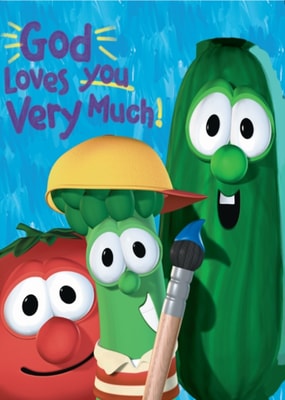
On each page of this fun, rhyming, board book shaped like Bob and Larry, kids meet their favorite VeggieTales characters who encourage them to remember that God loves them very much.