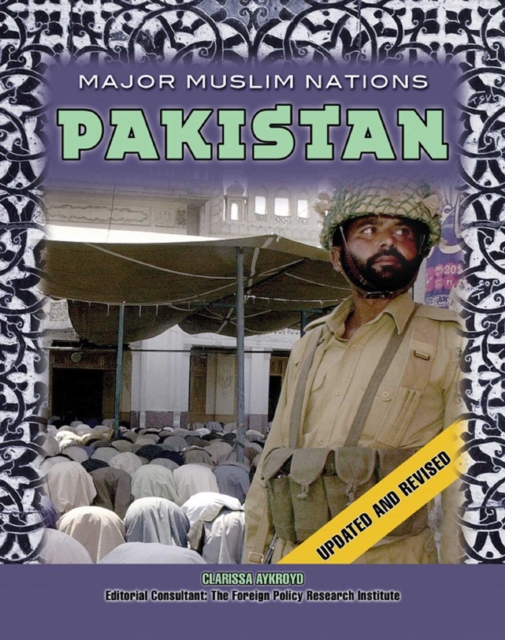
When the British Empire partitioned its Indian colony in 1947, it created two independent states: India, where most people were Hindus, and Pakistan, where most were Muslims.
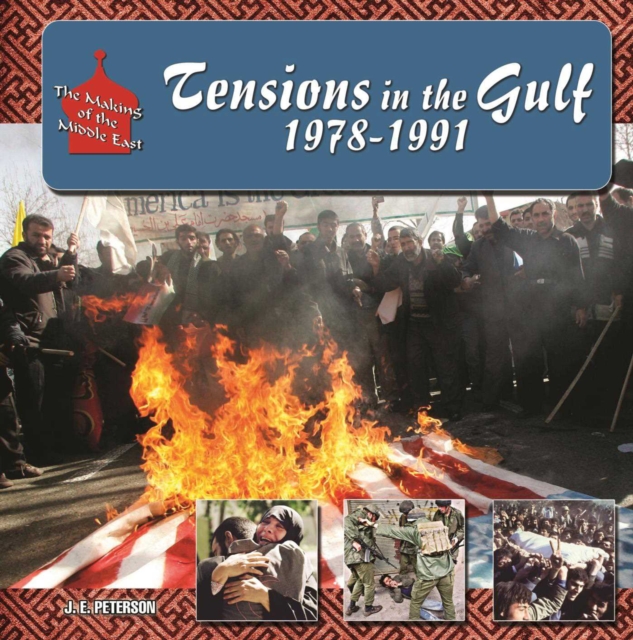
Tensions in the Gulf, 1978-1991 examines events in the Persian Gulf region from the time Saddam Hussein came to power in Iraq through the conclusion of the 1991 Gulf War.
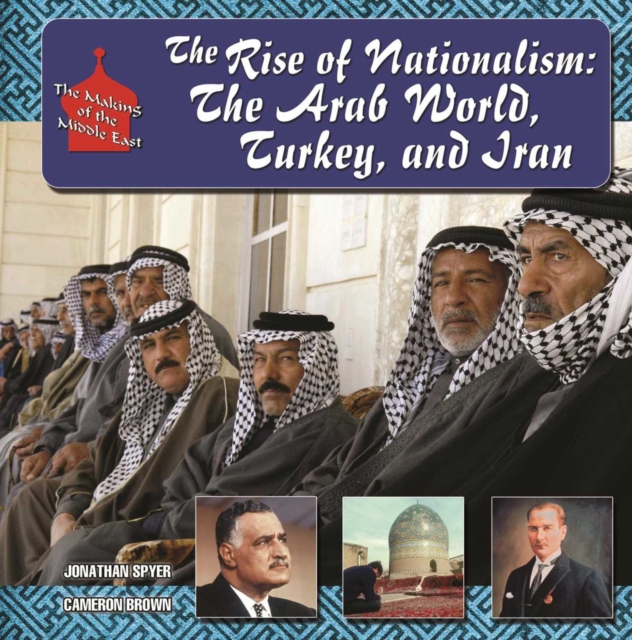
The Rise of Nationalism: The Arab World, Turkey, and Iran examines the ideological background of nationalist movements in the Middle East, including Jewish nationalism in Palestine, tracing the way these movements grew and developed.
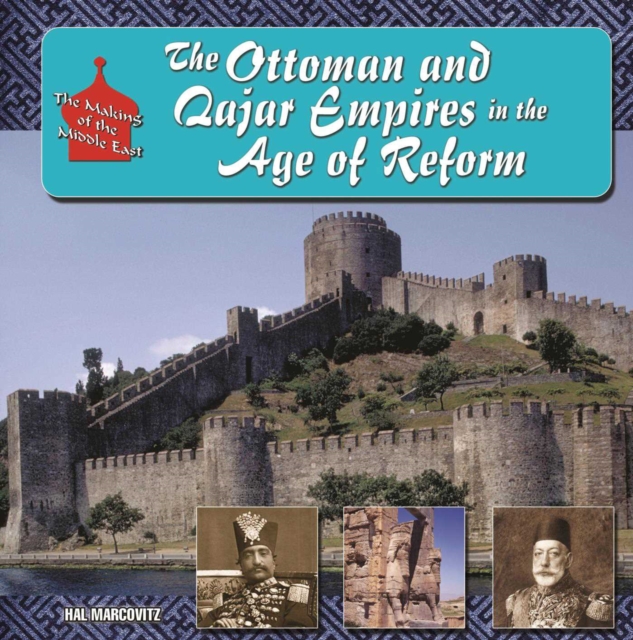
The Ottoman and Qajar Empires in the Age of Reform examines the two major Muslim influences on the region, discussing the effect of incursions by European powers and the internal reforms undertaken by Ottoman and Qajar leaders in response during the late 19th and early 20th centuries.
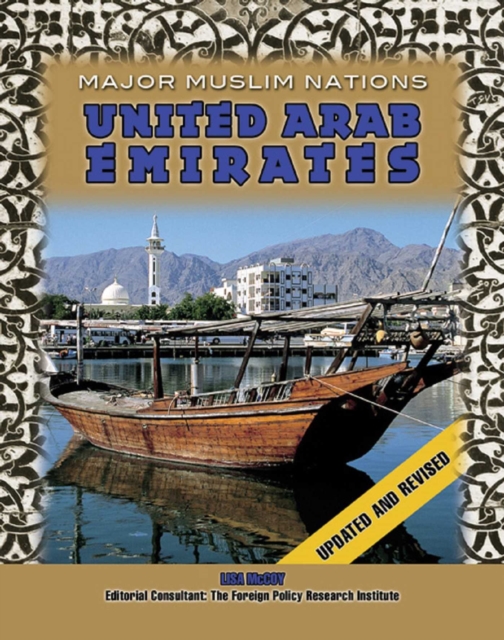
The United Arab Emirates is a federation made up of seven small kingdoms--Abu Dhabi, Dubai, Sharjah, Ajman, Umm al-Qaiwain, al- Fujairah, and Ras al-Khaimah--located on the coast of the Arabian Peninsula.
The Iranian Revolution and the Resurgence of Islam examines the history and ideology of the modern Islamist movement, discussing the Iranian Revolution, other examples of revolutionary Islamism during the 1980s and 1990s, and the state of jihadism today.
The Cold War in the Middle East, 1950-1991 examines American and Soviet involvement in the Middle East, and how each superpower's policies and alliances contributed to its overall Cold War strategies.
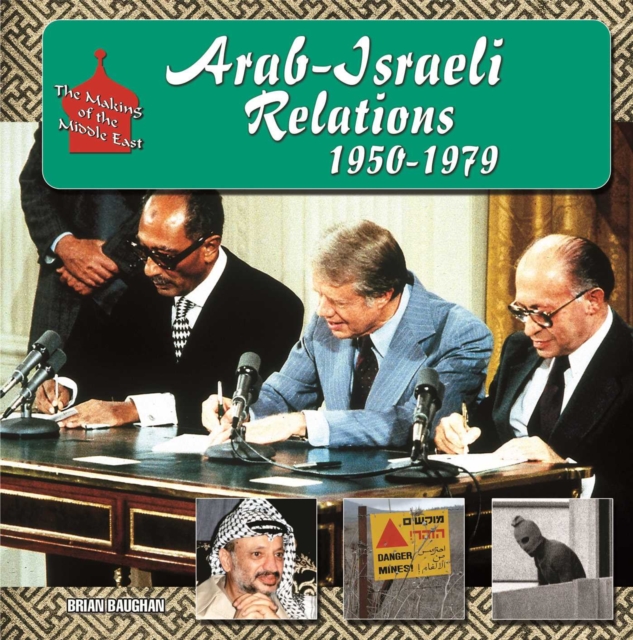
Arab-Israeli Relations, 1950-1979 examines the history of relations between Israel and its Arab neighbors, discussing such important events as the 1956 Suez Canal crisis, the June 1967 War, and the 1978 Camp David Accords.
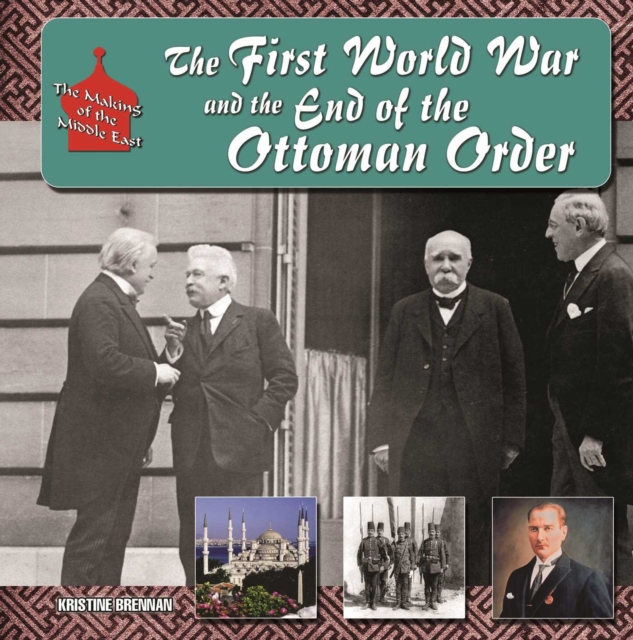
The First World War and the End of the Ottoman Order examines the social and political events of the 19th and early 20th centuries that brought the Ottomans into the First World War on the side of the Central Powers, discusses the division of the empire at the 1919 Paris Peace Conference, and explains the formation of modern Turkey.
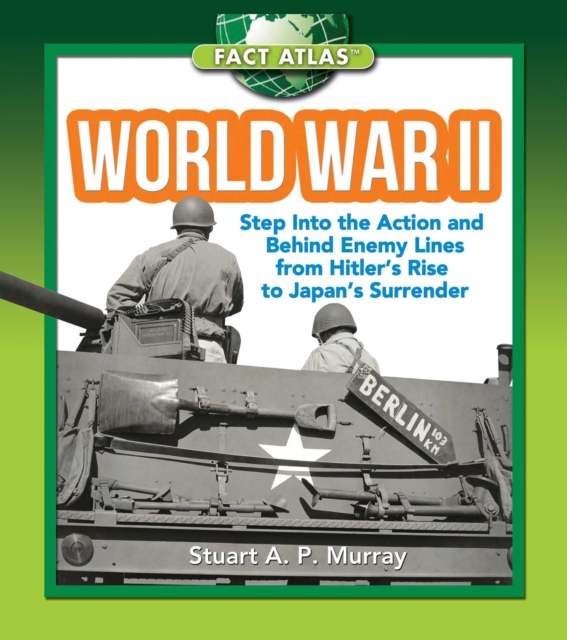
The Fact Atlas series offers an age-appropriate overview of the historic and world-changing events of World War II, covering everything from the rise of Hitler and Nazism to the tragedy of the Holocaust and its long-lasting effects.
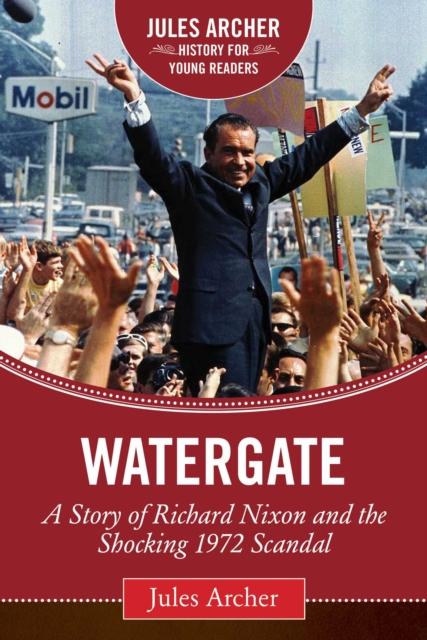
With expert storytelling skills, historian Jules Archer recounts the complete story of Watergate, from that first fateful predawn Saturday morningJune 18, 1972when night watchman Frank Willis discovered burglars inside the headquarters of the Democratic National Committee to President Richard Nixons disgraced resignation two years later.
"e;The Awakening of Europe"e; covers the reformation in Germany, the Netherlands, France, and England, as well as the settlement of colonies in America.
While reading National Mall, students will learn about the "e;Great Park of the American People"e; and its historic significance as a symbol of freedom.