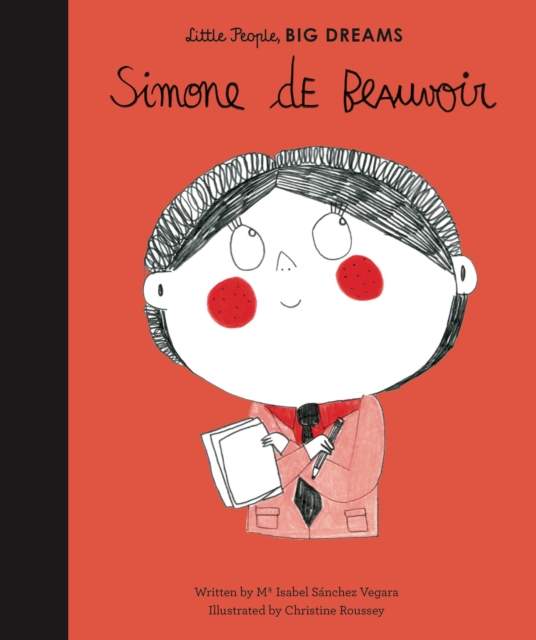
New in the critically acclaimed Little People, BIG DREAMS series, discover the incredible life of Simone de Beauvoir, the great French philosopher and mother of feminism.
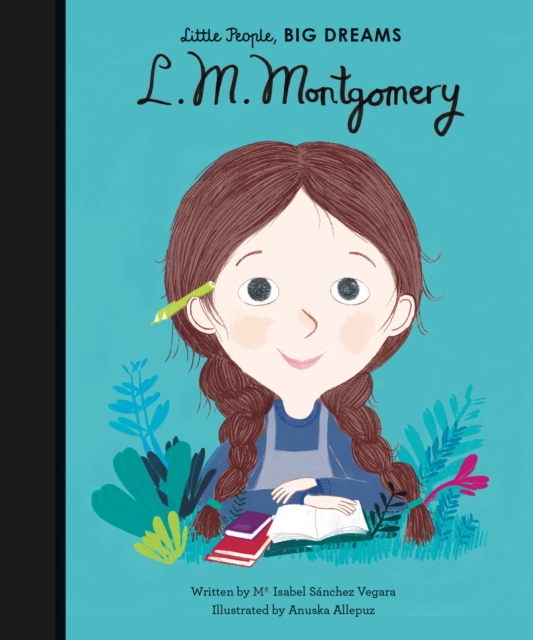
From the critically acclaimed Little People, BIG DREAMS series, discover the incredible life of Lucy Maud Montgomery, the famous Canadian author of Anne of Green Gables.
The Hunger Games movie, based on the internationally-bestselling novel of the same name, has smashed box office records grossing nearly $700m worldwide - and future installments of the series are hotly anticipated.
Expert guidance on exploring and choosing a professional careerIdeal for college-bound students or anyone thinking about making a career change, the VGM Professional Careers series offers all the information career seekers need to explore and choose a profession and then narrow it down to a job that suits them.
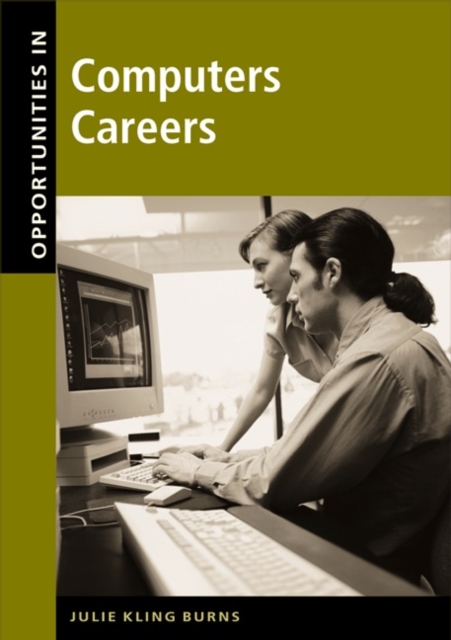
Opportunities In Computer Careers offers job seekers essential information about a variety of careers within the computer field and includes training and education requirements, salary statistics, and professional and Internet resources.
Everything parents need to help their kids succeed in social studiesThe only comprehensive social studies skill-building series available, the Get Ready!
Everything parents need to help their kids succeed in social studiesThe only comprehensive social studies skill-building series available, the Get Ready!
Everything parents need to help their kids succeed in social studiesThe only comprehensive social studies skill-building series available, the Get Ready!
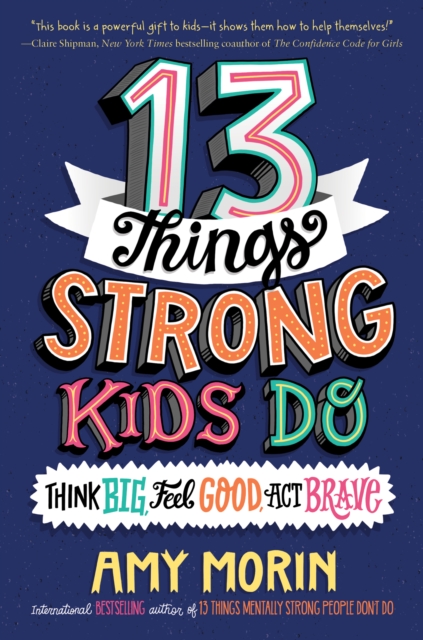
The internationally bestselling author of 13 Things Mentally Strong People Don't Do, Amy Morin, empowers tweens, teaching them how to think, feel, and act stronger than ever!
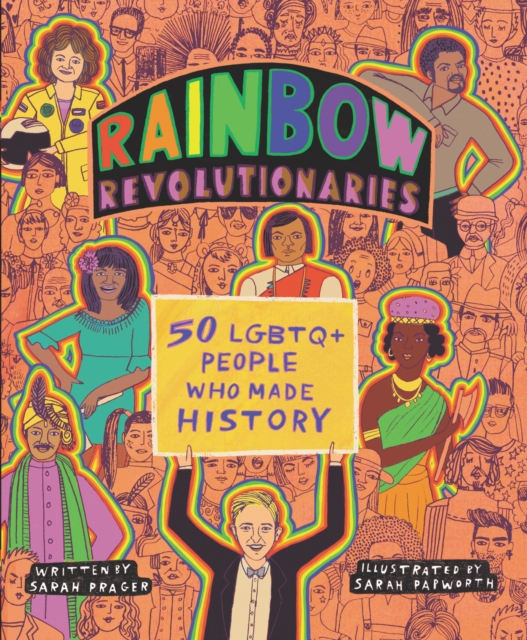
One ofTime Out'sLGBTQ+ books for kids to read during Pride Month,thisgroundbreaking, pop-culture-infused illustrated biography collection takes readers on an eye-opening journey through the lives of fifty influential queer figures who have made a mark on every century of human existence.
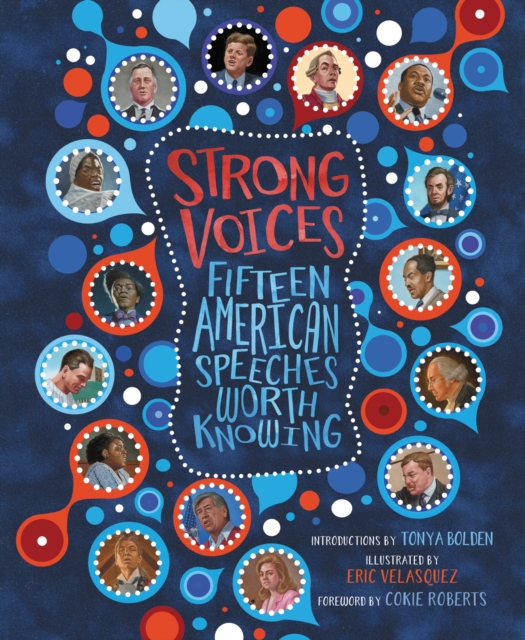
Strong Voices: Fifteen American Speeches Worth Knowingis a collection of significant speeches, made both by those who held the reins of power and those who didnt, at significant times in American history.
Exam board: Pearson Edexcel; OCRLevel: AS/A-levelSubject: HistoryFirst teaching: September 2015First exams: Summer 2016 (AS); Summer 2017 (A-level)Put your trust in the textbook series that has given thousands of A-level History students deeper knowledge and better grades for over 30 years.
Exam board: AQA; OCRLevel: AS/A-levelSubject: HistoryFirst teaching: September 2015First exams: Summer 2016 (AS); Summer 2017 (A-level)Put your trust in the textbook series that has given thousands of A-level History students deeper knowledge and better grades for over 30 years.
Exam board: Pearson Edexcel; OCRLevel: AS/A-levelSubject: HistoryFirst teaching: September 2015First exams: Summer 2016 (AS); Summer 2017 (A-level)Put your trust in the textbook series that has given thousands of A-level History students deeper knowledge and better grades for over 30 years.
Exam board: AQA; Pearson Edexcel; OCRLevel: AS/A-levelSubject: HistoryFirst teaching: September 2015First exams: Summer 2016 (AS); Summer 2017 (A-level)Put your trust in the textbook series that has given thousands of A-level History students deeper knowledge and better grades for over 30 years.
Exam board: WJECLevel: AS/A-levelSubject: HistoryFirst teaching: September 2015First exams: Summer 2016 (AS); Summer 2017 (A-level)Put your trust in the textbook series that has given thousands of A-level History students deeper knowledge and better grades for over 30 years.
Exam board: AQA; Pearson Edexcel; OCRLevel: AS/A-levelSubject: HistoryFirst teaching: September 2015First exams: Summer 2016 (AS); Summer 2017 (A-level)Put your trust in the textbook series that has given thousands of A-level History students deeper knowledge and better grades for over 30 years.
Exam board: AQALevel: GCSESubject: HistoryFirst teaching: September 2016First exams: Summer 2018Trust the power of cognitive science to help students to understand more, remember more and feel more confident about their exams.
Exam board: AQALevel: GCSESubject: HistoryFirst teaching: September 2016First exams: Summer 2018Trust the power of cognitive science to help students to understand more, remember more and feel more confident about their exams.
Exam board: AQALevel: GCSESubject: HistoryFirst teaching: September 2016First exams: Summer 2018Trust the power of cognitive science to help students to understand more, remember more and feel more confident about their exams.
Exam board: AQALevel: AS/A-levelSubject: HistoryFirst teaching: September 2015First exams: Summer 2016 (AS); Summer 2017 (A-level)Put your trust in the textbook series that has given thousands of A-level History students deeper knowledge and better grades for over 30 years.
Exam board: OCRLevel: AS/A-levelSubject: HistoryFirst teaching: September 2015First exams: Summer 2016 (AS); Summer 2017 (A-level)Put your trust in the textbook series that has given thousands of A-level History students deeper knowledge and better grades for over 30 years.
Exam board: AQA; OCRLevel: AS/A-levelSubject: HistoryFirst teaching: September 2015First exams: Summer 2016 (AS); Summer 2017 (A-level)Put your trust in the textbook series that has given thousands of A-level History students deeper knowledge and better grades for over 30 years.
Exam board: AQA; Pearson Edexcel; OCRLevel: AS/A-levelSubject: HistoryFirst teaching: September 2015First exams: Summer 2016 (AS); Summer 2017 (A-level)Put your trust in the textbook series that has given thousands of A-level History students deeper knowledge and better grades for over 30 years.
A New York Public Library Best Book of 2017 * A Chicago Public Library Best of the Best Book for Teens 2017This first-ever LGBTQ history book of its kind for young adults will appeal to fans of fun,empowering pop-culture books likeRad American Women A-Z and Notorious RBG.
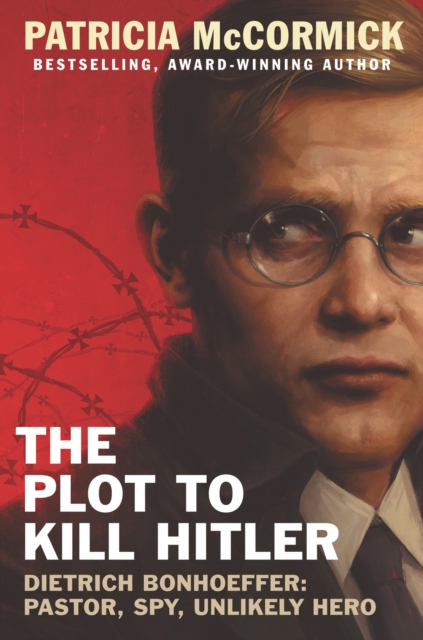
Perfect for fans of suspenseful nonfiction such as books by Steve Sheinkin, this is a page-turning narrative about Dietrich Bonhoeffer, a pastor and pacifist who became an unlikely hero during World War II and took part in a plot to kill Hitler.
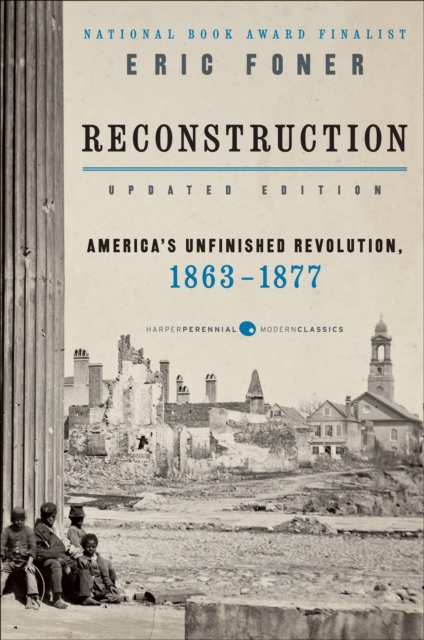
From the "e;preeminent historian of Reconstruction"e; (New York Times Book Review), the prize-winning classic work on the post-Civil War period that shaped modern America.
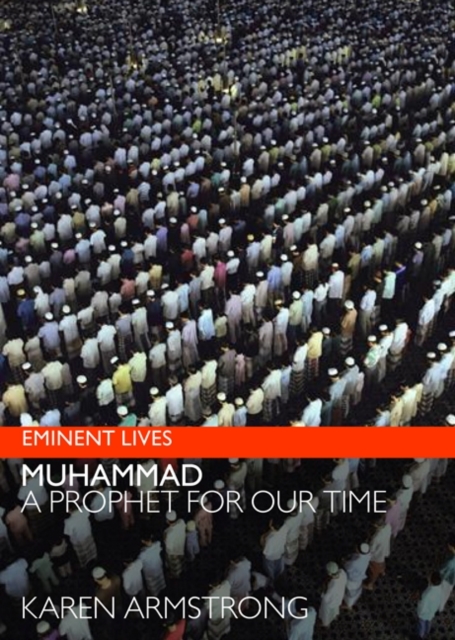
New York Times-Bestselling Author: This biography of the man who inspired the world's fastest-growing religion "e;paints a portrait of a very human prophet"e; (The Wall Street Journal).
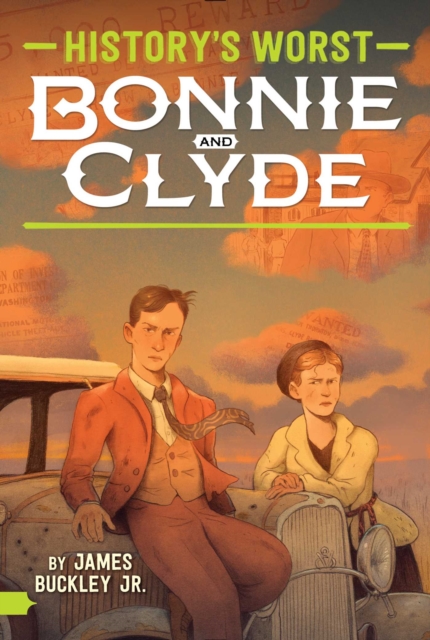
Get a behind-the-scenes glimpse of what it takes to be considered two of the worst figures in history, with the third book in this nonfiction series that focuses on the most despicable historical figures.
In this hilarious guide full of honest, real-life experiences, veteran teacher Luke Reynolds skillfully and humorously shows kids how to not only survive, but thrive and even enjoy the wild adventure that is middle school.