Graphic illustrator Simon Tyler explores the extremes of our planet - and the people who venture there - in his bold and colourful styleFollowing on from the magnificent Adventures in Space, comes a compendium on a topic closer to home - our planet, the Earth.
From magic to monsters to amazing heroes-world mythology for kids ages 6 to 9Myths are stories that have been told over hundreds of years to help explain why the world works the way it does.
50 important events that shaped world history-for kids 8 to 12 Learning about history helps us understand how we got where we are today-and how to make the world a better place.
Make gratitude part of every day with this storybook for kids ages 1 to 3 It's never too early for kids to learn the power of gratitude-and this storybook shows them how good it feels to be thankful.
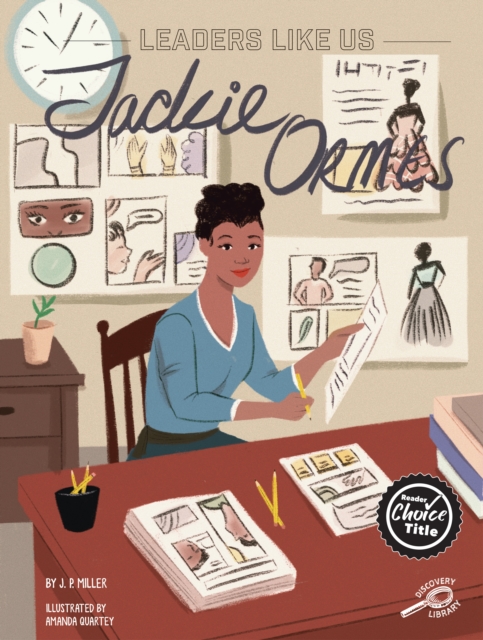
Book Features:* Ages 6-10, Grades 1-4* 24 pages, 7 1/2 inches x 10 inches* Simple, easy-to-read pages with full-color illustrations* Includes a time line and extension activity* Reading/teaching tips and discussion questions includedLeader in Comics: In Leaders Like Us: Jackie Ormes, 1st-4th graders learn about the dedication, talent, and artistic abilities of Ormes who became the first syndicated female African American cartoonist.
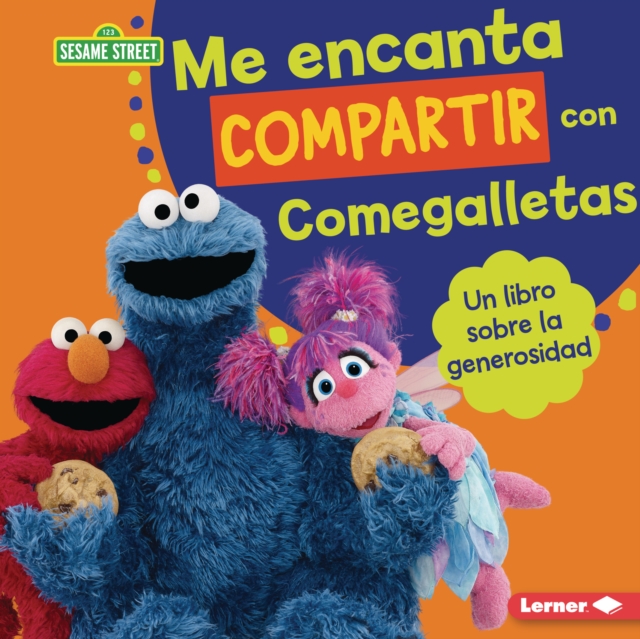
Comegalletas es amigo de todos en Sesame Street, y a los niños les encantará aprender cómo compartir juguetes, ayudar a los demás y ser un buen amigo con este monstruo peludo y divertido.
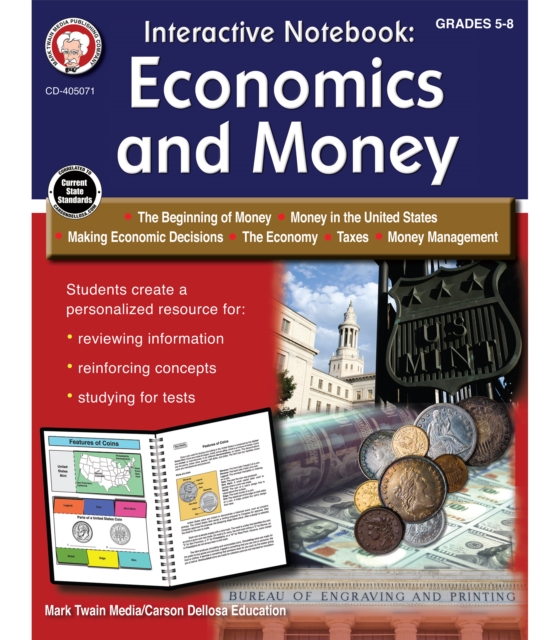
Notebook Features:* 64 pages, about 8 inches x 11 inches* Ages 10-14, grades 5-8* Covers the beginnings of money, making smart financial decisions, and money management* Helps students record, store, and organize information for review/test prep* Correlated to state standardsHands-On Learning: The Economics and Money Interactive Notebook helps 5th-8th graders create their own social studies resource.
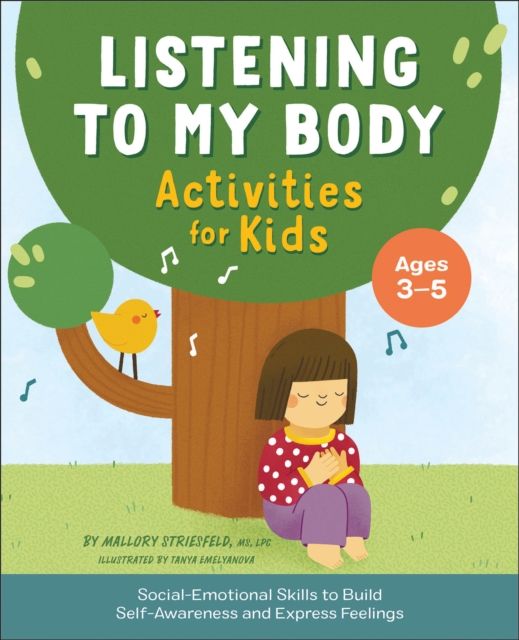
Help kids ages 3 to 5 build self-awareness and emotional regulation through fun activitiesLittle ones can have a lot of big feelings and learning how to identify and regulate them is a key part of development.
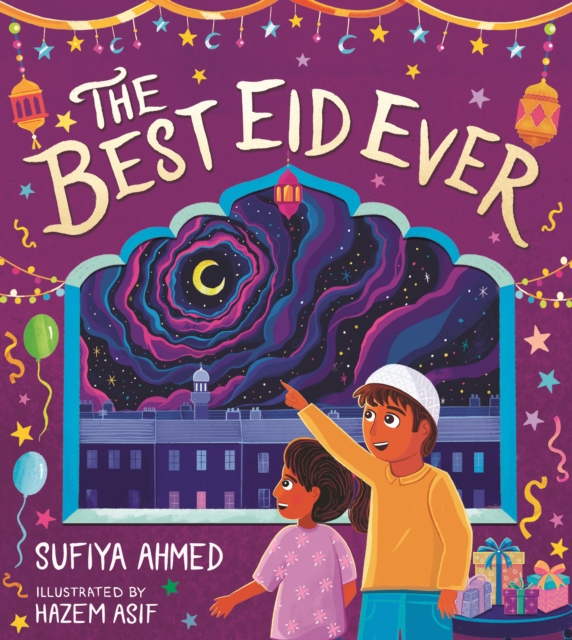
A gorgeous picture book to introduce children to Ramadan and Eid al-Fitr written by acclaimed children's author Sufiya Ahmed with beautiful, colourful illustrations by Hazem Asif.