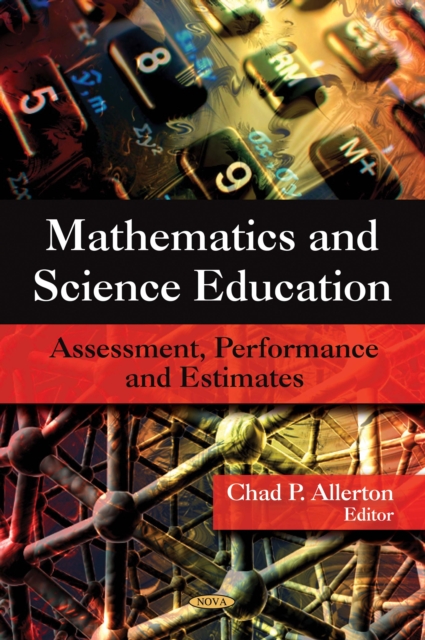
'Mathematics and Science Education' presents important studies dealing with a segment of education which is closely related to both national security and technological progress in the 21st century.
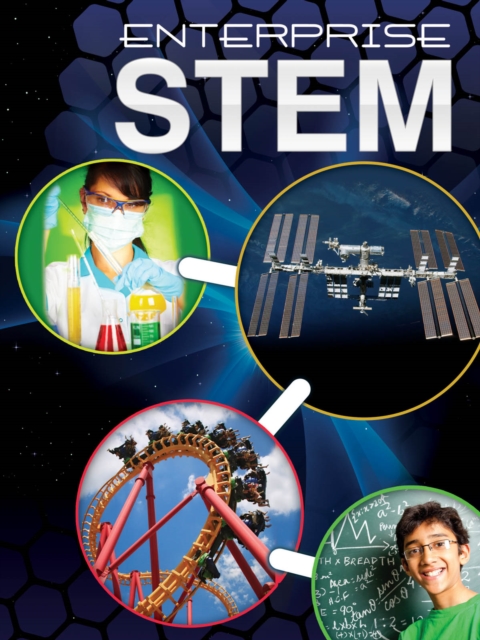
In Enterprise STEM, students will learn about the relationship among science, technology, engineering, and math, and the scientists and engineers who work to complete tasks.
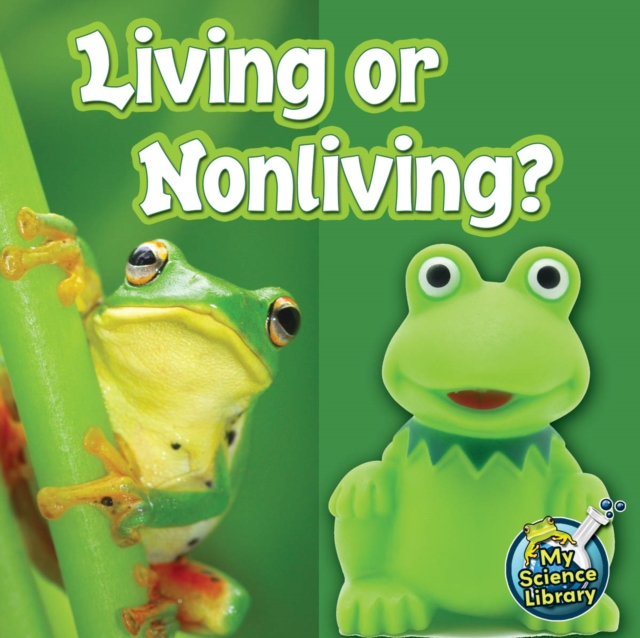
Book Features:* 24 Pages, 8 inches x 8 inches* Ages 6-7, Grades 1-2 Leveled Readers, Lexile 350L* Simple, easy-to-read pages with vibrant images* Features a teaching focus on phonics for young readers* Includes bolded vocabulary words, an index, and post-reading questions for comprehensionBring Learning to Life: In Living Or Nonliving?
Book Features:* 24 Pages, 8 inches x 8 inches* Ages 6-7, Grades 1-2 Leveled Readers, Lexile 470L* Simple, easy-to-read pages with vibrant images* Features a teaching focus on phonics for young readers* Includes bolded vocabulary words, an index, and post-reading questions for comprehensionBring Learning to Life: In Floating and Sinking, first-second graders learn about different materials and shapes that either float or sink in water.
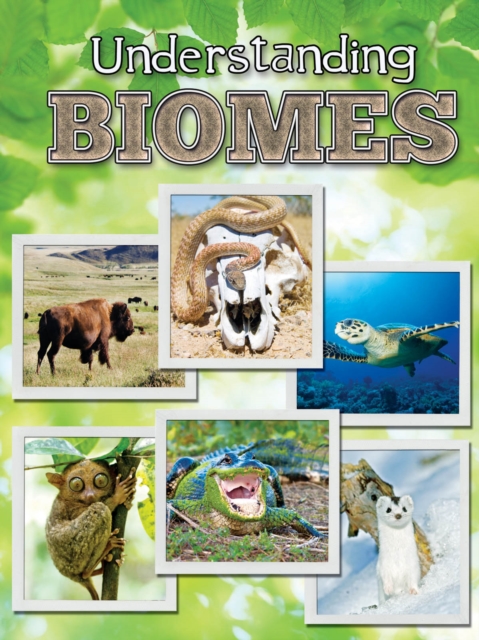
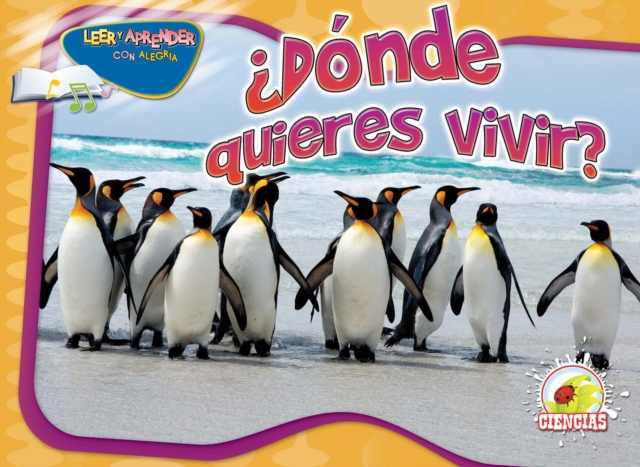
Book Features:* 24 Pages, 8 inches x 8 inches* Ages 6-7, Grades 1-2 Leveled Readers, Lexile 560L* Simple, easy-to-read pages with vibrant images* Features a teaching focus on phonics for young readers* Includes bolded vocabulary words, an index, and post-reading questions for comprehensionBring Learning to Life: In Animal Habitats, first-second graders learn about different species of animals and the habitats that they call home!
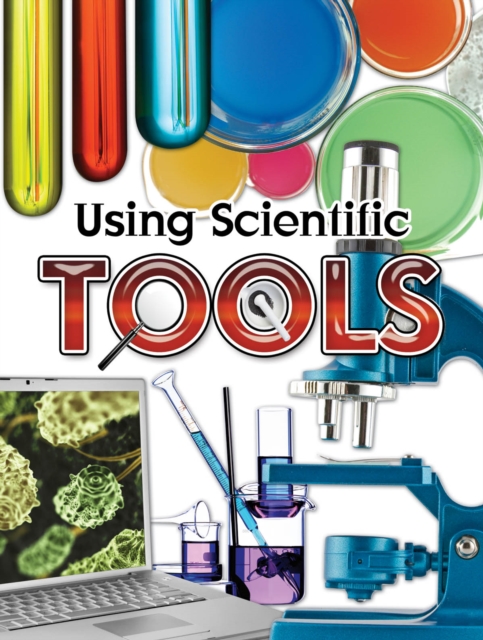
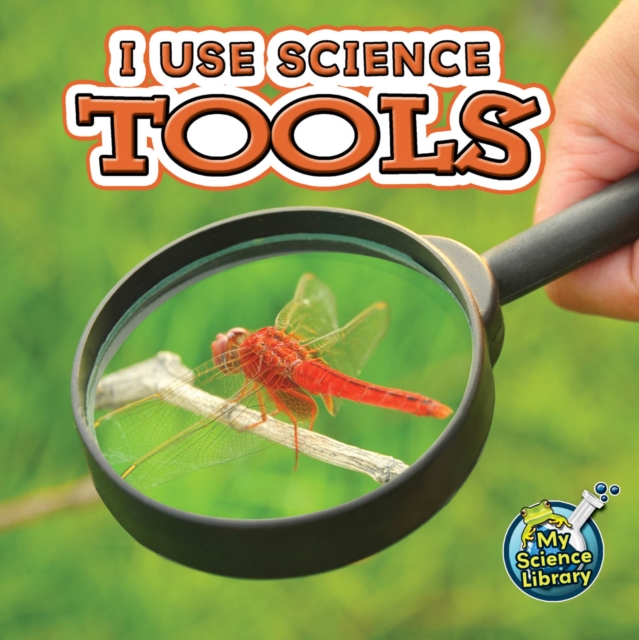
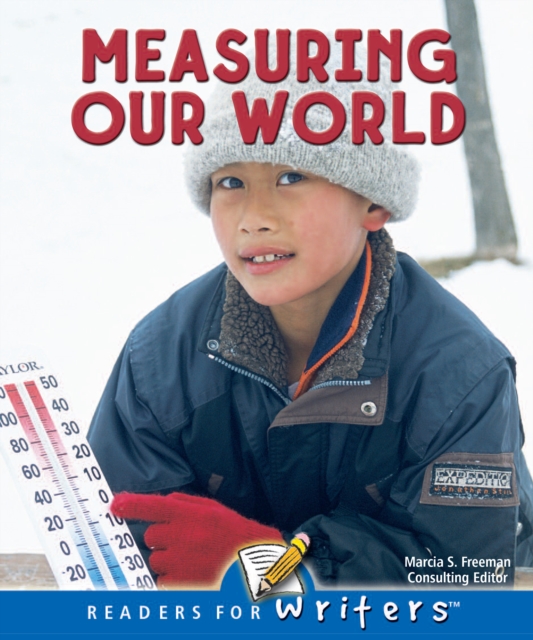
Book Features:* 24 Pages, 8 inches x 8 inches* Ages 5-6, Grades K-1 Leveled Readers, Lexile 410L* Simple, easy-to-read pages with vibrant images* Features a teaching focus on phonics for young readers* Includes bolded vocabulary words, an index, and post-reading questions for comprehensionBringing Learning to Life: In I Use Science Tools, kindergarten-first graders learn about different scientific instruments and how they can be used to study science.