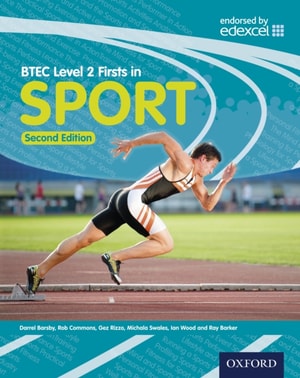
BTEC Level 2 Firsts in Sport Student Book: Second Edition has been fully revised to match the new BTEC specification for first teaching September 2013.
Dance Education redefines the nature of dance pedagogy today, setting it within a holistic and encompassing framework, and argues for an approach to dance education from a soci-cultural and philosophical perspective.
Dance Education redefines the nature of dance pedagogy today, setting it within a holistic and encompassing framework, and argues for an approach to dance education from a soci-cultural and philosophical perspective.
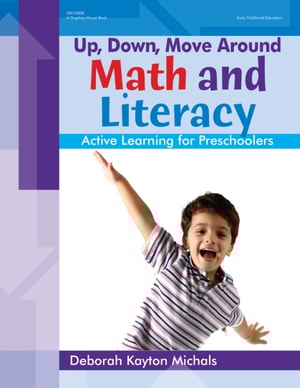
In this much-needed book, you'll learn how incorporating physical activity into the classroom can improve students' engagement, achievement, and overall wellness.
Dynamic Physical Education for Secondary School Students provides secondary school physical education pre-service teachers everything they need to create exciting and engaging PE programs.
Assessing Neuromotor Readiness for Learning is a substantially revised and expanded edition of a long established INPP training manual that has been consistently proven in practice.
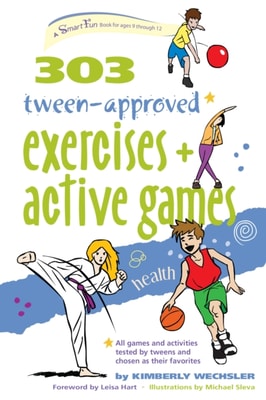
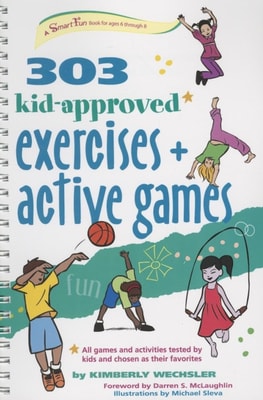
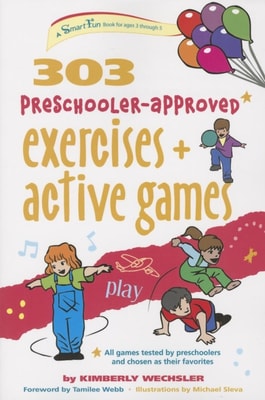
This book is not just for classrooms or families with overweight or unhealthy kids--every family that has children with televisions, computers, and/or video games under one roof should take care to exercise regularly.
Designed to address specific areas of difficulty for children, teens and young adults with autism spectrum disorder (ASD), the 46 exercises in this comprehensive program are proven to improve body image, motor coordination, posture, muscular and cardiovascular fitness.
This is a fully up-dated second edition of the successful guide that provides teachers with a range of practical strategies to motivate pupils of all ages to be more active.
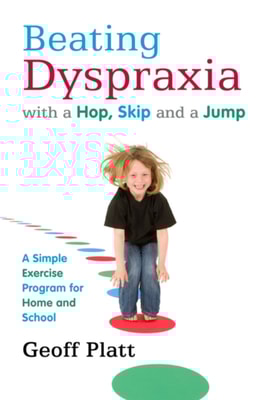
Children with dyspraxia often have reduced motor skills including balance, timing and coordination, as well as weak muscles - something recent research suggests may be not only a symptom but a cause of the condition.
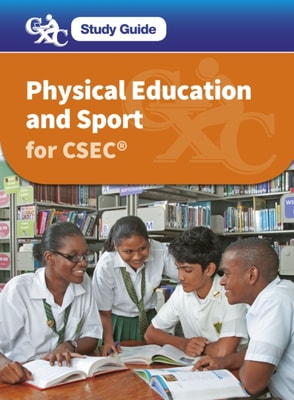
Developed exclusively with the Caribbean Examinations Council, this Study Guide provides you with support to maximise your performance in CSEC Physical Education and Sport.
Children with dyspraxia often have reduced motor skills including balance, timing and coordination, as well as weak muscles - something recent research suggests may be not only a symptom but a cause of the condition.