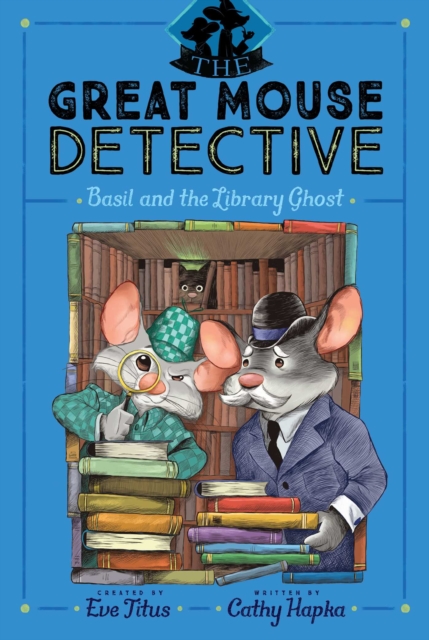
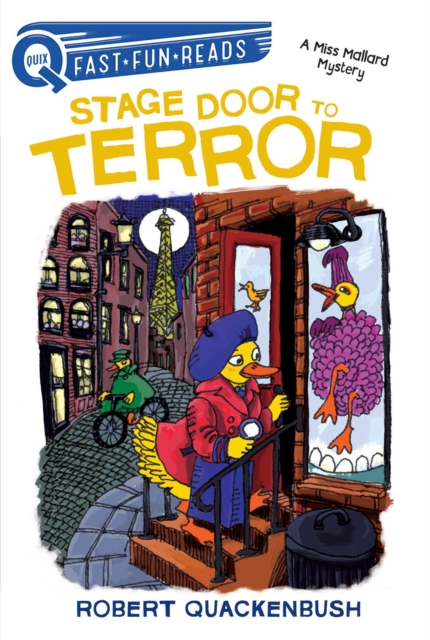
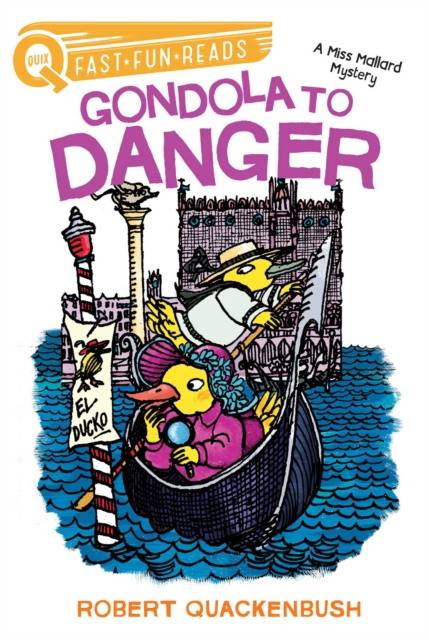
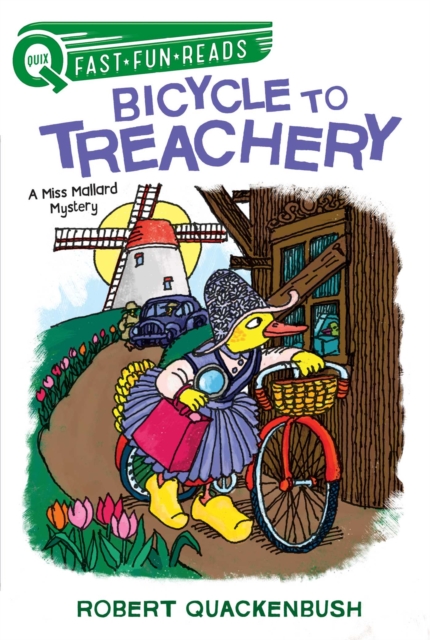
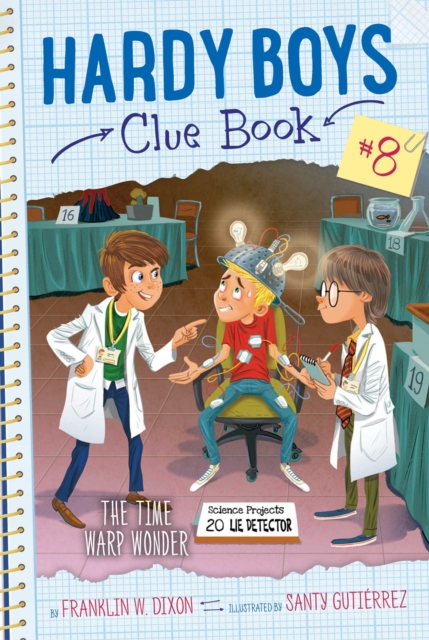
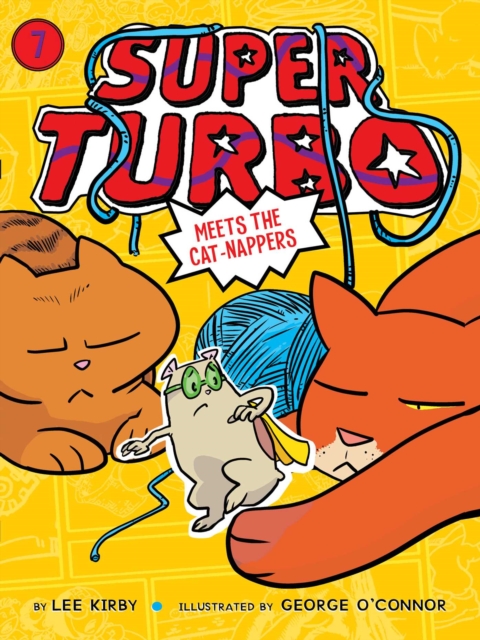
The inspiration for a hit Disney film and named one of ';13 Detective Book Series You Obsessed Over as a Kid' by BuzzFeed, the masterful Great Mouse Detective is back and ready to investigate a library haunting!
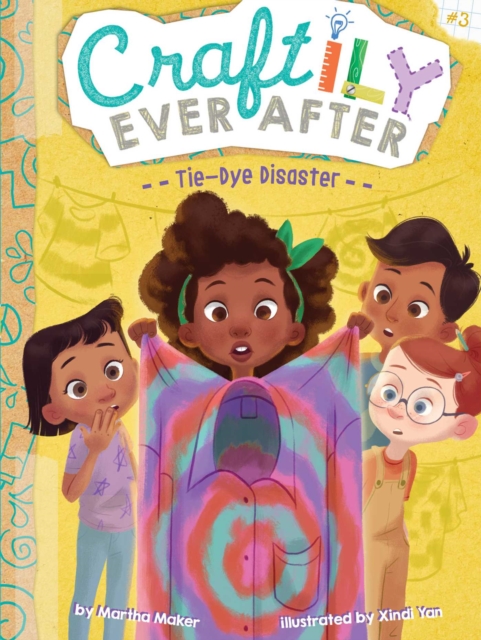
In this third book of the Craftily Ever After chapter book series, Maddie, Emily, Bella, and Sam accidentally tie-dye a shirt Maddie's mother made for the mayor!
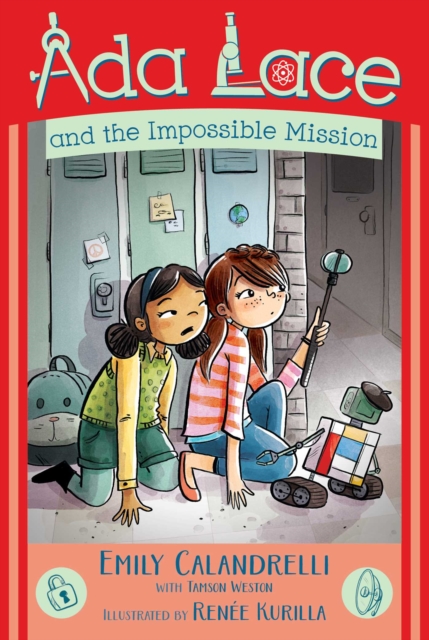
From Emily CalandrelliEmmy-nominated host of Xploration Outer Space, correspondent on Bill Nye Saves the World, and graduate of MITcomes the fifth novel in a fun illustrated chapter book series about an eight-year-old girl with a knack for science, math, and solving mysteries with technology.
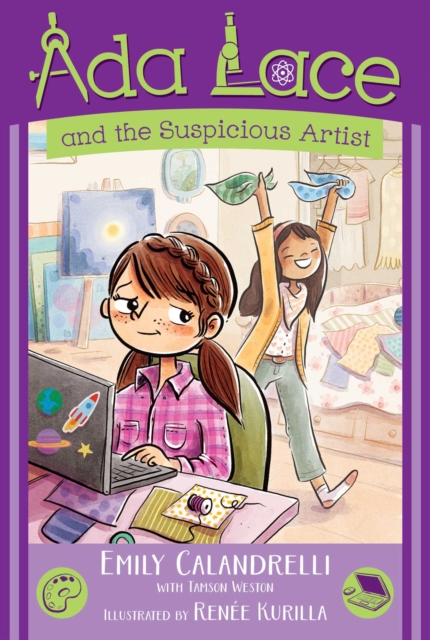
From Emily CalandrelliEmmy-nominated host of Xploration Outer Space, correspondent on Bill Nye Saves the World, and graduate of MITcomes the fourth novel in a fun illustrated chapter book series about an eight-year-old girl with a knack for science, math, and solving mysteries with technology.
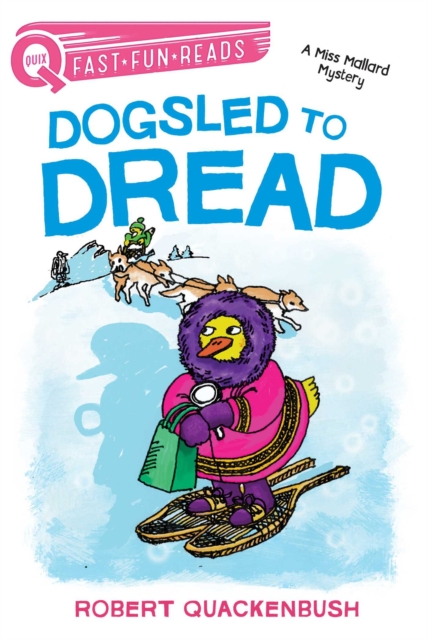
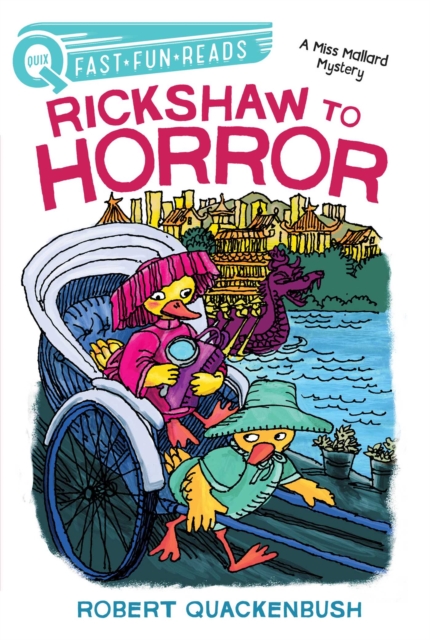
World-famous duck-tective Miss Mallard's ski vacation is a bust when she finds herself on the tail of a bundled-up bandit in this engaging Aladdin QUIX mystery.
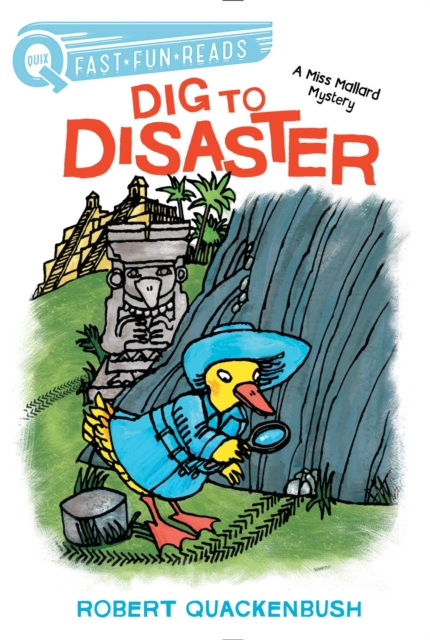
World-famous duck-tective Miss Mallard must discover who is terrorizing an archaeological expedition in this mystery that launches QUIX, a new line of fun-to-read short chapter books that are perfect for emerging readers.
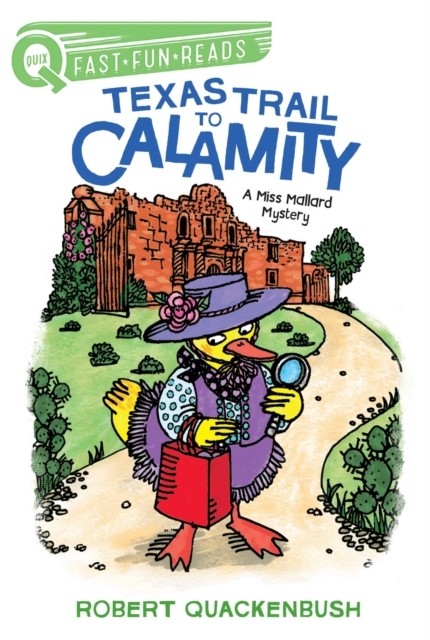
World-famous duck-tective Miss Mallard must thwart a thief in this mystery that launches QUIX, a new line of fun-to-read short chapter books that are perfect for emerging readers.
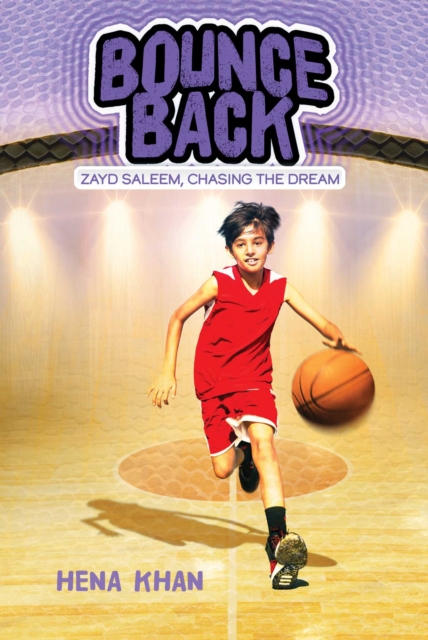
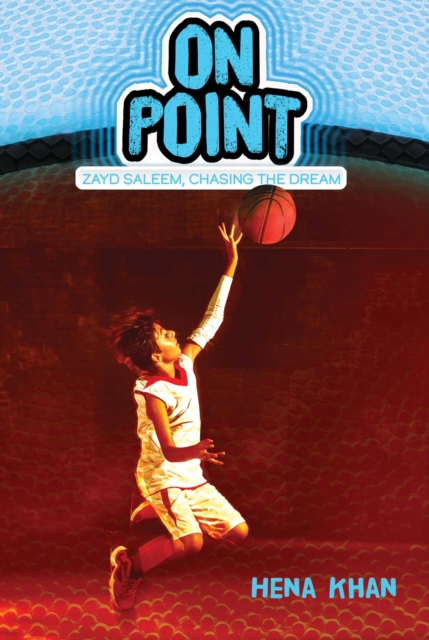
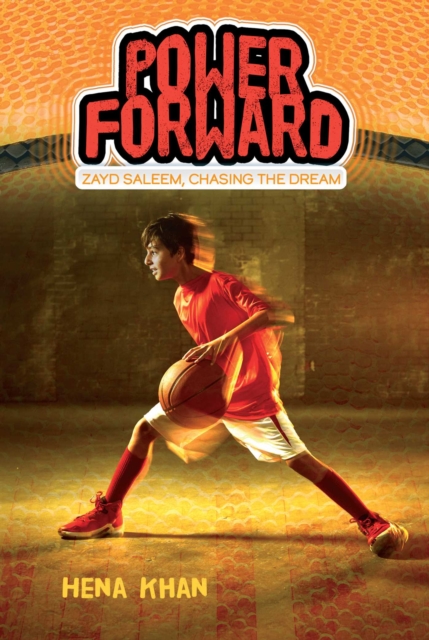
From the critically acclaimed author of Amina's Voice comes the third book in an exciting middle grade series about a scrawny fourth-grader with big dreams of basketball stardom.
From the critically acclaimed author of Amina's Voice comes the second book in an exciting new middle grade series about a scrawny fourth-grader with big dreams of basketball stardom.
From the critically acclaimed author of Amina's Voice comes the first book in an exciting new middle grade series about a fourth-grader with big dreams of basketball stardom.
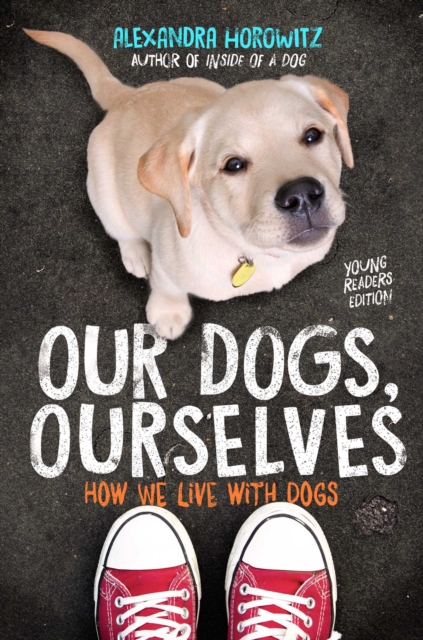
This middle grade adaptation of Our Dogs, Ourselves is an eye-opening, entertaining, and beautifully illustrated look at humans' complicated and sometimes contradictory relationship with man's best friend by New York Times bestselling author of Inside of a Dog.
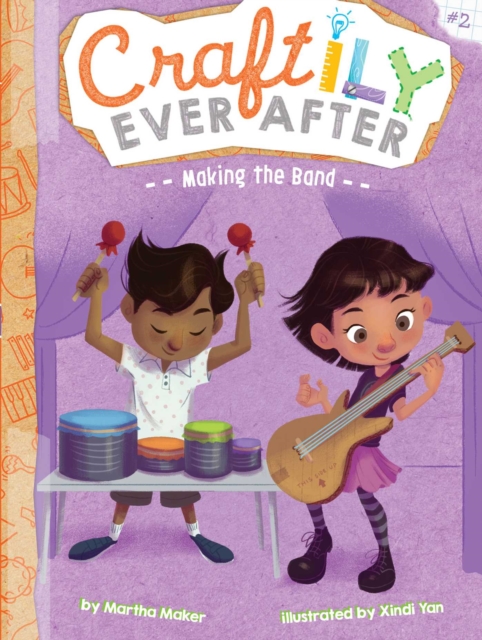
Maddie, Bella, Emily, and Sam create rock starworthy instruments with found objects in this second book in the Craftily Ever After chapter book series!
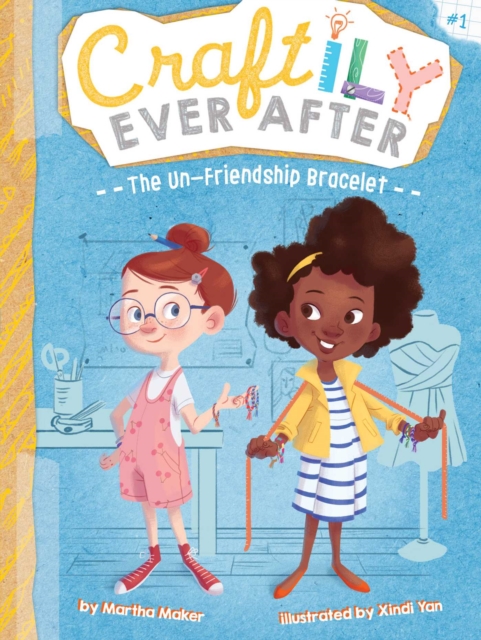
In the first book of the Craftily Ever After chapter book series, a new student gets between best friends Emily and Maddieand changes the meaning of their friendship bracelets!
Este libro busca plasmar que transformar la enseñanza de la historia escolar demanda el cambio de formas tradicionales centradas en la catedra magistral, el taller y el libro de texto, y aplicar otras que acerquen a la corriente de educación histórica y a la perspectiva social y cultural de la disciplina de la historia.
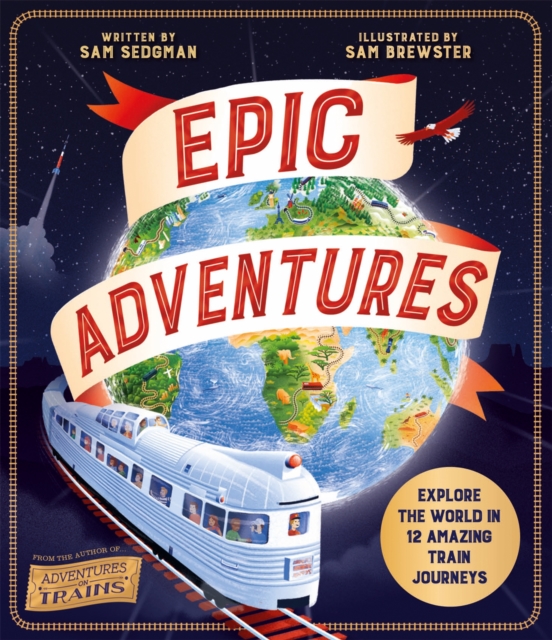
From Adventures on Trains author and British Book Award 2021 winner Sam Sedgman comes a beautiful and fact-filled book encapsulating the excitement and wonder of adventure and travel - all seen through the world's most epic train journeys.
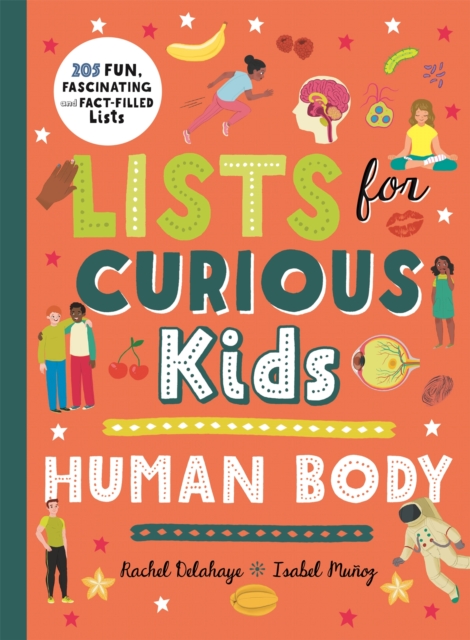
Do you want to know about nine popular hair styles from history, how digestion works in six easy steps, and eight questions about the human body that have no answers?
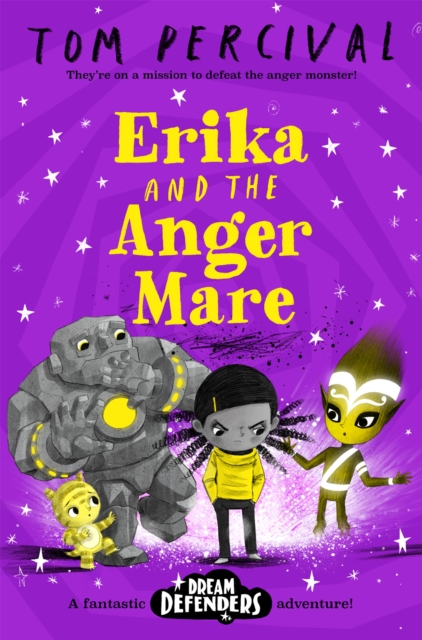
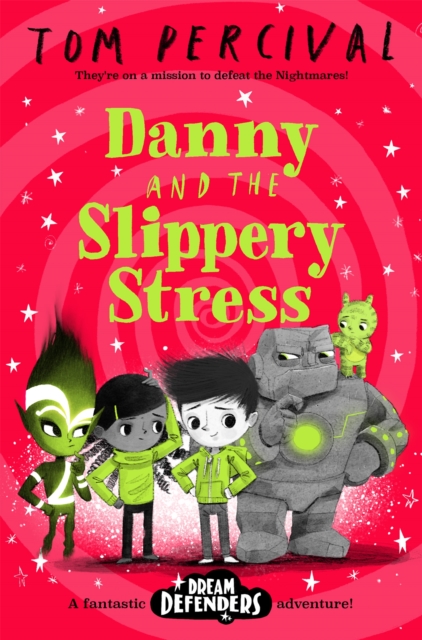
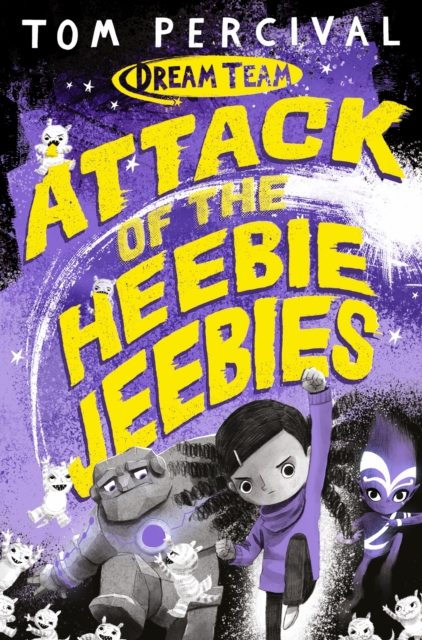
From Tom Percival, the creator of Ruby's Worry and the Big Bright Feelings series, comes a fun and engaging colour illustrated series exploring anxiety in children through action and adventure!