When three unlikely kids—Callaway, Emmie, and JJ—stumble upon a magical mirror hidden in a crumbling sweetshop, they find themselves transported to a secret world unlike anything they've ever imagined: a vibrant, mysterious land built entirely from enchanted candy, where flavor is power and dreams shape reality.
Packed with humor, heart, and unforgettable adventures, these children's novellas inspire young readers to laugh, dream, and discover the importance of courage, kindness, and doing what's right.
The Furry‑Inn: A Festival Tale is a whimsical, beautifully illustrated celebration of art, music, and community — where every creature has a story and every performance becomes a masterpiece.
Als Jannes nach dem Fußballspiel in der Umkleide steht und sein Blick beim Abtrocknen in den Spiegel fällt, starrt er erschrocken auf dieses … Phänomen.
Giannis Antetokounmpo is a dynamic force on the basketball court, known for his explosive athleticism, jaw-dropping dunks, and relentless drive to improve.
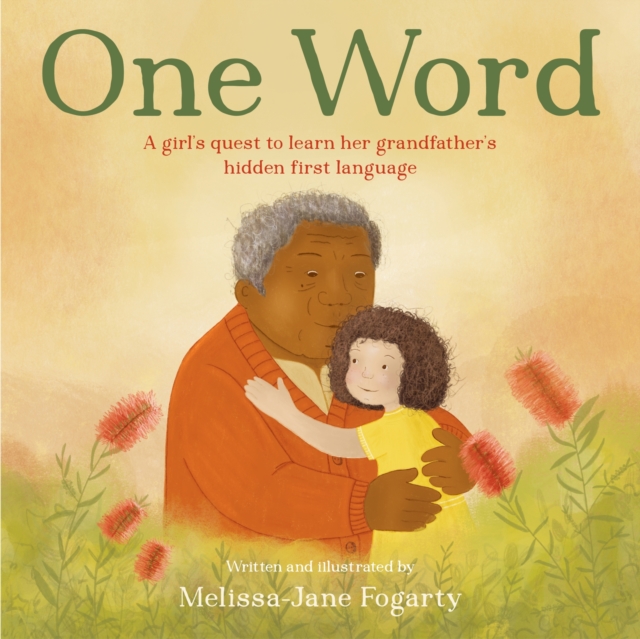
A poignant and moving story about reclaiming language and the enduring power of love, told though the eyes of a little girl on a quest to learn her grandfather's hidden first language.
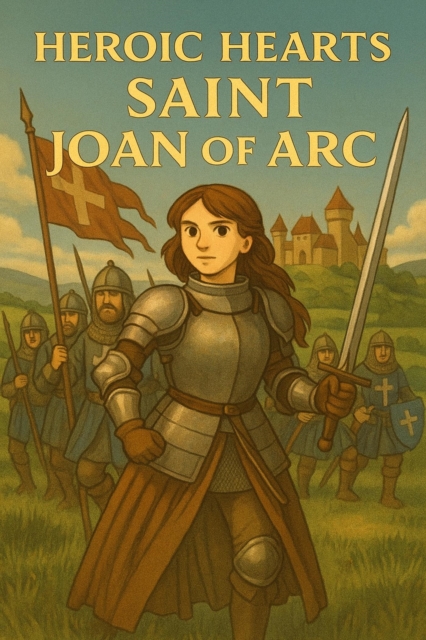
Here is a 500-character summary for the newly uploaded book:Part of the Heroic Hearts Series by Charles Awanda, this inspiring book tells the story of Saint Joan of Arc—a simple village girl who listened to God's voice and helped save France.
The renowned IB Diploma series, combining compelling narratives and academic rigor, has been revised and updated to align with the latest DP History course from the IB, for examination from 2028.
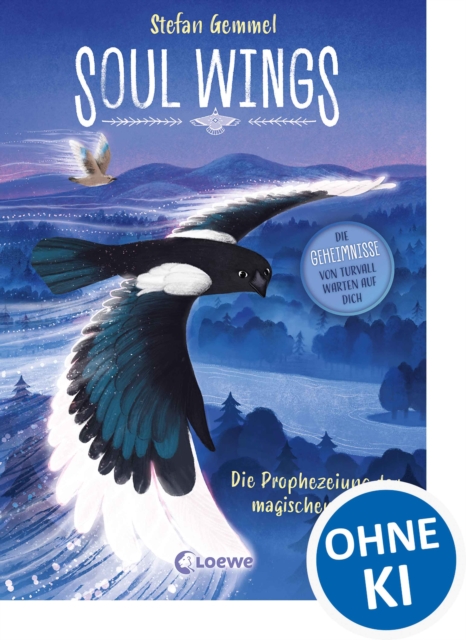
Loewe-Bücher: garantiert ohne KIDer Zauber der SeelenvögelDie Zwillinge Lilja und Leevi leben in einem ganz besonderen Dorf: Turvall ist der Schutzort der magischen Seelenvögel.
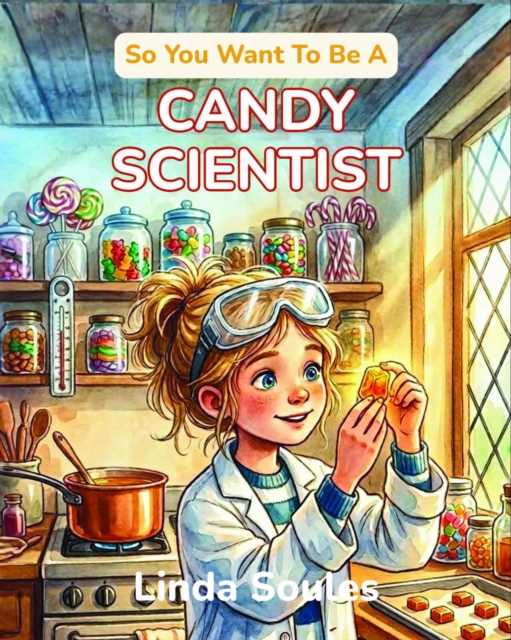
WINNER of the Literary Titan Gold Book AwardFrom the So You Want To Be A… Series — 2026 Purple Dragonfly Book Awards, Grand Prize Winner What if the candy your kids eat every day is actually one of the most fascinating science experiments on the planet — and someone had to figure out exactly how every step works?
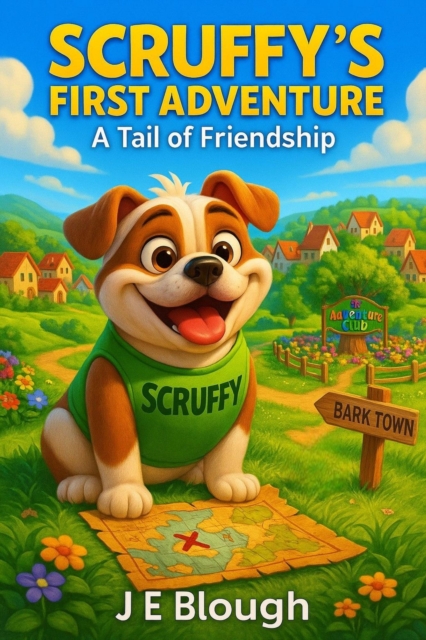
Scruffy's First Adventure: A Tail of Friendship is a heartwarming children's story that follows a brave young English Bulldog named Scruffy as he sets off on his very first adventure.
THE TREASURE MAP UNDER GRANDPA'S BEDJoin Mia and Jake on a heartwarming adventure that begins with a missing slipper and leads to a long-forgotten treasure map hidden beneath Grandpa Henry's bed.
Discover eleven powerful, heartwarming tales of confidence, resilience, and inner strength written specifically for teenage girls navigating the modern world.
*THE EXPLOSIVE CONCLUSION TO THE ADDICTIVE, ROMANTIC AND TWIST-FILLED SERIES THAT HAS SOLD MILLONS OF COPIES AROUND THE WORLD*EVERY CLUE, EVERY KISS, EVERY SECRET HAS LED TO THIS.
The Bomber Dog is a heartwarming story for 9+ readers about a brave puppy who joins the paratroopers during the Second World War and becomes a heroic war dog.
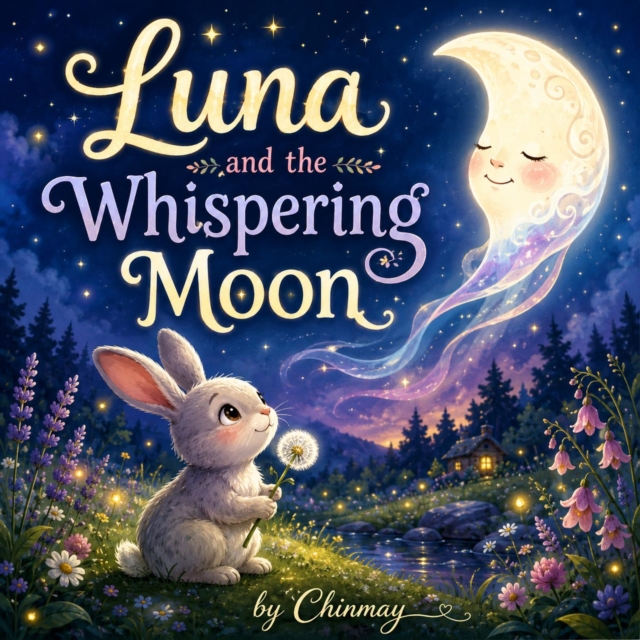
When the moon begins to whisper, little Luna the rabbit follows a shimmering ribbon of moonlight through a peaceful meadow filled with sleeping friends, gentle dreams, and quiet discoveries.
A thrilling and intoxicating cat-and-mouse thriller about envy, revenge and the price of perfection, from the acclaimed author of THE GOLDENS'An enthralling YA cat-and-mouse thriller with a toxic female friendship and a steely twist' GuardianIT SHOULD HAVE BEEN HER .