Seeking to increasing the social awareness of citizens, institutions, and corporations with regard to the risks presented by the acritical use of algorithms in decision-making, this book explains the rationale and the methods of algorithm audit.
Seeking to increasing the social awareness of citizens, institutions, and corporations with regard to the risks presented by the acritical use of algorithms in decision-making, this book explains the rationale and the methods of algorithm audit.
This book examines the growing importance of algorithms and automation-including emerging forms of artificial intelligence-in the gathering, composition, and distribution of news.
This book examines the growing importance of algorithms and automation-including emerging forms of artificial intelligence-in the gathering, composition, and distribution of news.
The Routledge Handbook of Public Transport is a reference work of chapters providing in-depth examination of the current issues and future developments facing public transport.
The Routledge Handbook of Public Transport is a reference work of chapters providing in-depth examination of the current issues and future developments facing public transport.
This concise collection critically reflects on mobile assisted language learning research across educational stages, from early childhood through to university settings.
This concise collection critically reflects on mobile assisted language learning research across educational stages, from early childhood through to university settings.
Introduction to R for Social Scientists: A Tidy Programming Approach introduces the Tidy approach to programming in R for social science research to help quantitative researchers develop a modern technical toolbox.
Introduction to R for Social Scientists: A Tidy Programming Approach introduces the Tidy approach to programming in R for social science research to help quantitative researchers develop a modern technical toolbox.
With specially commissioned introductions from international experts, the Psychological Insights for Understanding COVID-19 series draws together previously published chapters on key themes in psychological science that engage with people's unprecedented experience of the pandemic.
With specially commissioned introductions from international experts, the Psychological Insights for Understanding COVID-19 series draws together previously published chapters on key themes in psychological science that engage with people's unprecedented experience of the pandemic.
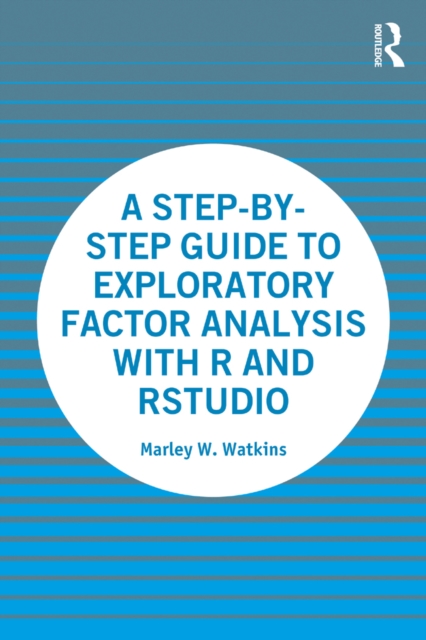
This is a concise, easy to use, step-by-step guide for applied researchers conducting exploratory factor analysis (EFA) using the open source software R.
This is a concise, easy to use, step-by-step guide for applied researchers conducting exploratory factor analysis (EFA) using the open source software R.
Agent-Based Modelling for Criminological Theory Testing and Development addresses the question whether and how we can use simulation methods in order to test criminological theories, and if they fail to be corroborated, how we can use simulation to mend and further develop theories.
Agent-Based Modelling for Criminological Theory Testing and Development addresses the question whether and how we can use simulation methods in order to test criminological theories, and if they fail to be corroborated, how we can use simulation to mend and further develop theories.
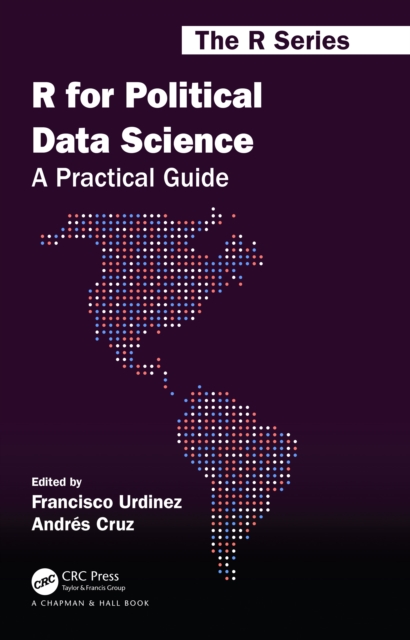
R for Political Data Science: A Practical Guide is a handbook for political scientists new to R who want to learn the most useful and common ways to interpret and analyze political data.
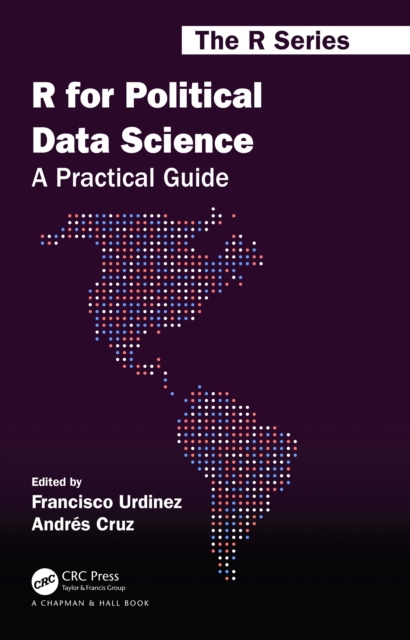
R for Political Data Science: A Practical Guide is a handbook for political scientists new to R who want to learn the most useful and common ways to interpret and analyze political data.
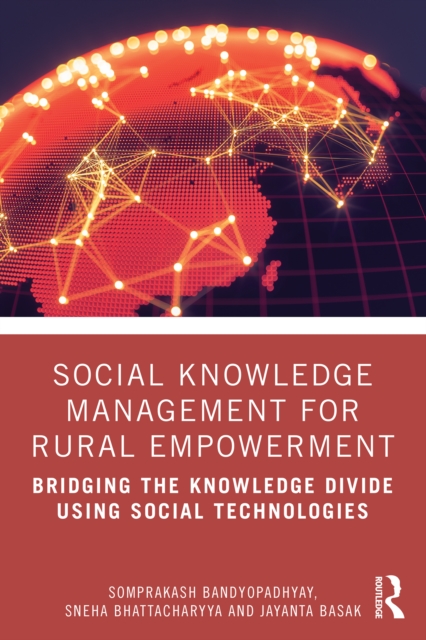
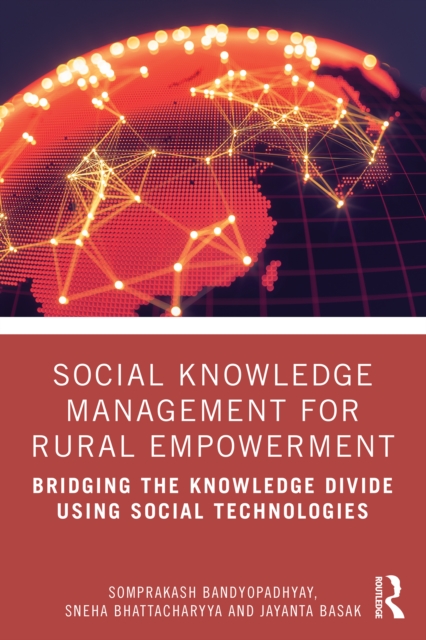
This book develops and examines the concepts and strategies for rural empowerment through the formation of a community-driven social knowledge management (SKM) framework aided by social technology.
This book develops and examines the concepts and strategies for rural empowerment through the formation of a community-driven social knowledge management (SKM) framework aided by social technology.
This book addresses social and complex network analysis challenges, exploring social network structures, dynamic networks, and hierarchical communities.