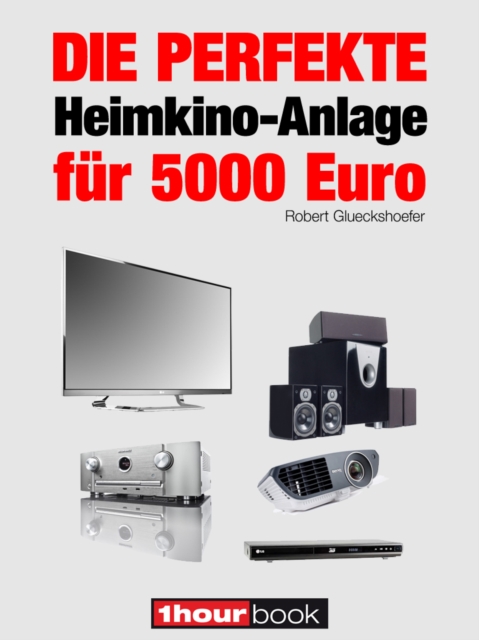
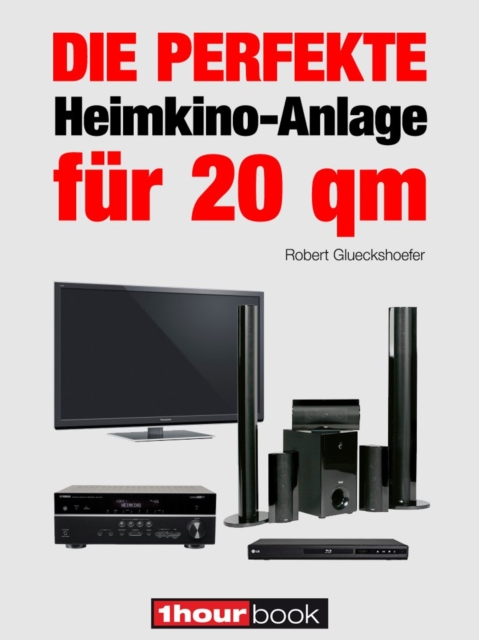
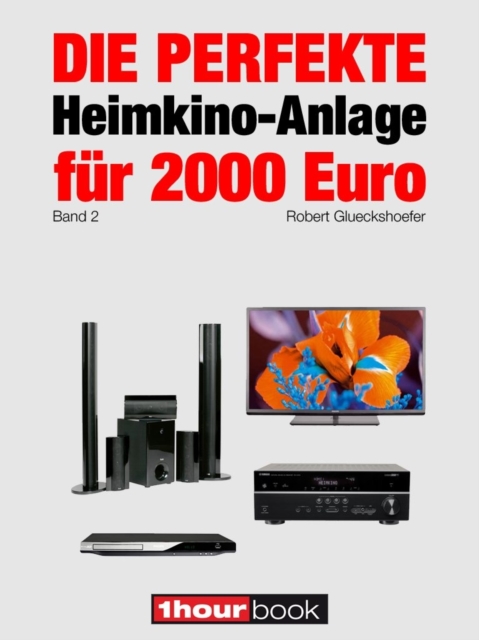
Der Heimkino-Einsteiger achtet in der Regel etwas mehr auf die Höhe seiner Investition als der hartgesottene Profi und tendiert darum eher zu Geräten aus den unteren Preisklassen.
Wer sich mehrmals pro Woche im eigenen Heimkino seinem Hobby widmet, benötigt eine gut aufeinander abgestimmte Anlage, um maximales Kino-Feeling zu erleben.
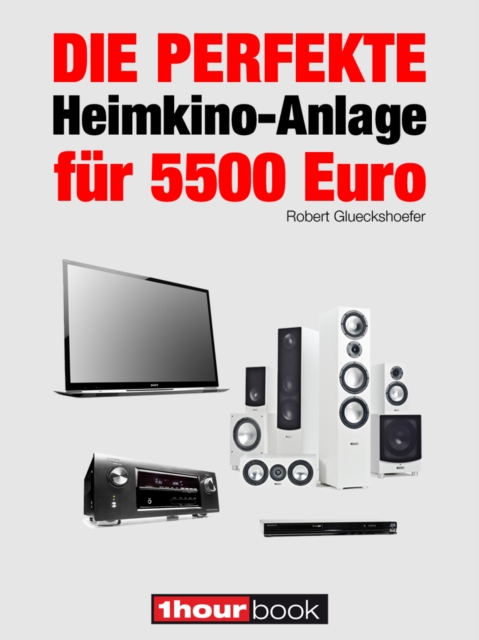
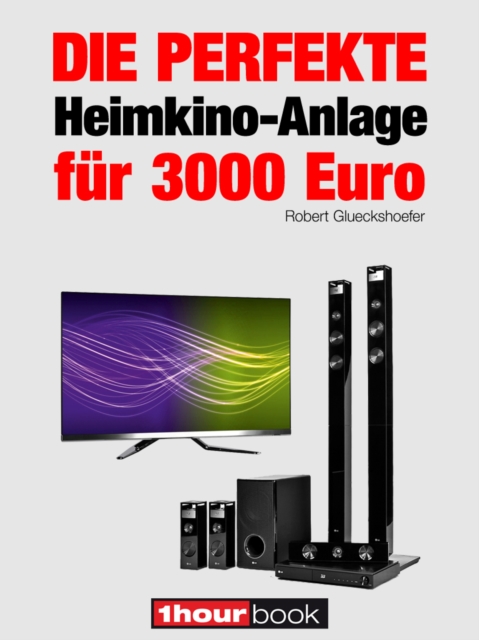
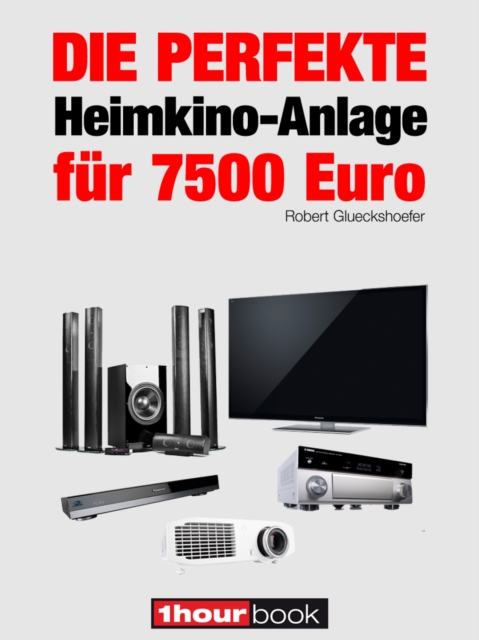
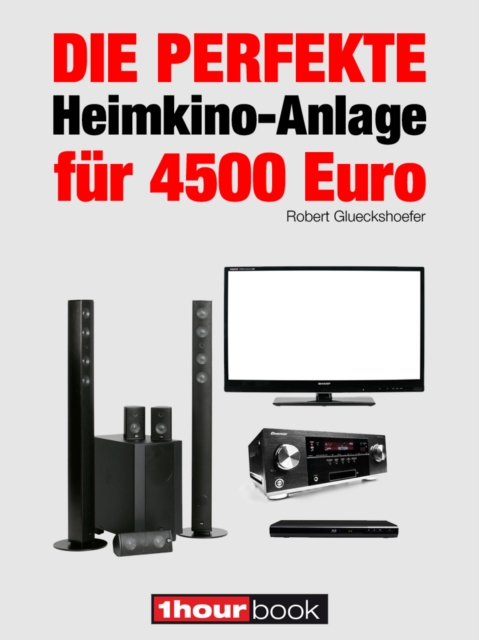
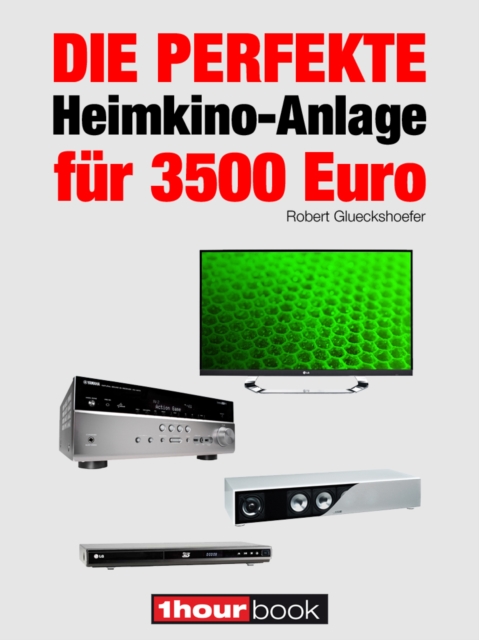
Wer sich für die Ausstattung seines Heimkinos in den mittleren bis hohen Preiskategorien umsieht, hat natürlich gute Chancen auf ein Heimkinoerlebnis, wie man es sich wünscht.
Ab einem gewissen Budget darf der Heimkinofan bei der Anschaffung neuer Komponenten durchaus auch die Optik der potentiellen Neuerwerbungen in seine Entscheidung einfließen lassen.
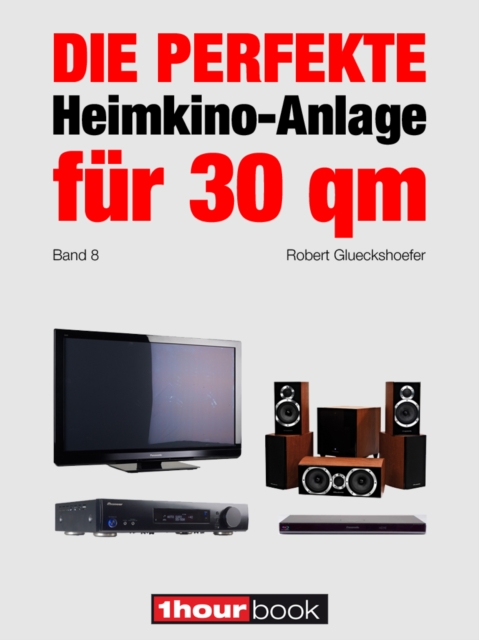
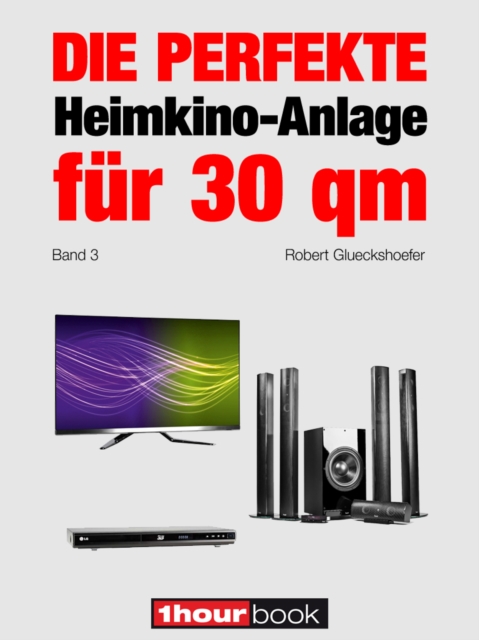
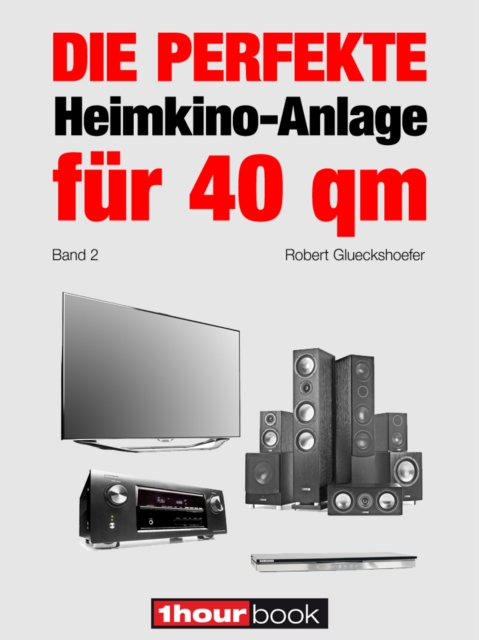
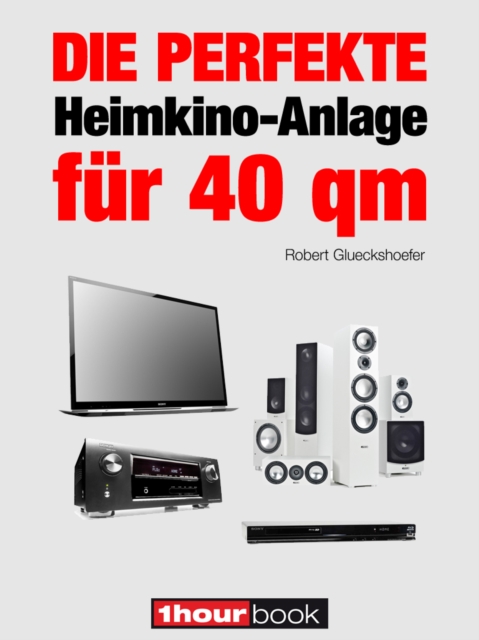
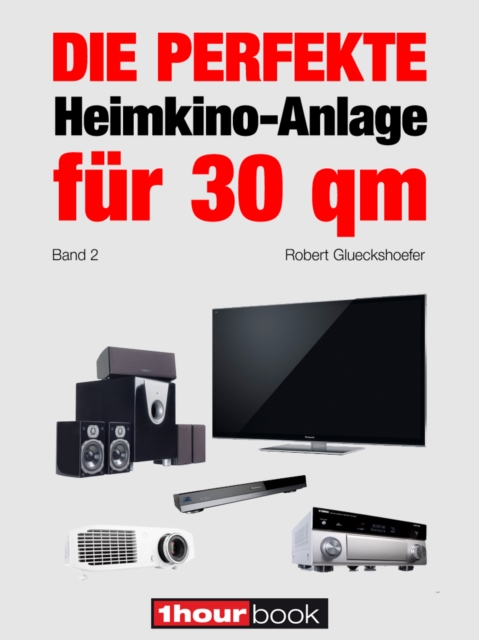
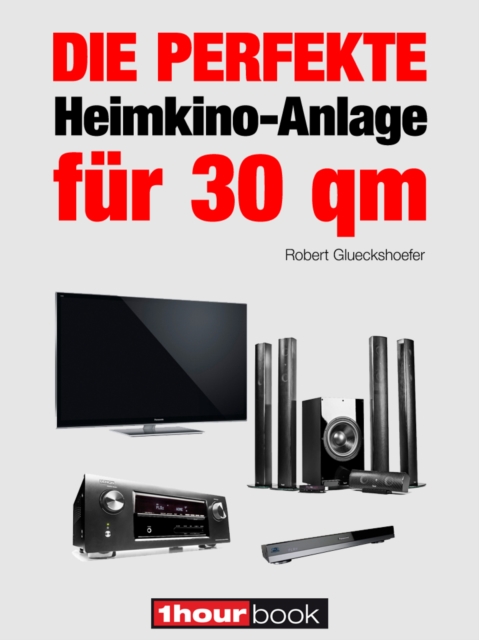
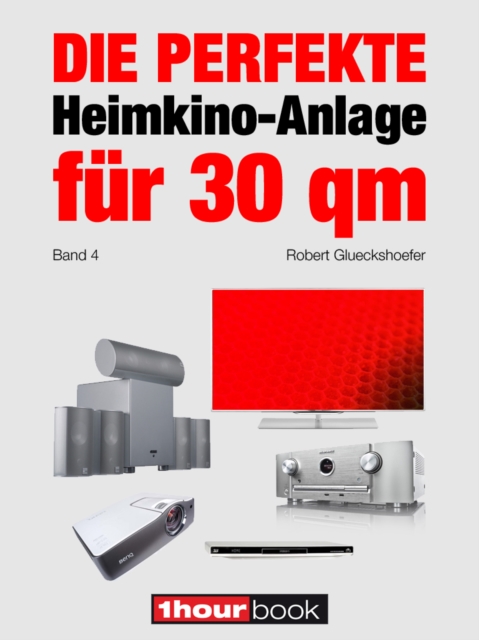
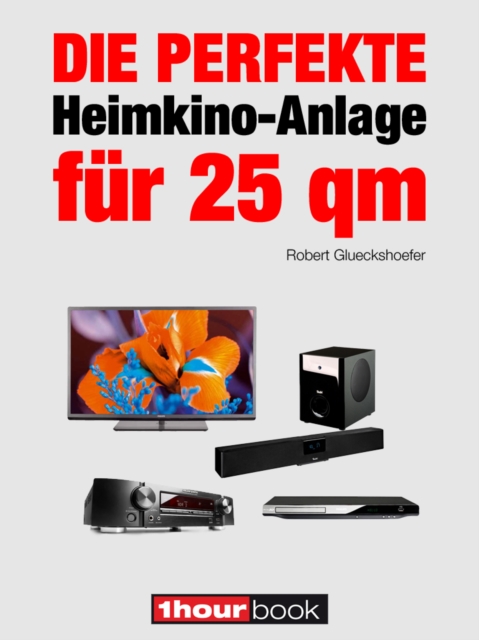
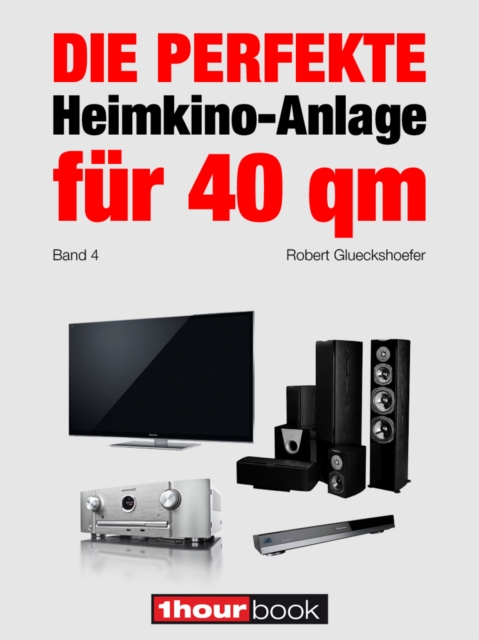
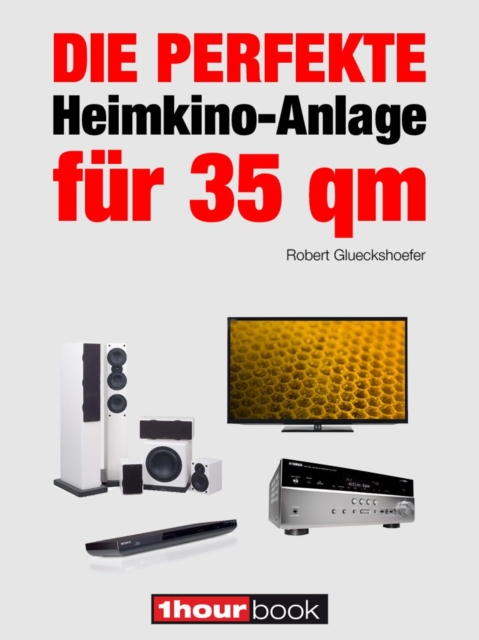
Wer in kleineren Räumen ein Heimkino einrichten möchte, muss bei der Anschaffung der einzelnen Geräte nicht nur auf ihre Qualität, sondern auch auf die Größe achten.
Wenn Sie zu der Sorte HiFi-Fans gehören, die sich von Preisen im fünfstelligen Bereich genauso wenig abschrecken lassen wie von ausgefallenen Ideen, sind die in diesem Buch erwähnten Lautsprecher sicherlich interessant für Sie.
Nach einer gewissen Zeit intensiver Auseinandersetzung mit dem Thema Heimkino fängt fast jeder Filmfan an, auch auf die höherpreisigen Komponenten im Angebot zu schielen.
Der Anspruch von Heimkino-Enthusiasten ist üblicherweise hoch, schließlich betreibt niemand den Aufwand eines eigenen Filmpalasts, wenn er dort nicht auch Filme in einer gewissen Qualität genießen möchte.
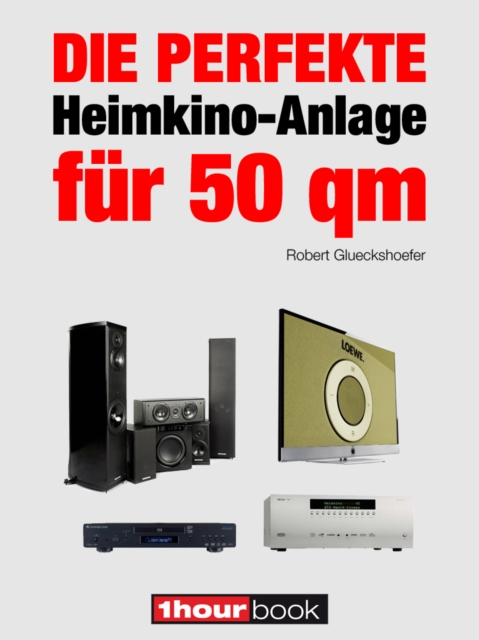
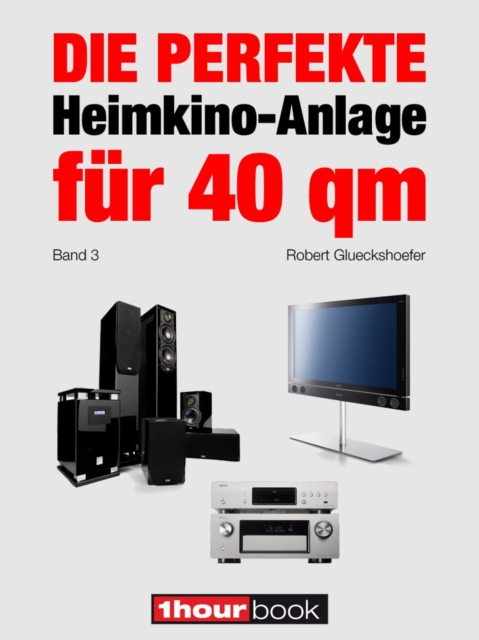
Wer das Glück hat, einen etwas größeren Raum für ein Heimkino zur Verfügung zu haben, muss sich nicht so viele Gedanken um platzsparende Geräte machen.
In kleinen und mittleren Räumen ist zumeist das Surround-Set die kritische Komponente, schließlich ist der Platz begrenzt und so manches Set benötigt davon eine ganze Menge.
Wer in kleinen und mittleren Räumen ein Heimkino einrichten möchte, steht oft vor dem Problem, dass für die gewünschten Geräte nicht genug Platz da ist.
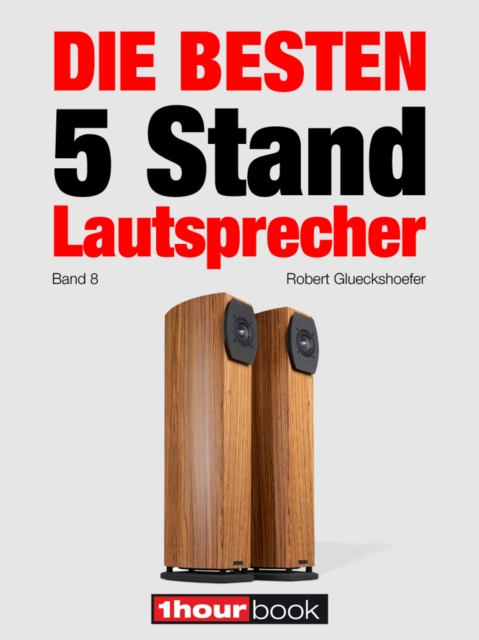
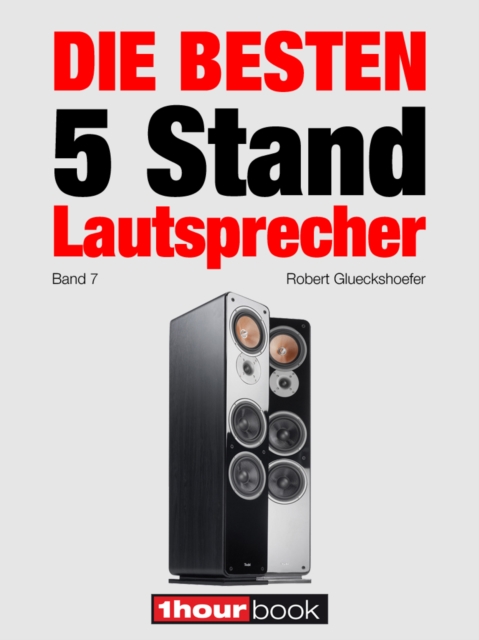
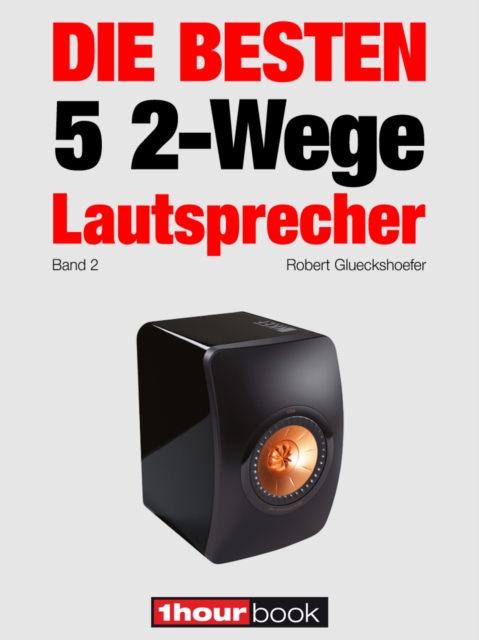
Faszinierend sind Lautsprecher ja immer, doch richtig interessant wird es, wenn die Klangqualität die Optik noch übertrifft - das sind richtig schöne Überraschungsmomente.
Wer als Musikliebhaber Lautsprecher für die Aufstellung im Wohnzimmer sucht, braucht natürlich einen Kompromiss aus ansehnlicher Optik und hervorragendem Klang.
Wer einen größeren Raum für die Einrichtung eines Heimkinos zur Verfügung hat, muss darauf achten, Geräte mit einer entsprechenden Leistung auszuwählen.
Für Einsteiger in Sachen Heimkino ist eine Profiausstattung meist nicht nur eine große Herausforderung, sondern sie sprengt auch in der Regel das Budget, mit dem das erste Heimkino auf die Beine gestellt werden soll.
Beim Einrichten des eigenen Heimkinos darf durchaus auch Wert auf die Optik der Komponenten gelegt werden, insbesondere wenn der Filmpalast im Wohnraum untergebracht wird.
Wer bei der Ausstattung seines Heimkinos ein wenig mehr Bargeld in die Hand nimmt, kann sich ein wahres Medienparadies einrichten, mit dem er nicht nur Filme genießen, sondern via TV zum Beispiel auch im Internet surfen kann.
Die fortschreitende TV-Technologie mit immer flacher werdenden Fernsehern ist absolut beeindruckend, geht aber auf Kosten der integrierten Lautsprecher.
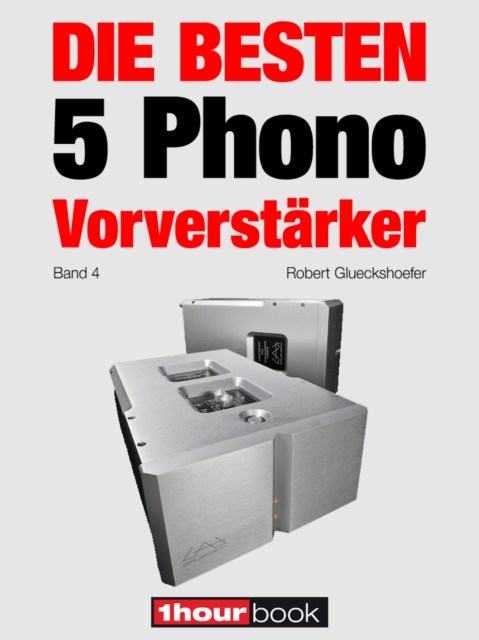
Die Aufgabe eines Phono-Vorverstärkers, nämlich die Frequenzgangkorrektur und Signalverstärkung, ist eine gewaltige technische Herausforderung und dementsprechend sparen sich viele Hersteller den kostspieligen Phono-Eingang eines Verstärkers.