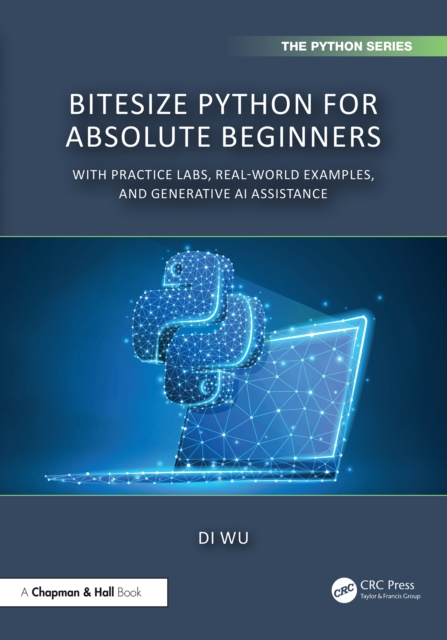
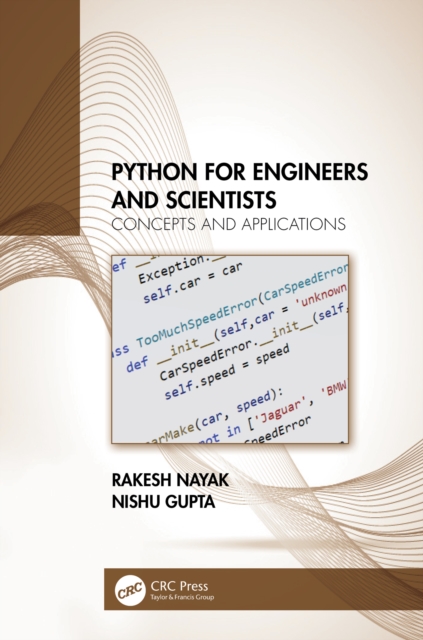
As an introduction to Python, this book allows readers to take a slow and steady approach to understanding Python code, explaining concepts, connecting programming with real-life examples, writing Python programs, and completing case studies.
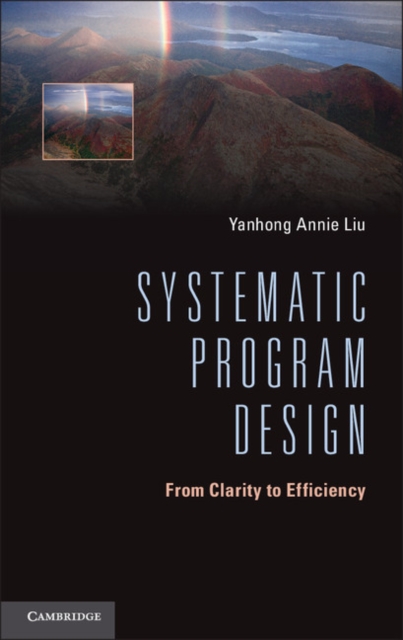
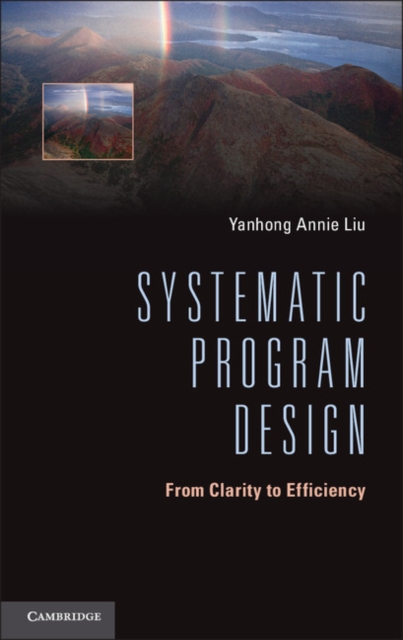
Describes a systematic program design method, starting with specifications of computations and deriving implementations by step-wise program analysis and transformations.
Describes a systematic program design method, starting with specifications of computations and deriving implementations by step-wise program analysis and transformations.
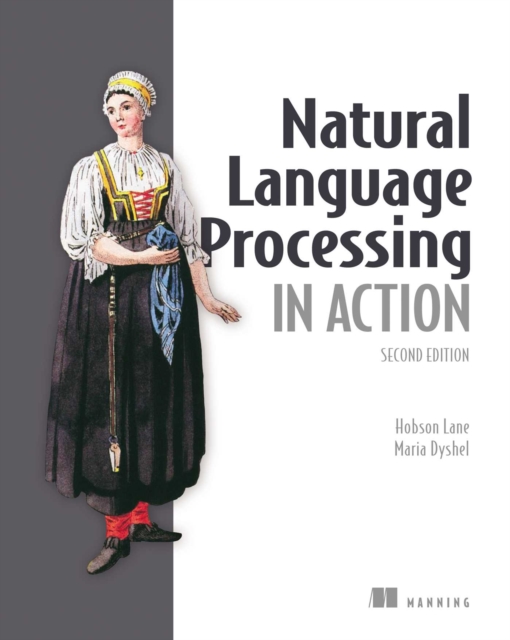
Develop your NLP skills from scratch, with an open source toolbox of Python packages, Transformers, Hugging Face, vector databases, and your own Large Language Models.
Theory of Structured Parallel Programming is a comprehensive guide to structured parallel programming corresponding to traditional structured sequential programming.
With technological advancements, fast markets, and higher complexity of systems, software engineers tend to skip the uncomfortable topic of software efficiency.
With technological advancements, fast markets, and higher complexity of systems, software engineers tend to skip the uncomfortable topic of software efficiency.
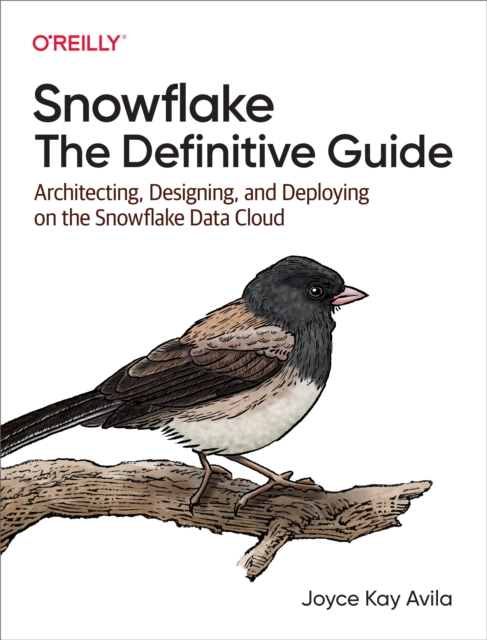
Snowflake's ability to eliminate data silos and run workloads from a single platform creates opportunities to democratize data analytics, allowing users at all levels within an organization to make data-driven decisions.
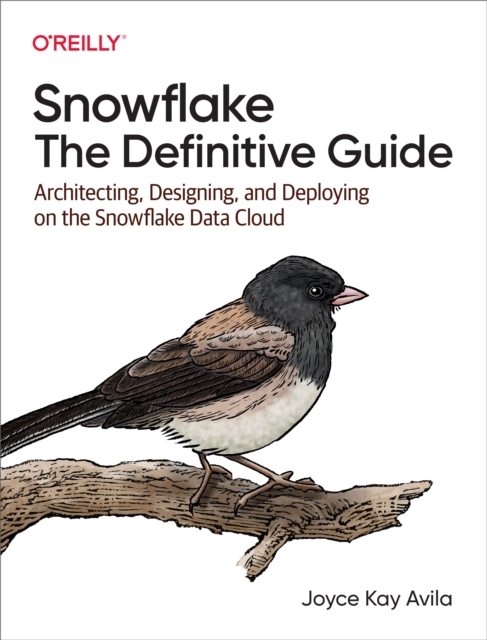
Snowflake's ability to eliminate data silos and run workloads from a single platform creates opportunities to democratize data analytics, allowing users at all levels within an organization to make data-driven decisions.
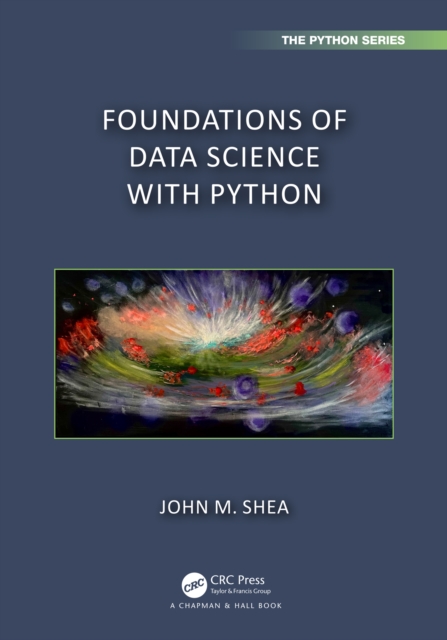
Foundations of Data Science with Python introduces readers to the fundamentals of data science, including data manipulation and visualization, probability, statistics, and dimensionality reduction.
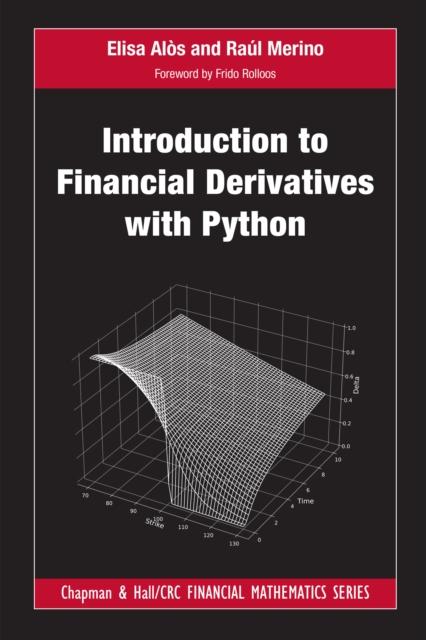
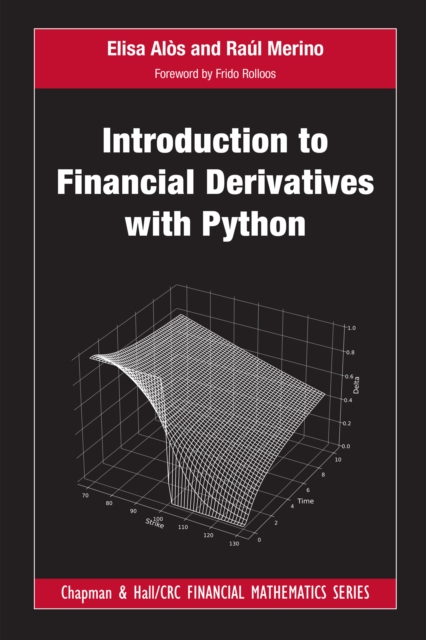
Introduction to Financial Derivatives with Python is an ideal textbook for an undergraduate course on derivatives, whether on a finance, economics, or financial mathematics programme.
Introduction to Financial Derivatives with Python is an ideal textbook for an undergraduate course on derivatives, whether on a finance, economics, or financial mathematics programme.
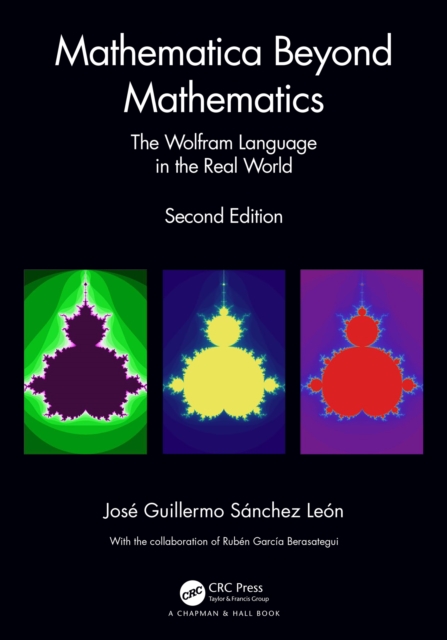
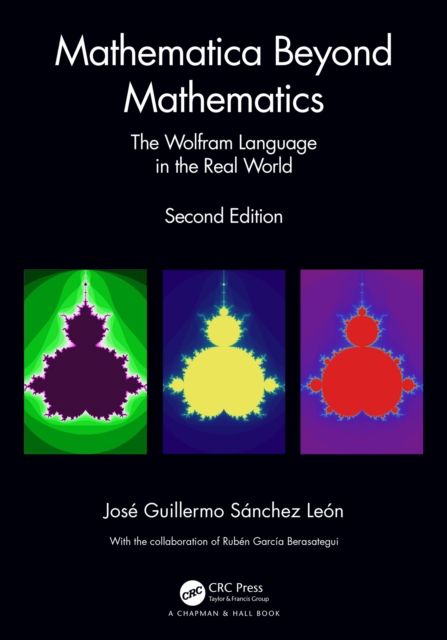
Although many books have been written about Mathematica, very few of them cover the new functionality added to the most recent versions of the program.
Although many books have been written about Mathematica, very few of them cover the new functionality added to the most recent versions of the program.
The text focuses on the basics of Python programming fundamentals and introduction to present-day applications in technology and the upcoming state-of-art trends in a comprehensive manner.