Simplify next-generation deep learning by implementing powerful generative models using Python, TensorFlow and KerasKey FeaturesUnderstand the common architecture of different types of GANsTrain, optimize, and deploy GAN applications using TensorFlow and KerasBuild generative models with real-world data sets, including 2D and 3D dataBook DescriptionDeveloping Generative Adversarial Networks (GANs) is a complex task, and it is often hard to find code that is easy to understand.
Build smarter systems by combining artificial intelligence and the Internet of Things-two of the most talked about topics todayKey FeaturesLeverage the power of Python libraries such as TensorFlow and Keras to work with real-time IoT dataProcess IoT data and predict outcomes in real time to build smart IoT modelsCover practical case studies on industrial IoT, smart cities, and home automationBook DescriptionThere are many applications that use data science and analytics to gain insights from terabytes of data.
As natural language processing spans many different disciplines, it is sometimes difficult to understand the contributions and the challenges that each of them presents.
Since the invention of computers and other similar machines, scientists and researchers have been trying very hard to enhance their capabilities to perform various tasks.
Since the invention of computers and other similar machines, scientists and researchers have been trying very hard to enhance their capabilities to perform various tasks.
Machine Learning in Translation introduces machine learning (ML) theories and technologies that are most relevant to translation processes, approaching the topic from a human perspective and emphasizing that ML and ML-driven technologies are tools for humans.
This book presents a comprehensive overview of Natural Language Interfaces to Databases (NLIDBs), an indispensable tool in the ever-expanding realm of data-driven exploration and decision making.
Move up the Kaggle leaderboards and supercharge your data science and machine learning career by analyzing famous competitions and working through exercises.
The world is on the verge of fully ushering in the fourth industrial revolution, of which artificial intelligence (AI) is the most important new general-purpose technology.
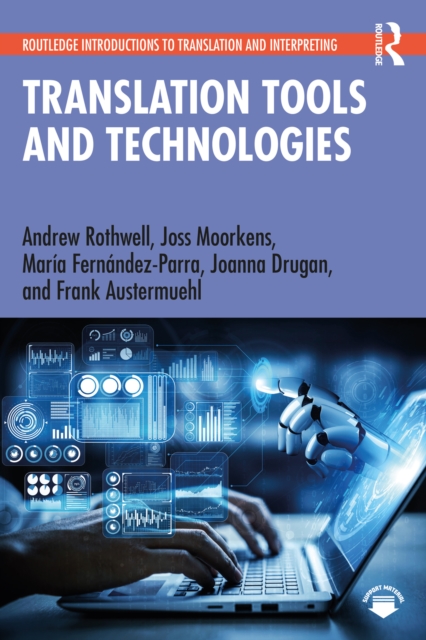
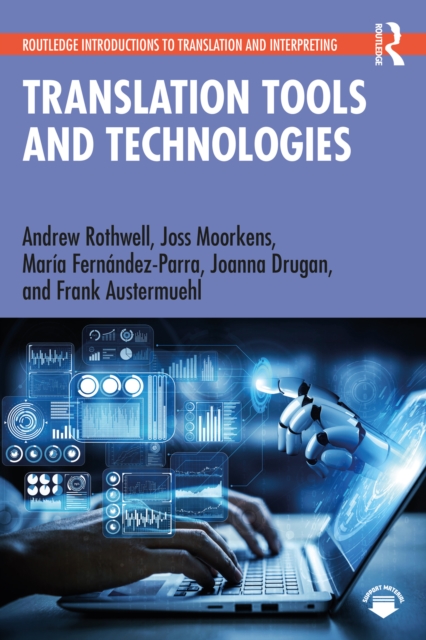
To trainee translators and established professionals alike, the range of tools and technologies now available, and the speed with which they change, can seem bewildering.
To trainee translators and established professionals alike, the range of tools and technologies now available, and the speed with which they change, can seem bewildering.
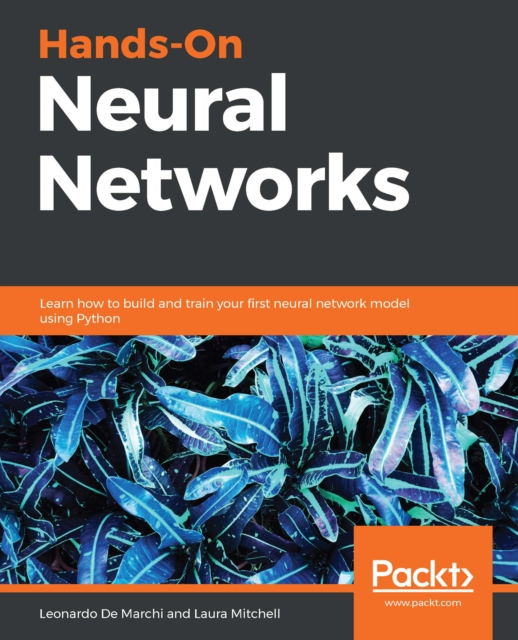
Design and create neural networks with deep learning and artificial intelligence principles using OpenAI Gym, TensorFlow, and KerasKey FeaturesExplore neural network architecture and understand how it functionsLearn algorithms to solve common problems using back propagation and perceptronsUnderstand how to apply neural networks to applications with the help of useful illustrationsBook DescriptionNeural networks play a very important role in deep learning and artificial intelligence (AI), with applications in a wide variety of domains, right from medical diagnosis, to financial forecasting, and even machine diagnostics.
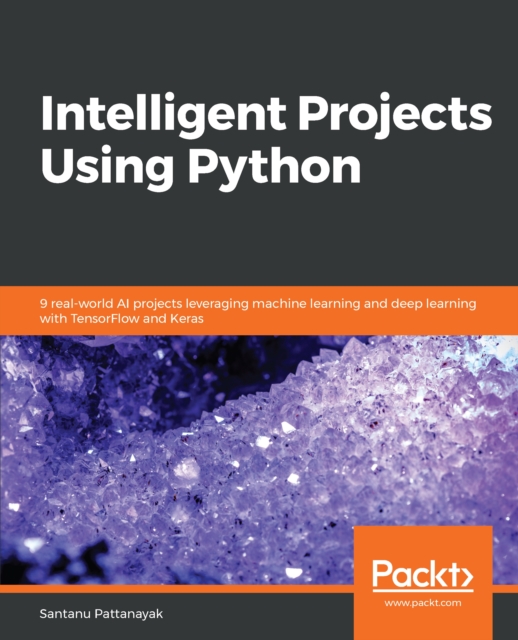
Implement machine learning and deep learning methodologies to build smart, cognitive AI projects using PythonKey FeaturesA go-to guide to help you master AI algorithms and concepts8 real-world projects tackling different challenges in healthcare, e-commerce, and surveillanceUse TensorFlow, Keras, and other Python libraries to implement smart AI applicationsBook DescriptionThis book will be a perfect companion if you want to build insightful projects from leading AI domains using Python.
Implement intelligent agents using PyTorch to solve classic AI problems, play console games like Atari, and perform tasks such as autonomous driving using the CARLA driving simulatorKey FeaturesExplore the OpenAI Gym toolkit and interface to use over 700 learning tasksImplement agents to solve simple to complex AI problemsStudy learning environments and discover how to create your ownBook DescriptionMany real-world problems can be broken down into tasks that require a series of decisions to be made or actions to be taken.
Augmenting Public Relations examines how existing technologies used in Public Relations (PR) are being significantly augmented because of the advent of Artificial Intelligence (AI).
This book provides applications of machine learning in healthcare systems and seeks to close the gap between engineering and medicine by combining design and problem-solving skills of engineering with health sciences to advance healthcare treatment.
This book provides applications of machine learning in healthcare systems and seeks to close the gap between engineering and medicine by combining design and problem-solving skills of engineering with health sciences to advance healthcare treatment.
Integrate large language models into your enterprise applications with advanced strategies that drive transformationKey FeaturesExplore design patterns for applying LLMs to solve real-world enterprise problemsLearn strategies for scaling and deploying LLMs in complex environmentsGet more relevant results and improve performance by fine-tuning and optimizing LLMsPurchase of the print or Kindle book includes a free PDF eBookBook DescriptionThe integration of large language models (LLMs) into enterprise applications is transforming how businesses use AI to drive smarter decisions and efficient operations.
This book integrates the concepts of explainable artificial intelligence and generative explainable artificial intelligence, showcasing how explainability can be incorporated into generative models.
This book integrates the concepts of explainable artificial intelligence and generative explainable artificial intelligence, showcasing how explainability can be incorporated into generative models.