Develop your NLP skills from scratch, with an open source toolbox of Python packages, Transformers, Hugging Face, vector databases, and your own Large Language Models.
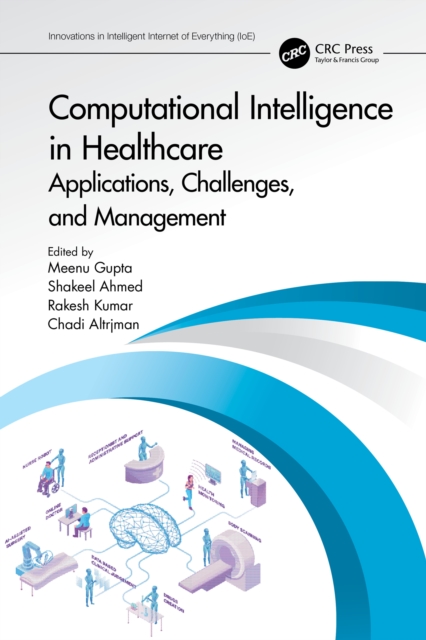
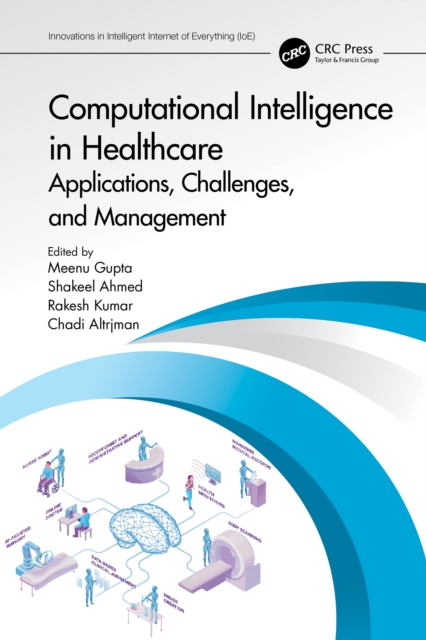
Computational intelligence (CI) refers to the ability of computers to accomplish tasks that are normally completed by intelligent beings such as humans and animals.
Computational intelligence (CI) refers to the ability of computers to accomplish tasks that are normally completed by intelligent beings such as humans and animals.
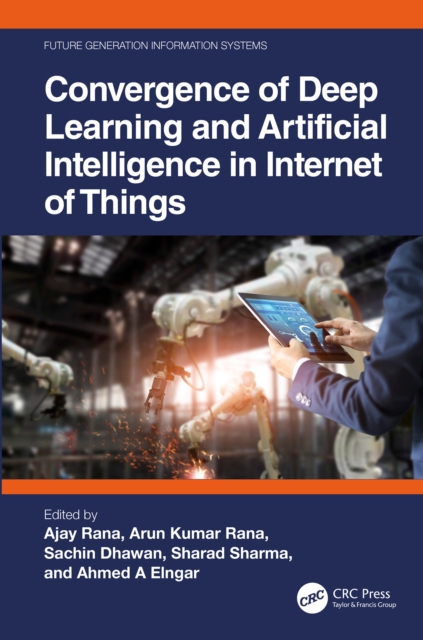
This book covers advances and applications of smart technologies including the Internet of Things (IoT), artificial intelligence, and deep learning in areas such as manufacturing, production, renewable energy, and healthcare.
This book covers advances and applications of smart technologies including the Internet of Things (IoT), artificial intelligence, and deep learning in areas such as manufacturing, production, renewable energy, and healthcare.
AI for Digital Warfare explores how the weaponising of artificial intelligence can and will change how warfare is being conducted, and what impact it will have on the corporate world.
AI for Digital Warfare explores how the weaponising of artificial intelligence can and will change how warfare is being conducted, and what impact it will have on the corporate world.
The application of deep learning methods to problems in natural language processing has generated significant progress across a wide range of natural language processing tasks.
The application of deep learning methods to problems in natural language processing has generated significant progress across a wide range of natural language processing tasks.
We create technology enabling us to do things never before possible and it ultimately changes the way we live, work, play, and interact with each other.
We create technology enabling us to do things never before possible and it ultimately changes the way we live, work, play, and interact with each other.
Knowledge-Based Intelligent Techniques in Character Recognition presents research results on intelligent character recognition techniques, reflecting the tremendous worldwide interest in the applications of knowledge-based techniques in this challenging field.
Knowledge-Based Intelligent Techniques in Character Recognition presents research results on intelligent character recognition techniques, reflecting the tremendous worldwide interest in the applications of knowledge-based techniques in this challenging field.
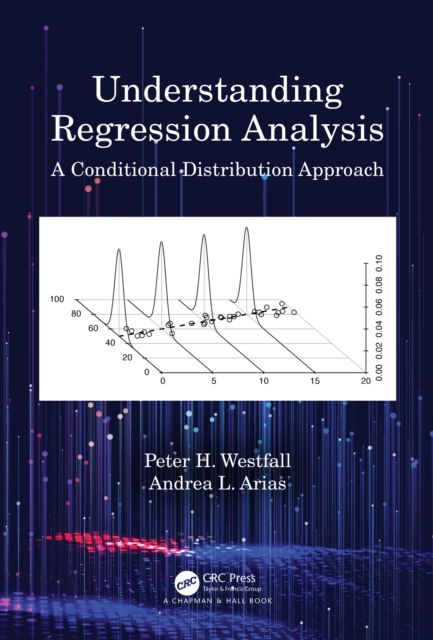
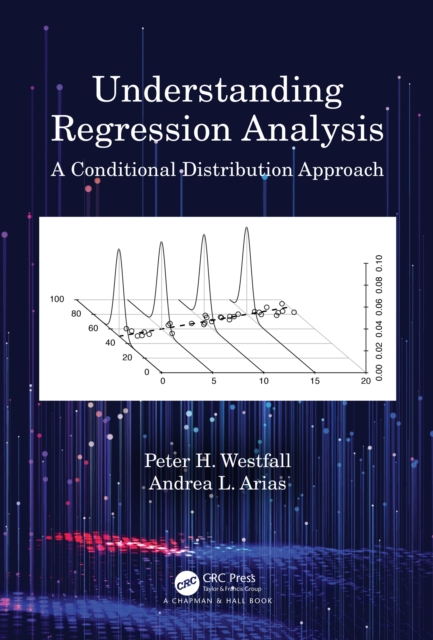
Understanding Regression Analysis unifies diverse regression applications including the classical model, ANOVA models, generalized models including Poisson, Negative binomial, logistic, and survival, neural networks, and decision trees under a common umbrella -- namely, the conditional distribution model.
Understanding Regression Analysis unifies diverse regression applications including the classical model, ANOVA models, generalized models including Poisson, Negative binomial, logistic, and survival, neural networks, and decision trees under a common umbrella -- namely, the conditional distribution model.
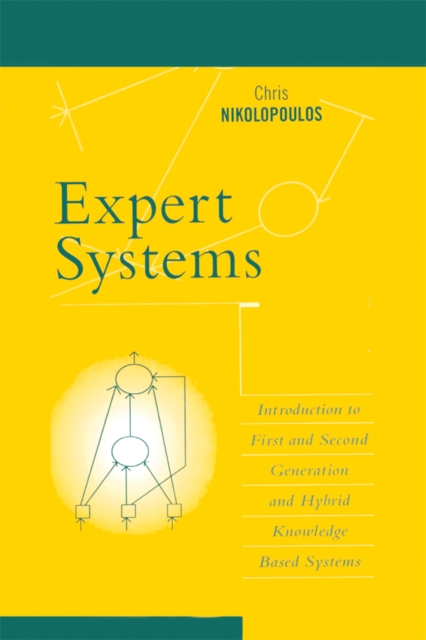
Offering an introduction to the field of expert/knowledge based systems, this text covers current and emerging trends as well as future research areas.
The book demystifies the concept of Artificial Intelligence (AI) in a friendly manner to kids, with the goal of stimulating their curiosity and driving their interest in learning about AI.
Master effective navigation of neural networks, including convolutions and transformers, to tackle computer vision and NLP tasks using PythonKey FeaturesUnderstand the theory, mathematical foundations and structure of deep neural networksBecome familiar with transformers, large language models, and convolutional networksLearn how to apply them to various computer vision and natural language processing problemsPurchase of the print or Kindle book includes a free PDF eBookBook DescriptionThe field of deep learning has developed rapidly recently and today covers a broad range of applications.
It is with great pleasure and enthusiasm that we welcome you to the International Conference on Advances in Computational Intelligence and its Applications (ICACIA-2023).
This book focuses on fractional order (non-integer order) modeling (FOM) techniques coupled with deep neural network-based intelligent modeling methods for lithium-ion batteries (LIBs) and battery management systems (BMS) in general.
State-of-the-art coverage of Kalman filter methods for the design of neural networks This self-contained book consists of seven chapters by expert contributors that discuss Kalman filtering as applied to the training and use of neural networks.
Minds and Machines: Connectionism and Psychological Modeling examines different kinds of models and investigates some of the basic properties of connectionism in the context of synthetic psychology, including detailed accounts of how the internal structure of connectionist networks can be interpreted.
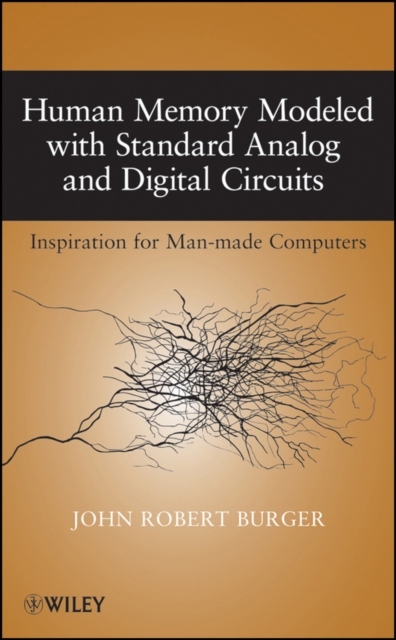
Gain a new perspective on how the brain works and inspires new avenues for design in computer science and engineering This unique book is the first of its kind to introduce human memory and basic cognition in terms of physical circuits, beginning with the possibilities of ferroelectric behavior of neural membranes, moving to the logical properties of neural pulses recognized as solitons, and finally exploring the architecture of cognition itself.
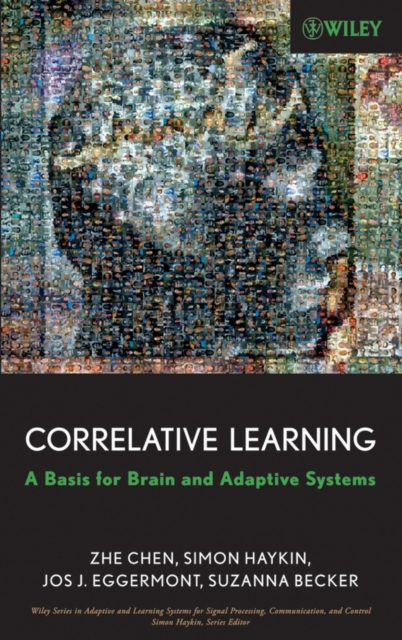
Correlative Learning: A Basis for Brain and Adaptive Systems provides a bridge between three disciplines: computational neuroscience, neural networks, and signal processing.
An accessible and up-to-date treatment featuring the connection between neural networks and statistics A Statistical Approach to Neural Networks for Pattern Recognition presents a statistical treatment of the Multilayer Perceptron (MLP), which is the most widely used of the neural network models.
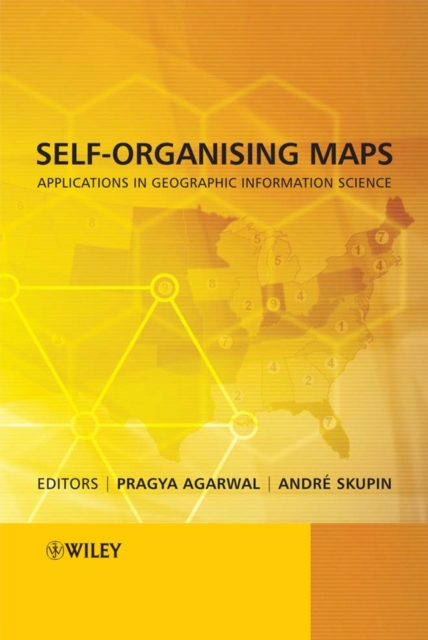
Self-Organising Maps: Applications in GI Science brings together the latest geographical research where extensive use has been made of the SOM algorithm, and provides readers with a snapshot of these tools that can then be adapted and used in new research projects.
Computational properties of use to biological organisms or to the construction of computers can emerge as collective properties of systems having a large number of simple equivalent components (or neurons).
Computational properties of use to biological organisms or to the construction of computers can emerge as collective properties of systems having a large number of simple equivalent components (or neurons).