The area of biologically inspired computing, or biological computation, involves the development of new, biologically based techniques for solving difficult computational problems.
As a powerful approach to data reasoning, rough set theory has proven to be invaluable in knowledge acquisition, decision analysis and forecasting, and knowledge discovery.
Although fuzzy systems and neural networks are central to the field of soft computing, most research work has focused on the development of the theories, algorithms, and designs of systems for specific applications.
Providing a thorough introduction to the field of soft computing techniques, Intelligent Systems: Modeling, Optimization, and Control covers every major technique in artificial intelligence in a clear and practical style.
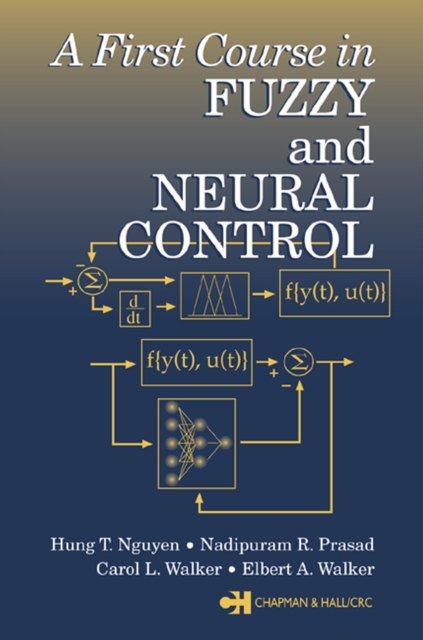
Although the use of fuzzy control methods has grown nearly to the level of classical control, the true understanding of fuzzy control lags seriously behind.
These authors use soft computing techniques and fractal theory in this new approach to mathematical modeling, simulation and control of complexion-linear dynamical systems.
Master advanced spaCy techniques, including custom pipelines, LLM integration, and model training, to build NLP solutions efficientlyKey FeaturesBuild end-to-end NLP workflows, from local development to production, using Weasel and FastAPIMaster no-training NLP development with spacy-llm, covering everything from prompt engineering to custom tasksCreate advanced NLP solutions, including custom components and neural coreference resolutionPurchase of the print or Kindle book includes a free PDF eBookBook DescriptionMastering spaCy, Second Edition is your comprehensive guide to building sophisticated NLP applications using the spaCy ecosystem.
In contrast to classical image analysis methods that employ "e;crisp"e; mathematics, fuzzy set techniques provide an elegant foundation and a set of rich methodologies for diverse image-processing tasks.
The Industrial Electronics Handbook, Second Edition combines traditional and newer, more specialized knowledge that will help industrial electronics engineers develop practical solutions for the design and implementation of high-power applications.
From household appliances to applications in robotics, engineered systems involving complex dynamics can only be as effective as the algorithms that control them.
Providing a thorough introduction to the field of soft computing techniques, Intelligent Systems: Modeling, Optimization, and Control covers every major technique in artificial intelligence in a clear and practical style.
Although fuzzy systems and neural networks are central to the field of soft computing, most research work has focused on the development of the theories, algorithms, and designs of systems for specific applications.
A deep dive into the key aspects and challenges of machine learning interpretability using a comprehensive toolkit, including SHAP, feature importance, and causal inference, to build fairer, safer, and more reliable models.
The book offers an insight on artificial neural networks for giving a robot a high level of autonomous tasks, such as navigation, cost mapping, object recognition, intelligent control of ground and aerial robots, and clustering, with real-time implementations.
The book offers an insight on artificial neural networks for giving a robot a high level of autonomous tasks, such as navigation, cost mapping, object recognition, intelligent control of ground and aerial robots, and clustering, with real-time implementations.
Deep learning algorithms have brought a revolution to the computer vision community by introducing non-traditional and efficient solutions to several image-related problems that had long remained unsolved or partially addressed.
Deep learning algorithms have brought a revolution to the computer vision community by introducing non-traditional and efficient solutions to several image-related problems that had long remained unsolved or partially addressed.
The articles gathered in this volume represent examples of a unique approach to the study of mental phenomena: a blend of theory and experiment, informed not just by easily measurable laboratory data but also by human introspection.
The articles gathered in this volume represent examples of a unique approach to the study of mental phenomena: a blend of theory and experiment, informed not just by easily measurable laboratory data but also by human introspection.
The result of the second Appalachian conference on neurodynamics, this volume focuses on the problem of "e;order,"e; its origins, evolution, and future.
The result of the second Appalachian conference on neurodynamics, this volume focuses on the problem of "e;order,"e; its origins, evolution, and future.
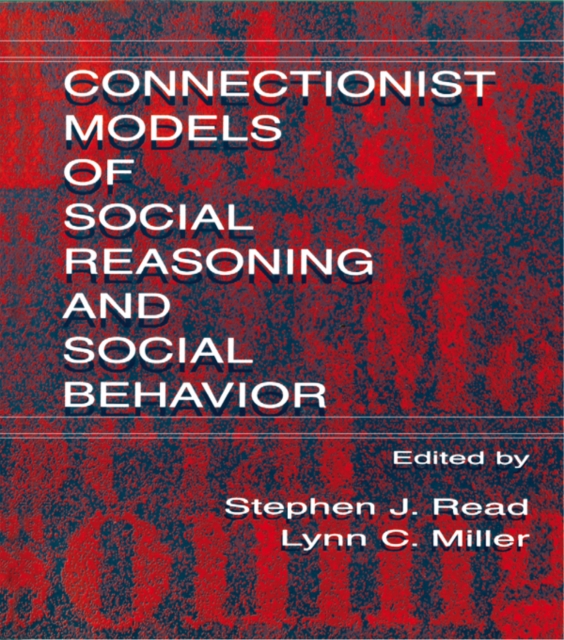
Although neural network models have had a dramatic impact on the cognitive and brain sciences, social psychology has remained largely unaffected by this intellectual explosion.
Although neural network models have had a dramatic impact on the cognitive and brain sciences, social psychology has remained largely unaffected by this intellectual explosion.
Centered around 20 major topic areas of both theoretical and practical importance, the World Congress on Neural Networks provides its registrants -- from a diverse background encompassing industry, academia, and government -- with the latest research and applications in the neural network field.
Centered around 20 major topic areas of both theoretical and practical importance, the World Congress on Neural Networks provides its registrants -- from a diverse background encompassing industry, academia, and government -- with the latest research and applications in the neural network field.
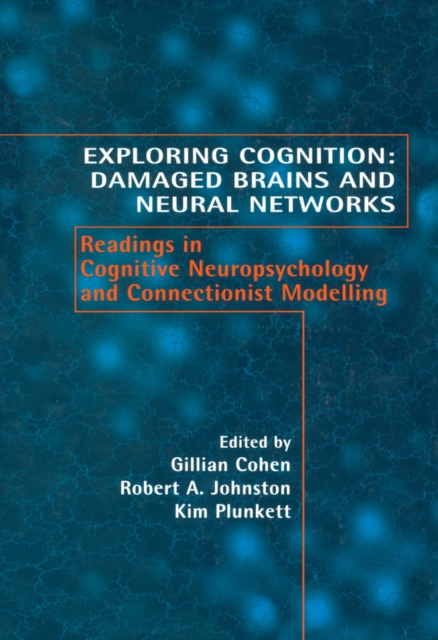
Exploring Cognition: Damaged Brains and Neural Networks analyses the contribution made by cognitive neuropsychology and connectionist modelling to theoretical explanations of cognitive processes.
Exploring Cognition: Damaged Brains and Neural Networks analyses the contribution made by cognitive neuropsychology and connectionist modelling to theoretical explanations of cognitive processes.
This reference text covers the theory and applications of soft computing and machine learning and presents readers with the intelligent fuzzy and neutrosophic rules that require situations where classical modeling approaches cannot be utilized, such as when there is incomplete, unclear, or imprecise information at hand or inadequate data.
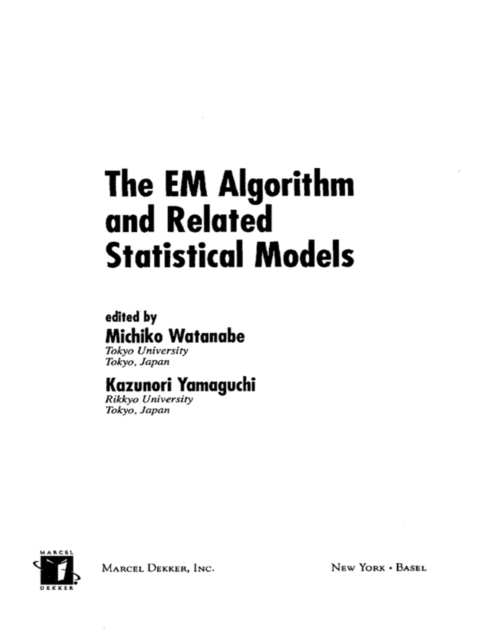
Exploring the application and formulation of the EM algorithm, The EM Algorithm and Related Statistical Models offers a valuable method for constructing statistical models when only incomplete information is available, and proposes specific estimation algorithms for solutions to incomplete data problems.
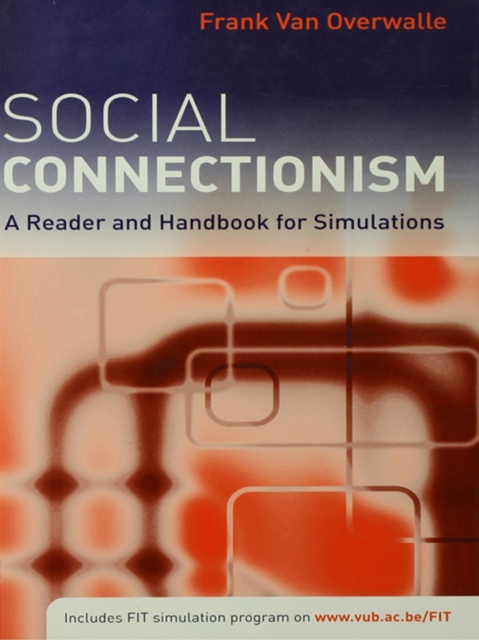
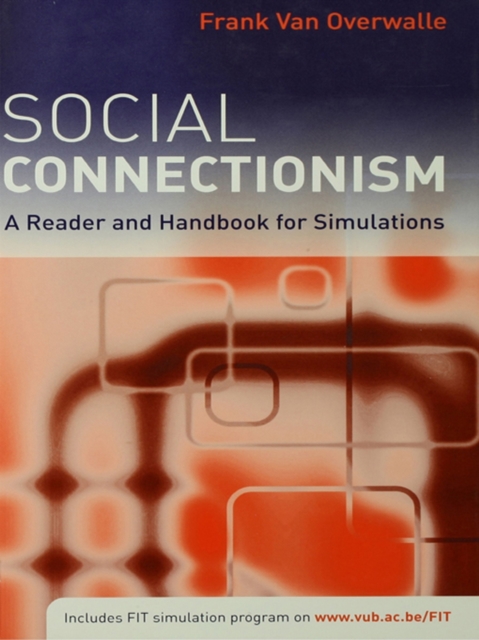
Many of our thoughts and decisions occur without us being conscious of them taking place; connectionism attempts to reveal the internal hidden dynamics that drive the thoughts and actions of both individuals and groups.
Many of our thoughts and decisions occur without us being conscious of them taking place; connectionism attempts to reveal the internal hidden dynamics that drive the thoughts and actions of both individuals and groups.
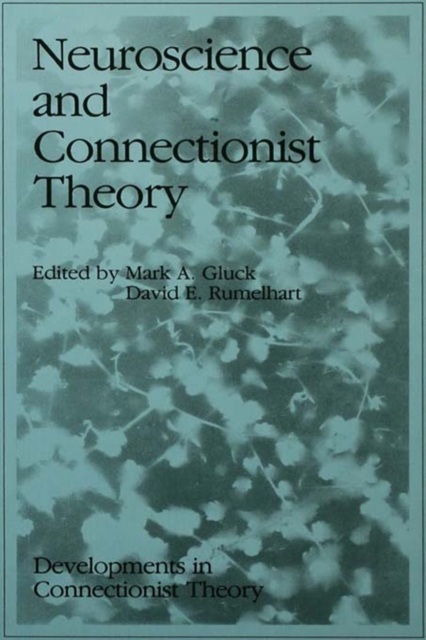
Written for cognitive scientists, psychologists, computer scientists, engineers, and neuroscientists, this book provides an accessible overview of how computational network models are being used to model neurobiological phenomena.
Written for cognitive scientists, psychologists, computer scientists, engineers, and neuroscientists, this book provides an accessible overview of how computational network models are being used to model neurobiological phenomena.
Explore the inner workings of AI along with its limitations and future developments and create your first transparent and trustworthy neuro-symbolic AI systemPurchase of the print or Kindle book includes a free PDF eBookKey FeaturesUnderstand symbolic and statistical techniques through examples and detailed explanationsExplore the potential of neuro-symbolic AI for future developments using case studiesDiscover the benefits of combining symbolic AI with modern neural networks to build transparent and high-performance AI solutionsBook DescriptionNeuro-symbolic AI offers the potential to create intelligent systems that possess both the reasoning capabilities of symbolic AI along with the learning capabilities of neural networks.
NeuroAnalysis investigates using the neural network and neural computation models to bridge the divide between psychology, psychoanalysis, and neuroscience when diagnosing mental health disorders and prescribing treatment.
NeuroAnalysis investigates using the neural network and neural computation models to bridge the divide between psychology, psychoanalysis, and neuroscience when diagnosing mental health disorders and prescribing treatment.
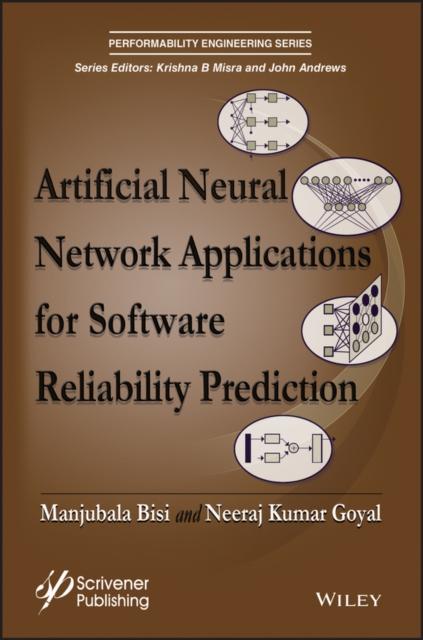
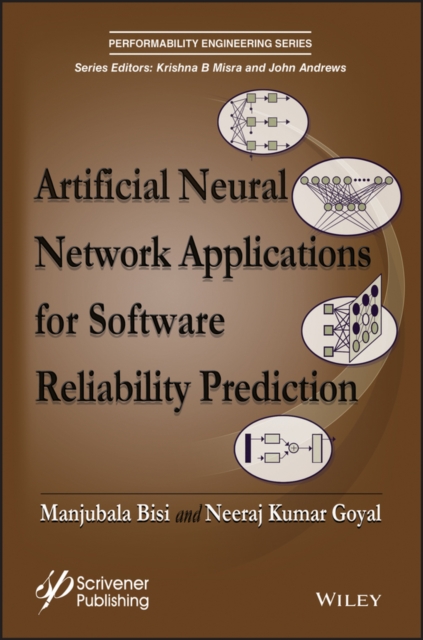
This book provides a starting point for software professionals to apply artificial neural networks for software reliability prediction without having analyst capability and expertise in various ANN architectures and their optimization.
This book provides a starting point for software professionals to apply artificial neural networks for software reliability prediction without having analyst capability and expertise in various ANN architectures and their optimization.
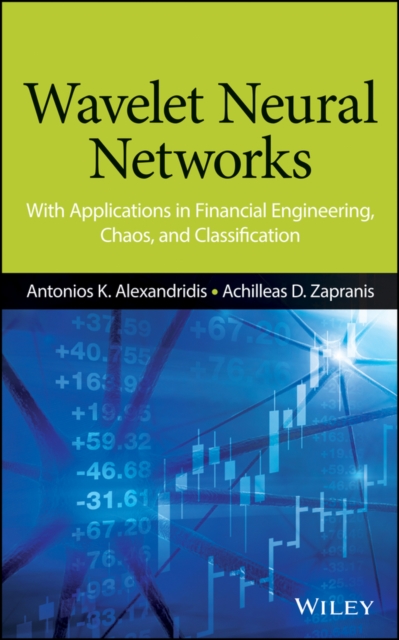
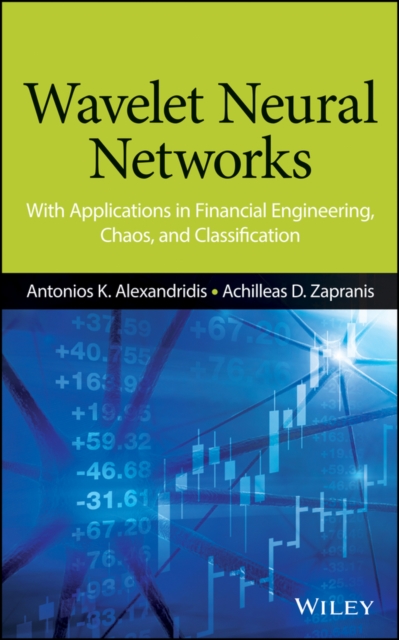
A step-by-step introduction to modeling, training, and forecasting using wavelet networks Wavelet Neural Networks: With Applications in Financial Engineering, Chaos, and Classification presents the statistical model identification framework that is needed to successfully apply wavelet networks as well as extensive comparisons of alternate methods.
A step-by-step introduction to modeling, training, and forecasting using wavelet networks Wavelet Neural Networks: With Applications in Financial Engineering, Chaos, and Classification presents the statistical model identification framework that is needed to successfully apply wavelet networks as well as extensive comparisons of alternate methods.
Presents the latest advances in complex-valued neural networks by demonstrating the theory in a wide range of applications Complex-valued neural networks is a rapidly developing neural network framework that utilizes complex arithmetic, exhibiting specific characteristics in its learning, self-organizing, and processing dynamics.
Presents the latest advances in complex-valued neural networks by demonstrating the theory in a wide range of applications Complex-valued neural networks is a rapidly developing neural network framework that utilizes complex arithmetic, exhibiting specific characteristics in its learning, self-organizing, and processing dynamics.