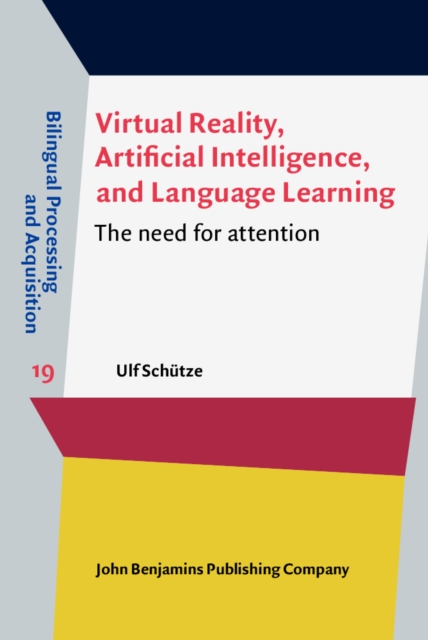
It is intriguing and challenging to learn a language by diving into the worlds of Virtual Reality (3-D environments, avatars, games) and Artificial Intelligence (chatbots, agents).
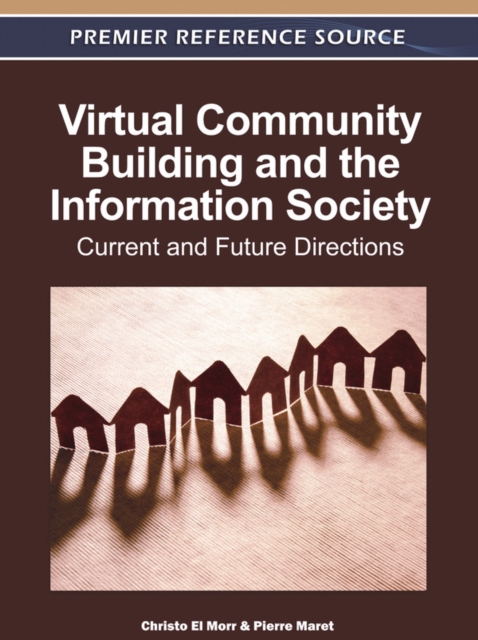
Emergent technologies, including ambient intelligence and pervasive computing, promise a considerable advance in the way people use virtual communities, and new, innovative applications are making virtual communities more dynamic and usable than ever.
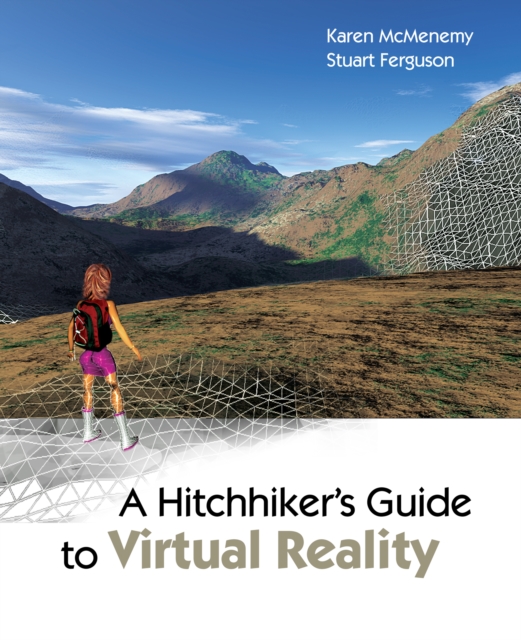
A Hitchhiker's Guide to Virtual Reality brings together under one cover all the aspects of graphics, video, audio, and haptics that have to work together to make virtual reality a reality.
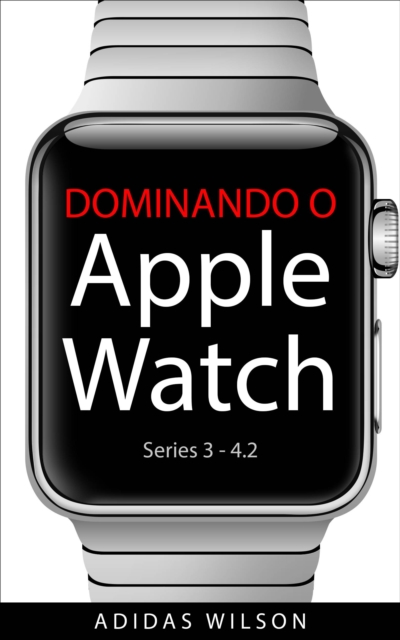
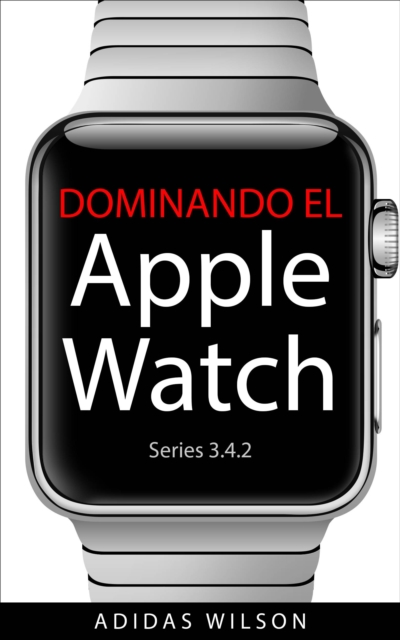
En esta guía usted aprenderá a configurar todas las opciones de su Apple Watch, desde lo más simple como poner la hora correcta, hasta opciones más avanzadas, como medir frecuencia del ritmo cardíaco a través de dispositivos externos.
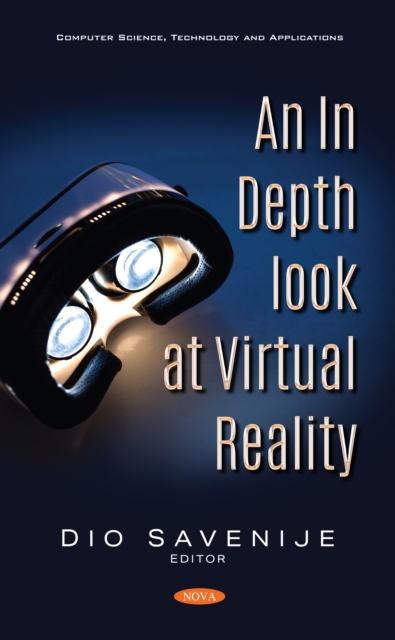
An In Depth Look at Virtual Reality summarizes research findings relating to virtual reality implementation for pain assessment and treatment, reviewing the literature in pediatric and adult pain care for acute and chronic conditions across several pain populations.
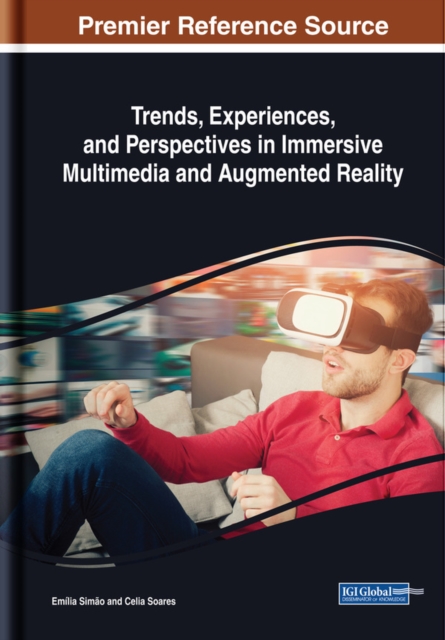
The concept of immersive multimedia, which is closely related to concepts of augmented reality, brings opportunities in art, education, entertainment, and technology.
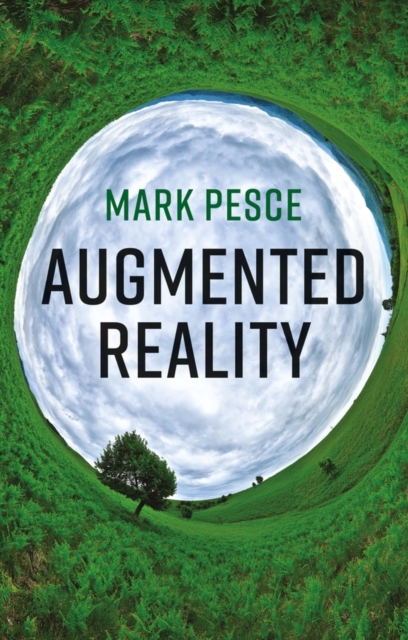
Slated as the next big thing in tech , augmented reality promises to take the screen out of our hands and wrap it around the world via smart spectacles .
When studying medicine, healthcare, and medical sciences disciplines, learners are frequently required to visualise and understand complex three-dimensional concepts.
Das Buch "FlexCAR: Die Forschungsplattform von morgen" beschreibt ein innovatives Forschungsprojekt, das sich mit flexiblen Produkt- und Produktionskonzepten für modulare Fahrzeuge beschäftigt.
This volume brings together a number of the leading practitioners and exponents in the field of virtual reality (VR), and explores some of the main issues in the area and its associated hardware and software technology.
Written as the successor to Virtual World Design: Creating Immersive Virtual Environments, this book carries the ideas brought forward in its predecessor to new levels of virtual world design exploration and experimentation.
Named a Best Book of the Year by the Economist, Wall Street Journal & Vox The father of virtual reality (Sunday Times) explains why virtual reality presents the ultimate test for humanity.
This edited volume encompasses chapters on novel and innovative research in the applications of leading digital technologies in an accessible and engaging way.
Emergent technologies, including ambient intelligence and pervasive computing, promise a considerable advance in the way people use virtual communities, and new, innovative applications are making virtual communities more dynamic and usable than ever.
With the power to gather people with similar interests together, virtual communities have gained attention by not only practitioners, but researchers, as well.
With the power to gather people with similar interests together, virtual communities have gained attention by not only practitioners, but researchers, as well.