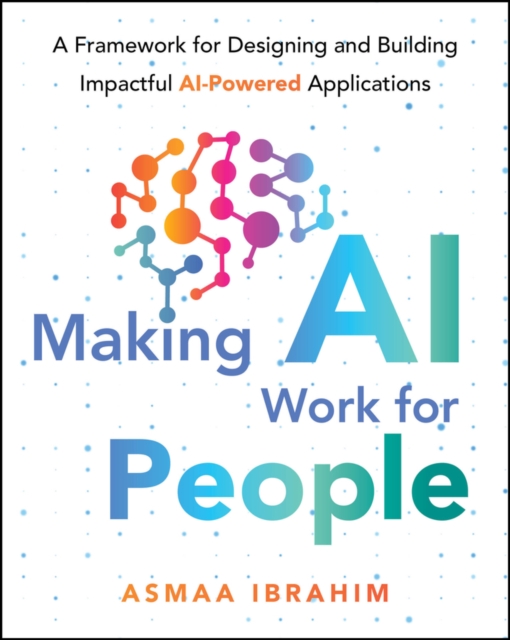
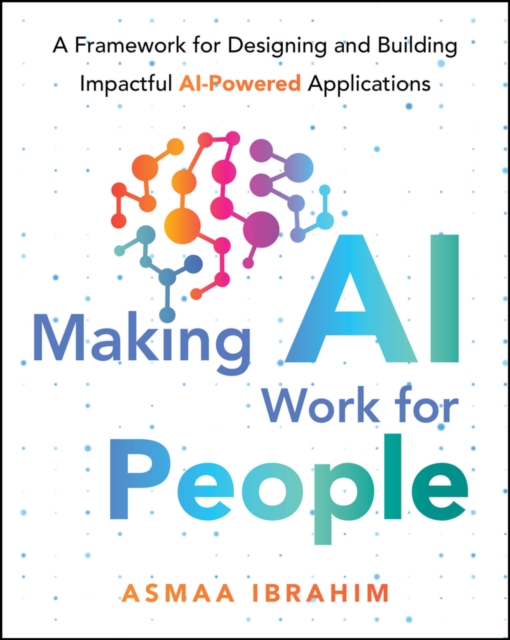
Design AI applications that inspire trust, solve real problems, and put people first Making AI Work for People: A Framework for Designing and Building Impactful AI-Powered Applications by Asmaa Ibrahim offers software engineers, product managers, and app designers a comprehensive framework for creating AI-powered applications that truly serve humanity.
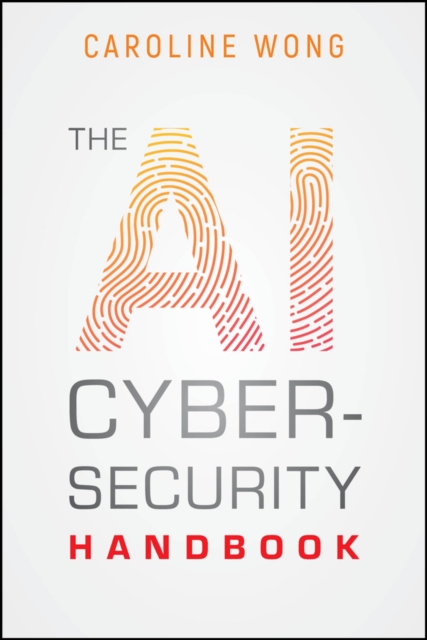
An up-to-date exploration of how AI is transforming cybersecurity and how to implement AI in your organization s cyber defenses to meet today s evolving threat landscape In The AI Cybersecurity Handbook, author Caroline Wong examines AI s impact on both offensive and defensive cybersecurity strategies.
Design AI applications that inspire trust, solve real problems, and put people first Making AI Work for People: A Framework for Designing and Building Impactful AI-Powered Applications by Asmaa Ibrahim offers software engineers, product managers, and app designers a comprehensive framework for creating AI-powered applications that truly serve humanity.
Die Modellierung von Business-Intelligence-Systemen (BI) umfasst eine Vielzahl unterschiedlicher Facetten, die im Kontext von Operational BI, agile Warehousing, Real-Time und Self-Service BI zu bewerten sind.
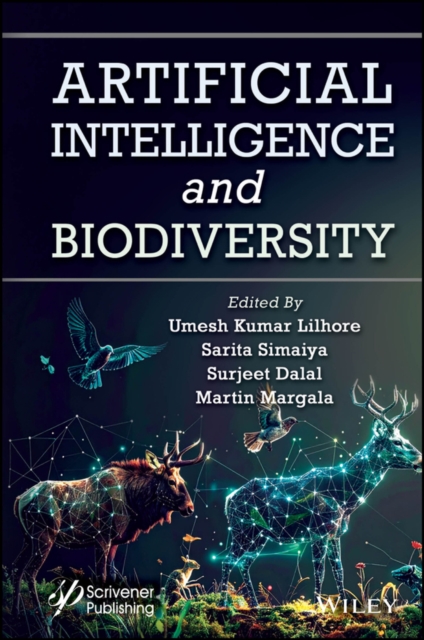
Harness the power of the digital frontier to save our planet with this essential guide, which demonstrates how deep learning, genetic engineering, and AI-based robotics can be integrated to track biodiversity, restore genetic diversity, and rebuild fragile ecosystems with unprecedented precision.
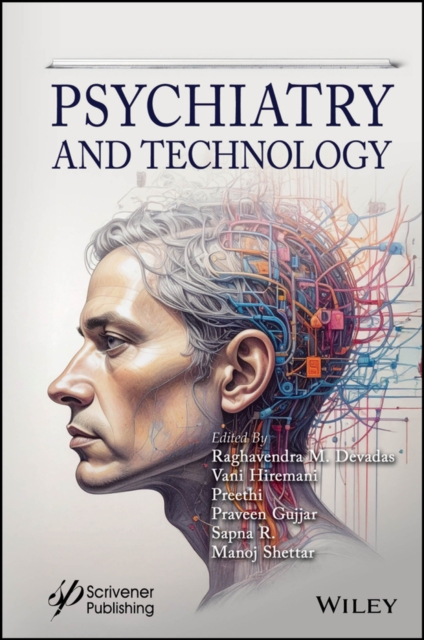
Modernize your psychiatric practice with this comprehensive guide, which explores the transformative power of AI-powered therapy, virtual reality exposure therapy, and digital health technologies to create more accessible, personalized, and effective mental health interventions.
Dieses Buch zeigt Ihnen Schritt für Schritt, wie der Instagram-Algorithmus wirklich funktioniert – verständlich erklärt, praxisnah und direkt umsetzbar.
La presente publicacion propone una vision integral y actual sobre los desafios que la inteligencia artificial plantea al Derecho penal en la era digital, combinando el analisis filosofico, dogmatico y practico de los problemas emergentes.
El presente volumen aborda los principales retos que plantea la transformación tecnológica contemporánea a los marcos jurídicos, económicos y sociales que sustentan la convivencia democrática.
En plena revolucion de la inteligencia artificial, la humanidad comienza a redescubrir una verdad incomoda y fascinante: la mente neurodivergente no es una desviacion de la norma, sino una fuente inagotable de creatividad, velocidad cognitiva y pensamiento disruptivo que el mundo empieza a necesitar con urgencia.
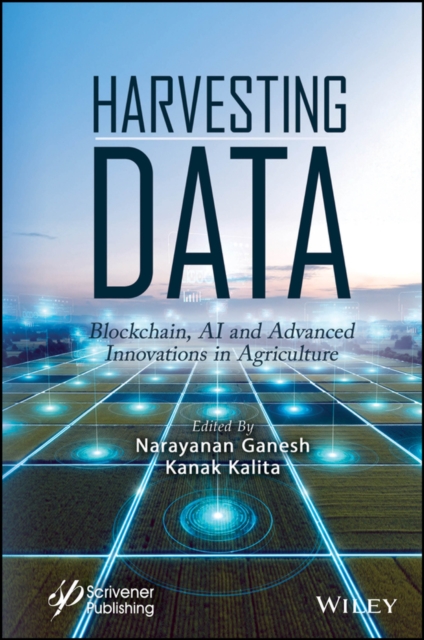
Cultivate a more profitable and sustainable future for your agricultural operations with this essential book, which provides expert insights and real-world examples of how blockchain technology can revolutionize food safety, supply chain transparency, and market access for farmers globally.
In an age where AI-driven systems learn autonomously, cloud platforms scale in seconds, and digital operations shape the destiny of every organization, one question defines modern leadership: Are we truly realizing value from our technology investments?
Digital transformation consulting is entering its most consequential phase yet—not because technology is advancing faster, but because intelligence itself is becoming embedded in how organizations decide.