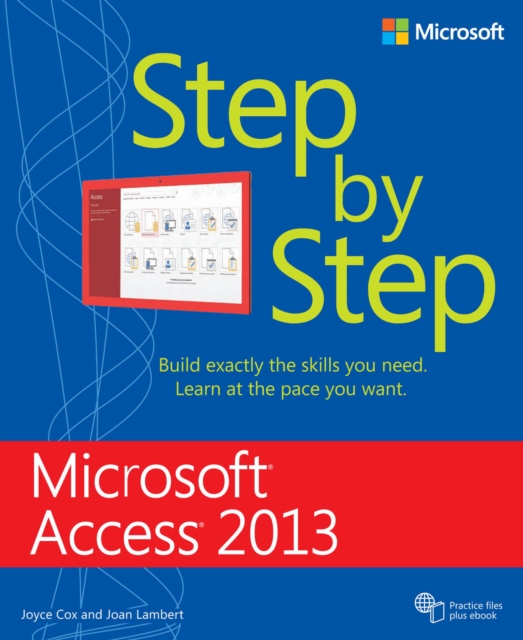
Updated to cover all the latest features and capabilities of Access 2007, this resource provides new and inexperienced Access users with eight task-oriented minibooks that cover begininning to advanced-level material Each minibook covers a specific aspect of Access, such as database design, tables, queries, forms, reports, and macros Shows how to accomplish specific tasks such as database housekeeping, security data, and using Access with the Web Access is the world's leading desktop database solution and is used by millions of people to store, organize, view, analyze, and share data, as well as to build powerful, custom database solutions that integrate with the Web and enterprise data sources
Get the scoop on designing databases for Mac and Windows Use FileMaker Pro design and scripting to quickly, easily build databases that solve real problems FileMaker Pro has grown up, and it's better than ever!
Data engineering has grown rapidly in the past decade, leaving many software engineers, data scientists, and analysts looking for a comprehensive view of this practice.
Data engineering has grown rapidly in the past decade, leaving many software engineers, data scientists, and analysts looking for a comprehensive view of this practice.
A Comprehensive Study of SQL - Practice and Implementation is designed as a textbook and provides a comprehensive approach to SQL (Structured Query Language), the standard programming language for defining, organizing, and exploring data in relational databases.
A Comprehensive Study of SQL - Practice and Implementation is designed as a textbook and provides a comprehensive approach to SQL (Structured Query Language), the standard programming language for defining, organizing, and exploring data in relational databases.
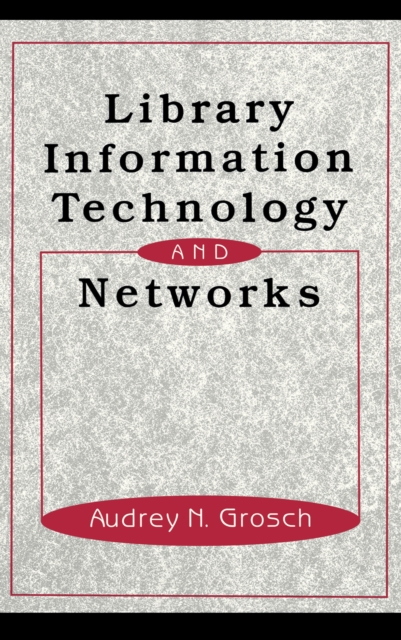
Offers an historical perspective of the past 25 years of computers in libraries, profileing currently available processing systems according to their size and platform.
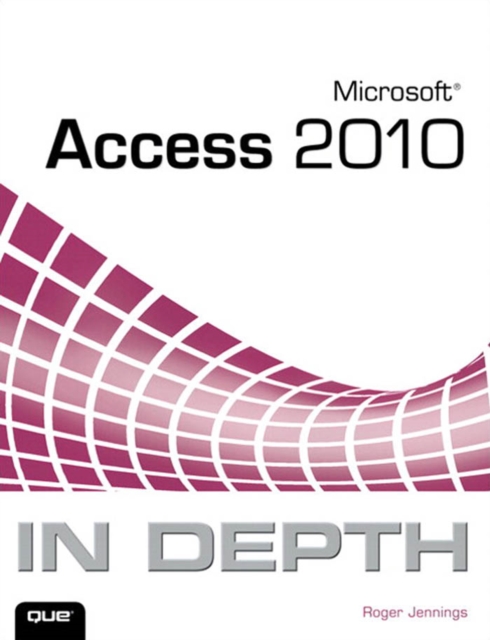
Access 2010 In Depth is the beyond-the-basics, beneath-the-surface guide for everyone who wants to streamline their work with Access 2010, and get more done in less time.
Taking readers through the basics of the language, right up to some more advanced topics, this book is a practical, hands-on resource and aims to keep the reader involved at all times Focuses on the SQL standard and is loaded with detailed examples and code; each chapter includes practice exercises that readers can challenge themselves with before looking at the sample solutions in the appendix Paul Wilton is a successful Wrox "e;Beginning"e; book author and is an ideal author to write for those who want a firm grasp of standard SQL before learning the details specific to a particular database product SQL is an international standard for manipulating data in databases and is used by database programmers in all major database systems: Microsoft, IBM, Oracle, MySQL, and many others
For all the buzz about trendy IT techniques, data processing is still at the core of our systems, especially now that enterprises all over the world are confronted with exploding volumes of data.
The Oracle Utilities Pocket Reference is a handy, quick-reference guide to the multitude of Oracle utilities that database administrators (DBAs) use every hour of every day.
As part of the Microsoft Office suite, Access has become the industry's leading desktop database management program for organizing, accessing, and sharing information.
The Unix for Oracle DBAs Pocket Reference puts within easy reach the commands that Oracle database administrators need most when operating in a Unix environment.
The Oracle Utilities Pocket Reference is a handy, quick-reference guide to the multitude of Oracle utilities that database administrators (DBAs) use every hour of every day.
The Oracle SQLPlus Pocket Reference is a must-have for anyone working with Oracle databases, especially those looking to maximize the effectiveness of SQLPlus.
One of the most important challenges faced by Oracle database administrators and Oracle developers is the need to tune SQL statements so that they execute efficiently.
Oracle designed its database products to be flexible and configurable so they would operate on a variety of hardware platforms, and they succeeded--Oracle software runs on more than seventy computer platforms, from mainframes to PC networks to handheld PDAs.
If you use MySQL, you know why it's the world's most popular open source database: small, fast, and powerful, and so rich in features that no administrator or programmer can stay familiar with all of them.