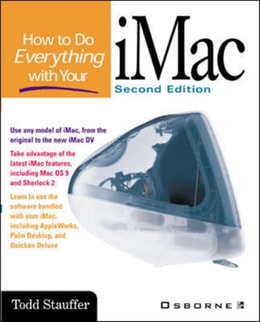
The #1 Office Suite extends desktop productivity to the Web--allowing users to streamline work, collaborate with others, and manage information easier than every before!
Wie wir uns auflösen und warum wir uns neu erfinden müssenDie Digitalisierung verändert uns und unsere Welt fundamental: Die Differenz-Revolution vereinzelt die Menschen radikal und verstärkt die Ungleichheit.
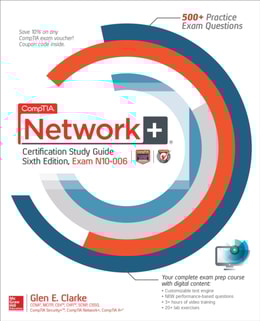
The best IT certification exam study system available for CompTIA Network+ Exam N10-006With hundreds of practice exam questions, including new performance-based types, CompTIA Network+ Certification Study Guide, Sixth Edition (Exam N10-006) covers everything you need to know to prepare for this challenging exam.
Publisher's Note: Products purchased from Third Party sellers are not guaranteed by the publisher for quality, authenticity, or access to any online entitlements included with the product.
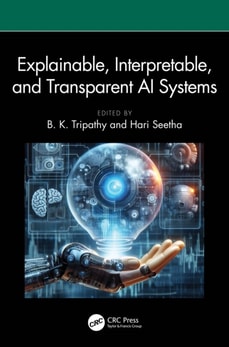
Transparent Artificial Intelligence (AI) systems facilitate understanding of the decision-making process and provide opportunities in various aspects of explaining AI models.
This volume looks at the forms and functions of counterspeech as well as what determines its effectiveness and success from multidisciplinary perspectives.
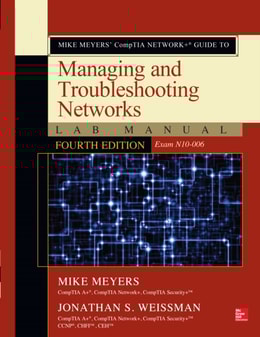
Practice the Skills Essential for a Successful IT CareerMike Meyers CompTIA Network+ Guide to Managing and Troubleshooting Networks Lab Manual, Fourth Edition features:80+ lab exercises challenge you to solve problems based on realistic case studiesLab analysis tests measure your understanding of lab resultsStep-by-step scenarios require you to think criticallyKey term quizzes help build your vocabularyGet complete coverage of key skills and concepts, including:Network architecturesCabling and topologyEthernet basicsNetwork installationTCP/IP applications and network protocolsRoutingNetwork namingAdvanced networking devicesIPv6Remote connectivityWireless networkingVirtualization and cloud computingNetwork operationsManaging riskNetwork securityNetwork monitoring and troubleshootingInstructor resources available:This lab manual supplements the textbook Mike Meyers' CompTIA Network+ Guide to Managing and Troubleshooting Networks, Fourth Edition (Exam N10-006), which is available separatelySolutions to the labs are not printed in the book and are only available to adopting instructors
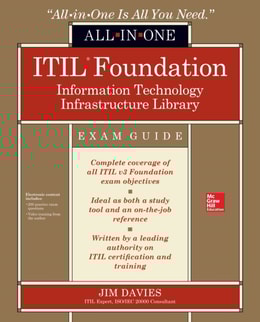
Written by an Information Technology Infrastructure Library (ITIL) consulting and training expert, this all-new guide helps you pass the ITIL v3 Foundation certification exam and serves as an on-the-job reference.
The most complete and current guide to successful online genealogyConduct effective genealogical research using the experttechniques and innovative tools in this fully updated, bestselling resource.
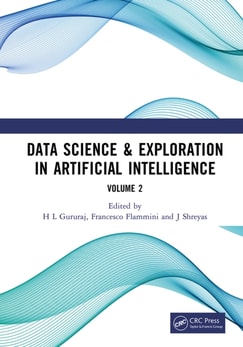
The book captures the essence of the International Conference on Data Science & Exploration in Artificial Intelligence and offers a comprehensive exploration of cutting-edge research in AI, data science, and their applications.
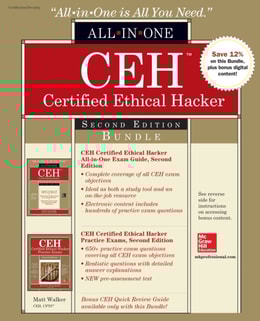
Fully revised for the CEH v8 exam objectives, this money-saving self-study bundle includes two eBooks, electronic content, and a bonus quick review guide.
The Only Corel-Authorized Guide to CorelDRAW X7CorelDRAW X7: The Official Guide shows you how to create photorealistic illustrations, lay out text and graphics, import and edit photos, add special effects to vector art and photos, and transform 2D objects into 3D artwork.
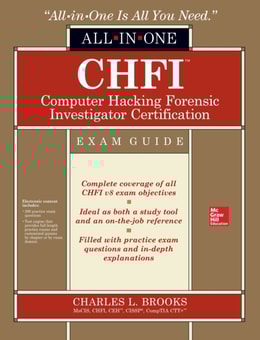
An all-new exam guide for version 8 of the Computer Hacking Forensic Investigator (CHFI) exam from EC-CouncilGet complete coverage of all the material included on version 8 of the EC-Council's Computer Hacking Forensic Investigator exam from this comprehensive resource.
Master Oracle Mobile Application FrameworkIn Oracle Mobile Application Framework Developer Guide, Oracle ACE Luc Bors explains how to use this powerful tool to create multiplatform mobile apps based on a single code base.
On the one hand AI is hailed as a driver of unprecedented progress, with the potential to alleviate poverty, expand access to education, and improve healthcare outcomes, and on the other, critics highlight risks such as bias, surveillance, erosion of accountability, and even the possibility of autonomous systems escaping human control.
On the one hand AI is hailed as a driver of unprecedented progress, with the potential to alleviate poverty, expand access to education, and improve healthcare outcomes, and on the other, critics highlight risks such as bias, surveillance, erosion of accountability, and even the possibility of autonomous systems escaping human control.