Essential Mathcad for Engineering, Science, and Math w/ CD, Second Edition, introduces the most powerful functions and features of the software and teaches their application to create comprehensive calculations for any quantitative subject.
The classic reference, with over 25,000 copies in print, has been massively expanded and thoroughly updated to include state-of-the-art methods and 400+ all-new full color images!
Driven by the demands of research and the entertainment industry, the techniques of animation are pushed to render increasingly complex objects with ever-greater life-like appearance and motion.
Developers are used to working with Wizards, component-like products that allow them to create certain elements - like dialog buttons - quickly and easily while they are coding applications.
Information systems with an abundance of graphics data are growing rapidly due to advances in data storage technology, the development of multimedia communications across networks, and the fact that parallel computers are leading to faster image processing systems.
Policy Issues in Modern Cartography contains the views of national mapping agencies, legal scholars, the library community, the private sector and academia on these and many other important issues.
This book provides a comprehensive coverage of the fields Geometric Modeling, Computer-Aided Design, and Scientific Visualization, or Computer-Aided Geometric Design.
The computer-aided design of novel molecular systems has undoubtedly reached the stage of a mature discipline offering a broad range of tools available to virtually any chemist.
David Gould's acclaimed first book, Complete Maya Programming: An Extensive Guide to MEL and the C++ API, provides artists and programmers with a deep understanding of the way Maya works and how it can be enhanced and customized through programming.
This book represents a summary of the research we have been conducting since the early 1990s, and describes a conceptual framework which addresses some current shortcomings, and proposes a unified approach for a broad class of problems.
These days computer-generated fractal patterns are everywhere, from squiggly designs on computer art posters to illustrations in the most serious of physics journals.
When some useful information is hidden behind a mass of unwanted information we often resort to information processing used in its broad sense or specifically to signal processing when the useful information is a waveform.
The rapid advances and industry demands for networked delivery of information and pictures through computer networks and cable television has created a need for new techniques and standards for the packaging and delivery of digital information.
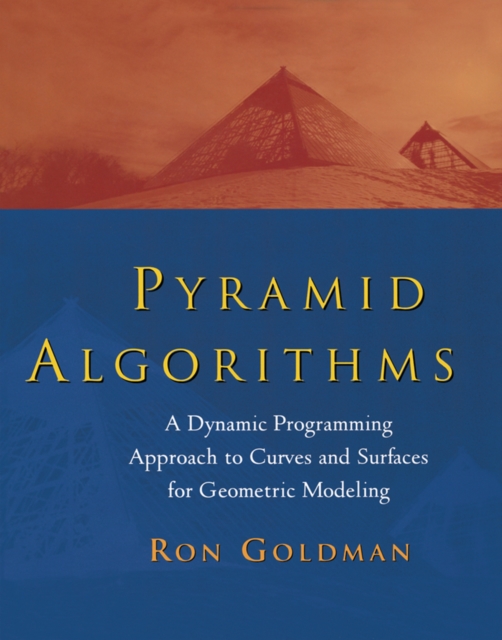
Pyramid Algorithms presents a unique approach to understanding, analyzing, and computing the most common polynomial and spline curve and surface schemes used in computer-aided geometric design, employing a dynamic programming method based on recursive pyramids.
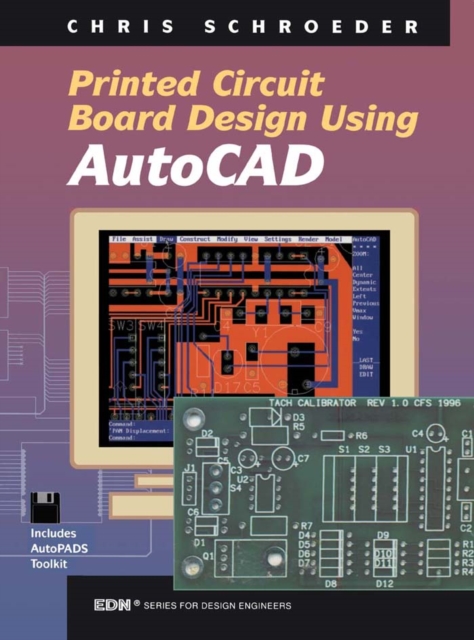
Designing PCBs is made easier with the help of today's sophisticated CAD tools, but many companies' requirements do not justify the acquisition cost and learning curve associated with specialized PCB design software.
This book will take readers from the discovery of vulnerabilities and the creation of the corresponding exploits, through a complete security assessment, all the way through deploying patches against these vulnerabilities to protect their networks.
Readings in Multimedia Computing and Networking captures the broad areas of research and developments in this burgeoning field, distills the key findings, and makes them accessible to professionals, researchers, and students alike.
Now that PC users have entered the realm of programmable hardware, graphics programmers can create 3D images and animations comparable to those produced by RenderMan's procedural programs--but in real time.
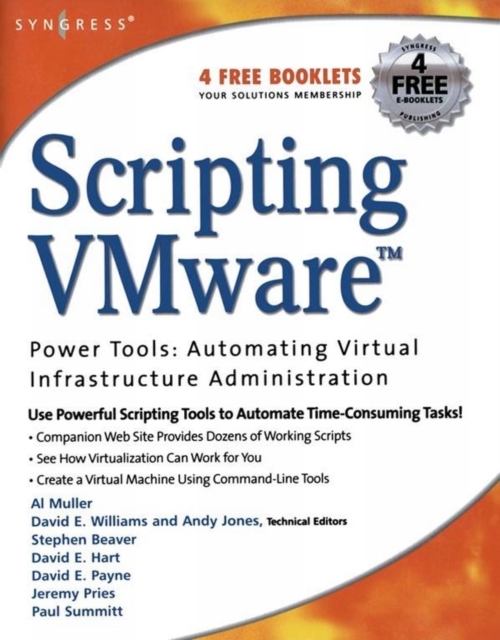
This book contains simple and advanced scripting using both ESX and Linux commands to provide awesome virtual tools to automate administrative tasks of ESX Server.
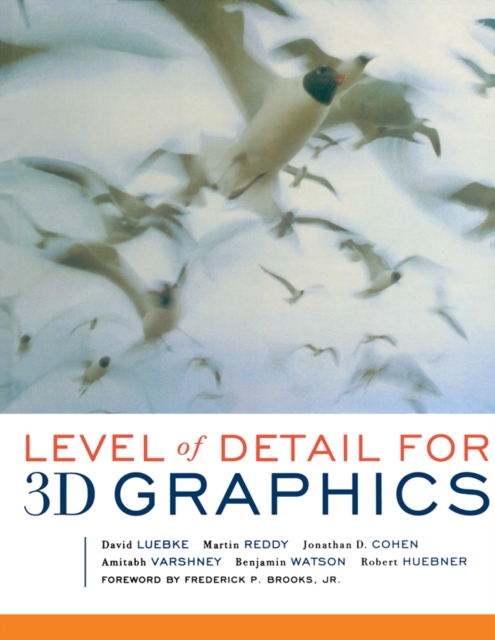
Level of detail (LOD) techniques are increasingly used by professional real-time developers to strike the balance between breathtaking virtual worlds and smooth, flowing animation.
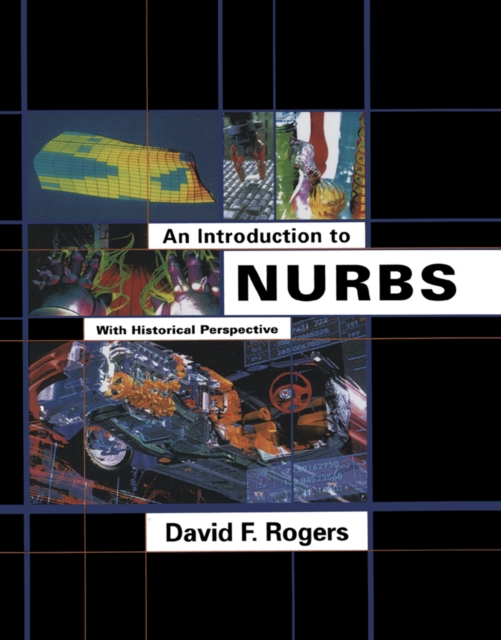
The latest from a computer graphics pioneer, An Introduction to NURBS is the ideal resource for anyone seeking a theoretical and practical understanding of these very important curves and surfaces.
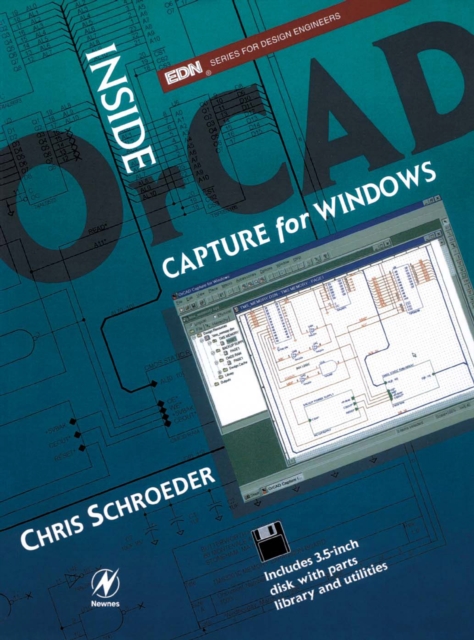
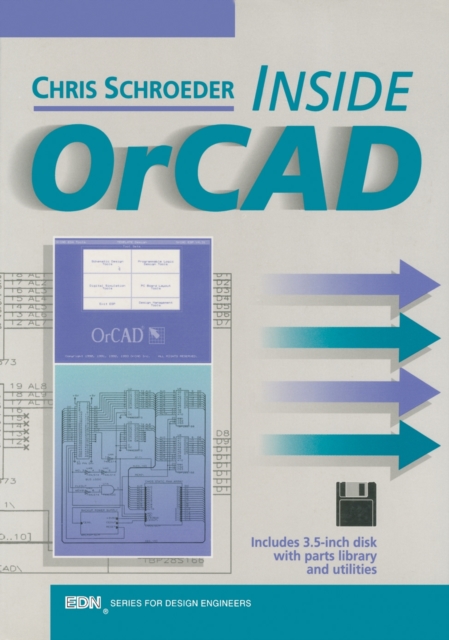
Inside OrCAD Capture for Windows is a reference manual and tutorial for engineers and technicians who use OrCAD as an engineering design assistance (EDA) tool.
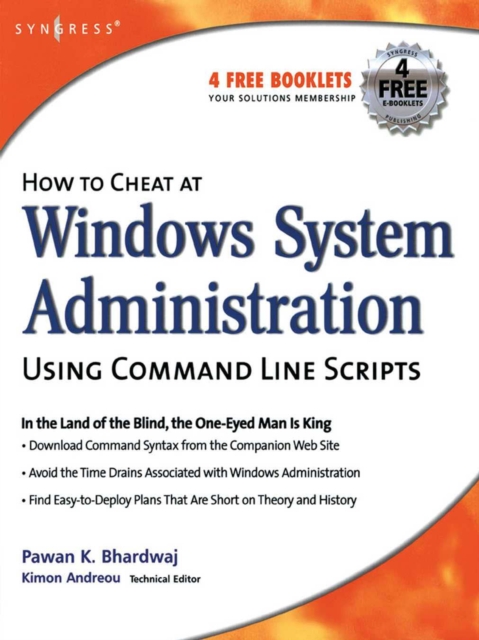
How to Cheat at Windows Systems Administrators using Command Line Scripts teaches system administrators hundreds of powerful, time-saving tips for automating daily system administration tasks using Windows command line scripts.
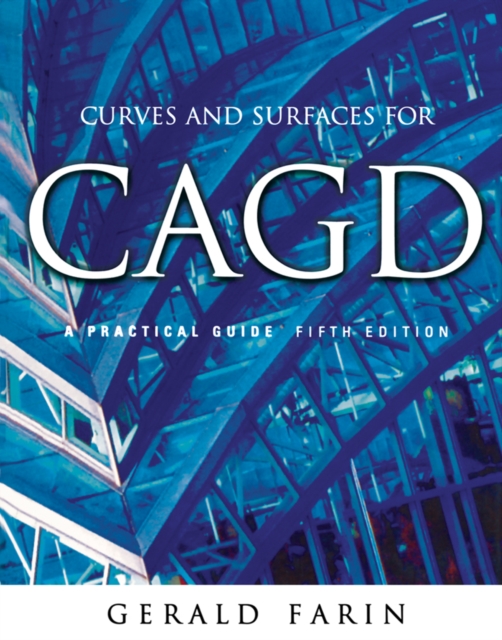
This fifth edition has been fully updated to cover the many advances made in CAGD and curve and surface theory since 1997, when the fourth edition appeared.
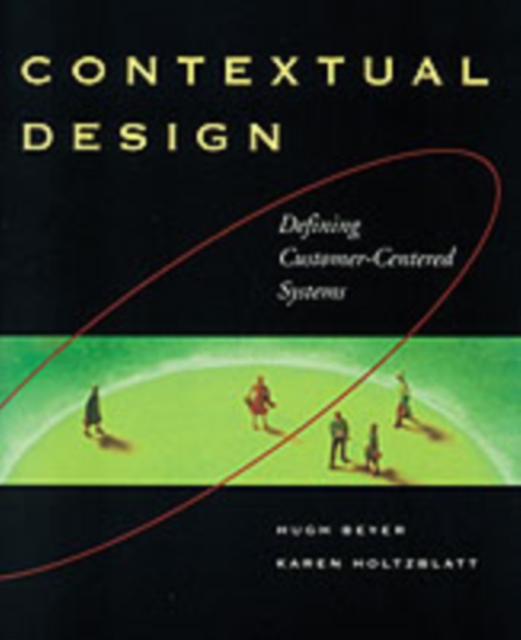
This book introduces a customer-centered approach to business by showing how data gathered from people while they work can drive the definition of a product or process while supporting the needs of teams and their organizations.
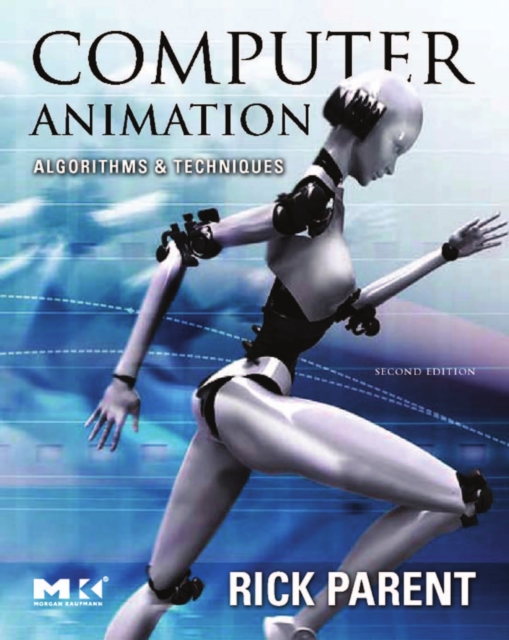
Whether you're a programmer developing new animation functionality or an animator trying to get the most out of your current animation software, Computer Animation: Algorithms and Techniques will help work more efficiently and achieve better results.
Rapidly evolving computer and communications technologies have achieved data transmission rates and data storage capacities high enough for digital video.
This sequel to Graphics Gems (Academic Press, 1990), and Graphics Gems II (Academic Press, 1991) is a practical collection of computer graphics programming tools and techniques.