First published in 1998, this volume collates essays from the perspectives of African women, this volume presents us with equality and access rights faced by African women.
First published in 1998, this volume collates essays from the perspectives of African women, this volume presents us with equality and access rights faced by African women.
First published in 1996, this volume explores the role of IT in the social services sector and provides solutions to problems of information flow and management, with contributors and researchers experienced in statistics, planning and policy for social services.
First published in 1996, this volume explores the role of IT in the social services sector and provides solutions to problems of information flow and management, with contributors and researchers experienced in statistics, planning and policy for social services.
Technologies such as artificial intelligence have led to significant advances in science and medicine, but have also facilitated new forms of repression, policing and surveillance.
Technologies such as artificial intelligence have led to significant advances in science and medicine, but have also facilitated new forms of repression, policing and surveillance.
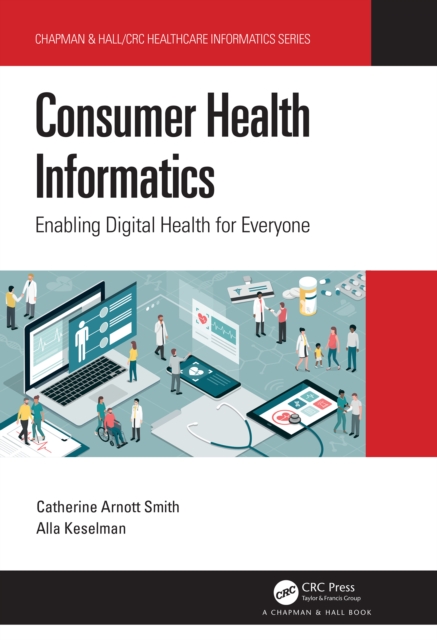
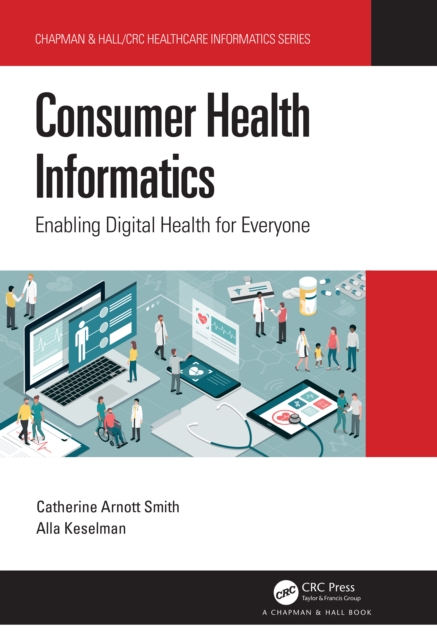
"e;An engaging introduction to an exciting multidisciplinary field where positive impact depends less on technology than on understanding and responding to human motivations, specific information needs, and life constraints.
"e;An engaging introduction to an exciting multidisciplinary field where positive impact depends less on technology than on understanding and responding to human motivations, specific information needs, and life constraints.
Implementing Digital Forensic Readiness: From Reactive to Proactive Process, Second Edition presents the optimal way for digital forensic and IT security professionals to implement a proactive approach to digital forensics.
Implementing Digital Forensic Readiness: From Reactive to Proactive Process, Second Edition presents the optimal way for digital forensic and IT security professionals to implement a proactive approach to digital forensics.
This book critically examines 'smart city' discourse in terms of governance initiatives, citizen participation and policies which place emphasis on the 'citizen' as an active recipient and co-producer of technological solutions to urban problems.
This book critically examines 'smart city' discourse in terms of governance initiatives, citizen participation and policies which place emphasis on the 'citizen' as an active recipient and co-producer of technological solutions to urban problems.
In this comprehensive and clear introduction to contemporary social theory, Anthony Elliott and Charles Lemert explore the major theoretical traditions from the Frankfurt School to the digital revolution and beyond.
In this comprehensive and clear introduction to contemporary social theory, Anthony Elliott and Charles Lemert explore the major theoretical traditions from the Frankfurt School to the digital revolution and beyond.
Communication and Learning in an Age of Digital Transformation provides cross-disciplinary perspectives on digitization as social transformation and its impact on communication and learning.
Communication and Learning in an Age of Digital Transformation provides cross-disciplinary perspectives on digitization as social transformation and its impact on communication and learning.
The Role of Assistive Technology in Fostering Inclusive Education uses evidence-based research to explore issues related to implementation of ICT-based Assistive Technology (ICT-AT) in education.
The Role of Assistive Technology in Fostering Inclusive Education uses evidence-based research to explore issues related to implementation of ICT-based Assistive Technology (ICT-AT) in education.
The Future of Work in Asia and Beyond presents the findings and associated implications arising from a collaborative research study conducted on the potential impact of the Fourth Industrial Revolution (4IR - or Industry 4.
The Future of Work in Asia and Beyond presents the findings and associated implications arising from a collaborative research study conducted on the potential impact of the Fourth Industrial Revolution (4IR - or Industry 4.
A revolution has occurred during our lifetime in the collection, storage, and communication of information, a revolution whose full significance is scarcely understood even by those responsible for its development.
In a society where as much as 50 percent of the gross national product is spent on information transfer services, trends in communications policy and capabilities become extremely important and can have major consequences.
This study of computing in an economically transforming city in the north of England looks at how new information technologies effect and are affected by a historically vibrant working-class culture.
This book aims to shed light on the impact of computerization on employment in terms of changes in the nature of work and career opportunities and changes in the distribution of occupations in three groups of organizations: municipal government, hospitals, and colleges and universities.
Microcomputers are an increasingly important tool in all aspects of development as the need to handle and assimilate vast quantities of information becomes ever more critical for both the international development community and the developing countries.
Going beyond the narrow economic focus common to most books about globalization, All Together Now describes four kinds of global change-economic, political, cultural, biological-all of which are now accelerating, driven by the increasing mobility of symbols, goods, people, and non-human life forms.
Drawing on recent research in the Sudan, Ivory Coast, Kenya and Tanzania, the contributing authors analyze broad patterns of social and political change brought about by the rapidly increasingly use of microcomputer technology in Africa.
A revolution has occurred during our lifetime in the collection, storage, and communication of information, a revolution whose full significance is scarcely understood even by those responsible for its development.
In a society where as much as 50 percent of the gross national product is spent on information transfer services, trends in communications policy and capabilities become extremely important and can have major consequences.