Kits for Digital Methods: Doing Sociotechnical Research is a guide to innovating research methods for a world where digital technologies permeate everyday life and research.
This volume, LNCS 16607, constitutes the thoroughly refereed prototypes and research-in-progress proceedings of the 21st International Conference on Design Science Research in Information Systems and Technology, DESRIST 2026, which was held in Münster, Germany, during June 8–10, 2026.
This volume, LNCS 16607, constitutes the thoroughly refereed prototypes and research-in-progress proceedings of the 21st International Conference on Design Science Research in Information Systems and Technology, DESRIST 2026, which was held in Münster, Germany, during June 8–10, 2026.
Presenting a ground-breaking view of technology trends and their impact on our society, Artificial Era contributes to the current debate about the consequences of technological innovations.
Presenting a ground-breaking view of technology trends and their impact on our society, Artificial Era contributes to the current debate about the consequences of technological innovations.
A philosophical task force explores how AI is revolutionizing our lives - and what moral problems it might bring, showing us what to be wary of, and what to be hopeful for.
A philosophical task force explores how AI is revolutionizing our lives - and what moral problems it might bring, showing us what to be wary of, and what to be hopeful for.
The rise of digital commerce, smartphones and social media and now the tsunami of artificial intelligence have led to the digital transformation of organisations and everyday life, creating anxiety about privacy.
The two-volume main proceedings set LNCS 16605 and 16606 constitutes the refereed main proceedings of the 21st International Conference on Design Science Research in Information Systems and Technology, DESRIST 2026, which was held in Münster, Germany, during June 8–10, 2026.
Republic of Abundance is a bold refutation of dystopian predictions that AI and advanced robotics will inevitably lead to humanitys enslavement or extinction.
The two-volume main proceedings set LNCS 16605 and 16606 constitutes the refereed main proceedings of the 21st International Conference on Design Science Research in Information Systems and Technology, DESRIST 2026, which was held in Münster, Germany, during June 8–10, 2026.
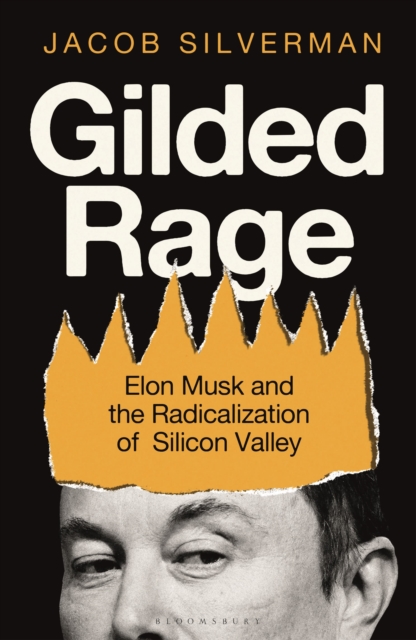
A PUBLISHERS WEEKLY BEST BOOK OF 2025A FINANCIAL TIMES BEST BOOK OF 2025'Lively and provocative' FINANCIAL TIMES'Makes a convincing case for how tech became radicalized' BLOOMBERGWhat happens if the world's richest and most powerful men decide to dismantle democracy?
A PUBLISHERS WEEKLY BEST BOOK OF 2025A FINANCIAL TIMES BEST BOOK OF 2025'Lively and provocative' FINANCIAL TIMES'Makes a convincing case for how tech became radicalized' BLOOMBERGWhat happens if the world's richest and most powerful men decide to dismantle democracy?
The rise of digital commerce, smartphones and social media and now the tsunami of artificial intelligence have led to the digital transformation of organisations and everyday life, creating anxiety about privacy.
This book constitutes the proceedings of the Third International Conference on Sports Analytics, ISACE 2026, which took place in Vancouver, Canada, during June 1-2, 2026.
This book constitutes the proceedings of the Third International Conference on Sports Analytics, ISACE 2026, which took place in Vancouver, Canada, during June 1-2, 2026.
This book aims to provide a comprehensive perspective on the growing challenges posed by artificial intelligence (AI) for researchers and professionals.
This book aims to provide a comprehensive perspective on the growing challenges posed by artificial intelligence (AI) for researchers and professionals.
The two-volume proceedings set LNCS 16605 and 16606 constitutes the refereed main proceedings of the 21st International Conference on Design Science Research in Information Systems and Technology, DESRIST 2026, which was held in Münster, Germany, during June 8–10, 2026.
The two-volume proceedings set LNCS 16605 and 16606 constitutes the refereed main proceedings of the 21st International Conference on Design Science Research in Information Systems and Technology, DESRIST 2026, which was held in Münster, Germany, during June 8–10, 2026.
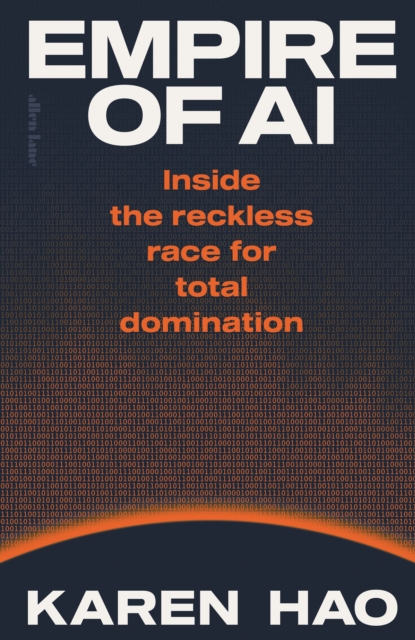
A New York Times and Sunday Times BestsellerWinner of the National Book Critics Circle Award 2025Longlisted for the 2025 Financial Times & Schroders Business Book of the YearShortlisted for Foyles Non Fiction Book of the Year 2025An eye-opening account of the tech arms race shaping out planet, from an award-winning journalist and AI insider to the world of Sam Altman and OpenAIWhen longtime AI expert and journalist Karen Hao first began covering OpenAI in 2019, she thought they were the good guys.
Republic of Abundance is a bold refutation of dystopian predictions that AI and advanced robotics will inevitably lead to humanitys enslavement or extinction.
In this thrilling and utterly unique work of narrative non-fiction, Katherine Dunn explores the acute vulnerability of the GPS satellite system - in a book that lifts the lid on the invisible connections of the globe, from the space race to the phone in our pocketsThis is the story of the Global Positioning System, the network of U.