Digital Literacy for Technical Communication helps technical communicators make better sense of technology's impact on their work, so they can identify new ways to adapt, adjust, and evolve, fulfilling their own professional potential.
In this original study, Milne moves between close readings of letters, postcards and emails, and investigations of the material, technological infrastructures of these forms, to answer the question: How does presence function as an aesthetic and rhetorical strategy within networked communication practices?
In this original study, Milne moves between close readings of letters, postcards and emails, and investigations of the material, technological infrastructures of these forms, to answer the question: How does presence function as an aesthetic and rhetorical strategy within networked communication practices?
Digital Solidarity in Education is a book for educators, scholars, and students interested in better understanding both the role technology can play in schools and its potential for strengthening communities, optimizing the effects of globalization, and increasing educational access.
Digital Solidarity in Education is a book for educators, scholars, and students interested in better understanding both the role technology can play in schools and its potential for strengthening communities, optimizing the effects of globalization, and increasing educational access.
National governments and multi-national institutions are spending unprecedented amounts of money on ICT on improving the overall quality of school learning, and schools are increasingly expected to prepare young people for a global economy in which inter-cultural understanding will be a priority.
National governments and multi-national institutions are spending unprecedented amounts of money on ICT on improving the overall quality of school learning, and schools are increasingly expected to prepare young people for a global economy in which inter-cultural understanding will be a priority.
In an attempt to instil trust in their performance, credibility, integrity, efficiency, cost-effectiveness, and good governance, many public organizations are in effect viewing tax-paying citizens as consumers.
In an attempt to instil trust in their performance, credibility, integrity, efficiency, cost-effectiveness, and good governance, many public organizations are in effect viewing tax-paying citizens as consumers.
In times of global capitalist crisis we are witnessing a return of critique in the form of a surging interest in critical theories (such as the critical political economy of Karl Marx) and social rebellions as a reaction to the commodification and instrumentalization of everything.
In times of global capitalist crisis we are witnessing a return of critique in the form of a surging interest in critical theories (such as the critical political economy of Karl Marx) and social rebellions as a reaction to the commodification and instrumentalization of everything.
Telecommunications and the City provides the first critical and state-of-the-art review of the relations between telecommunications and all aspects of city development and management.
Telecommunications and the City provides the first critical and state-of-the-art review of the relations between telecommunications and all aspects of city development and management.
A variety of ideas, approaches, and techniques exist -- in terms of both architecture and learning -- and this abundance seems to lead to many exciting possibilities in terms of theoretical advances and application potentials.
A variety of ideas, approaches, and techniques exist -- in terms of both architecture and learning -- and this abundance seems to lead to many exciting possibilities in terms of theoretical advances and application potentials.
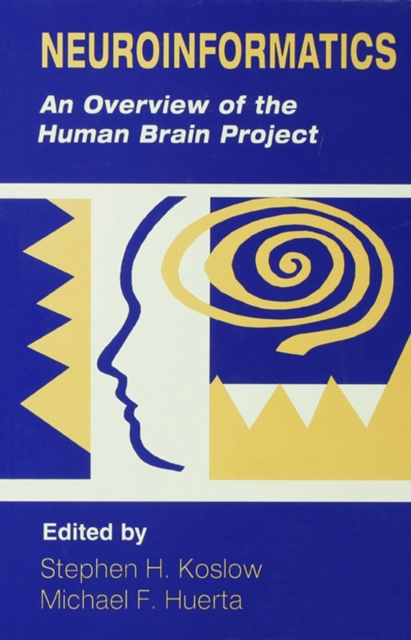
Modern neuroscience is providing profound insights into nature's most mysterious puzzle -- the human brain -- while applications of information and computer science are transforming the way people interact with each other and with the world around them.
Modern neuroscience is providing profound insights into nature's most mysterious puzzle -- the human brain -- while applications of information and computer science are transforming the way people interact with each other and with the world around them.
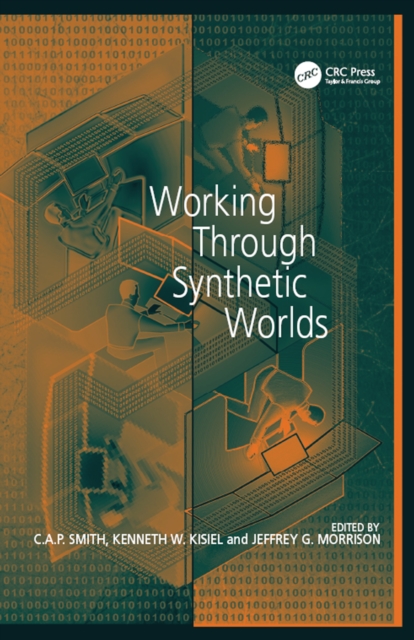
Virtual environments (VE) are human-computer interfaces in which the computer creates a sensory-immersing environment that interactively responds to and is controlled by the behaviour of the user.
Virtual environments (VE) are human-computer interfaces in which the computer creates a sensory-immersing environment that interactively responds to and is controlled by the behaviour of the user.
Into the Image examines visual technology sociologically and, in so doing, rejects the fashionable idea that the new visual technologies are displacing the real.
Into the Image examines visual technology sociologically and, in so doing, rejects the fashionable idea that the new visual technologies are displacing the real.
Science and Technology Ethics re-examines the ethics by which we live and asks the question: do we have in place the ethical guidelines through which we can incorporate these developments with the minimum of disruption and disaffection?