The Second Edition of Computerization and Controversy: Value Conflicts and Social Choices is a collection of 78 articles that examine the social aspects of computerization from a variety of perspectives, many presenting important viewpoints not often discussed in the conventional literature.
Electronic Security Systems is a book written to help the security professional understand the various electronic security functional components and the ways these components interconnect.
Writing Security Tools and Exploits will be the foremost authority on vulnerability and security code and will serve as the premier educational reference for security professionals and software developers.
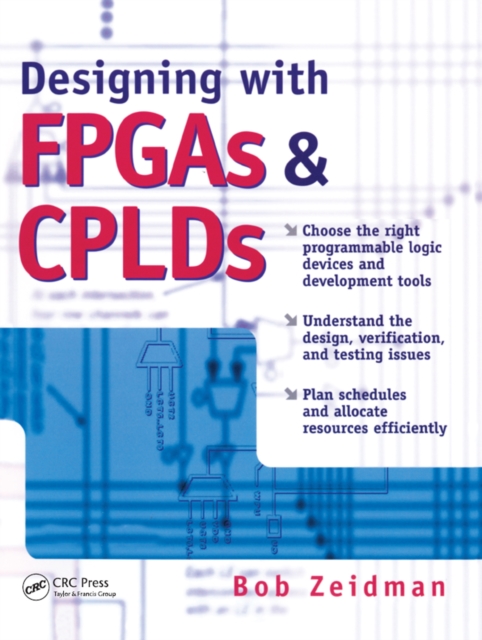
* Choose the right programmable logic devices and development tools * Understand the design, verification, and testing issues * Plan schedules and allocate resources efficiently Choose the right programmable logic devices with this guide to the technolog
Investigating Child Exploitation and Pornography provides the historical, legal, technical, and social background for the laws prohibiting child exploitation, in particular, child pornography.
The essential guide for managers and business students who wish to use Microsoft Excel to its full potential As the industry standard spreadsheet for the analysis and presentation of results, Microsoft Excel is indispensable in the business world.
Based on a teach-yourself approach, the fundamentals of MATLAB are illustrated throughout with many examples from a number of different scientific and engineering areas, such as simulation, population modelling, and numerical methods, as well as from business and everyday life.
Google, the most popular search engine worldwide, provides web surfers with an easy-to-use guide to the Internet, with web and image searches, language translation, and a range of features that make web navigation simple enough for even the novice user.
Computer Networks, Fourth Edition, continues to provide an enduring, practical understanding of networks and their building blocks through rich, example-based instruction.
How craigslist champions openness, democracy, and other vanishing principles of the early webBegun by Craig Newmark as an e-mail to some friends about cool events happening around San Francisco, craigslist is now the leading classifieds service on the planet.
'A penetrating portrait of one of the most significant companies in the world' Ronan Farrow, author of Catch and Kill'With the skill of an award-winning journalist, Horwitz details the inner workings of the tech giant and their outcomes.
IT Manager's Handbook, Second Edition, provides essential information to help students understand the responsibilities of today's IT Management professionals: not only planning network security and implementing disaster recovery plans, but also such vital tasks as creating budgets, administering compliance, and managing staff.
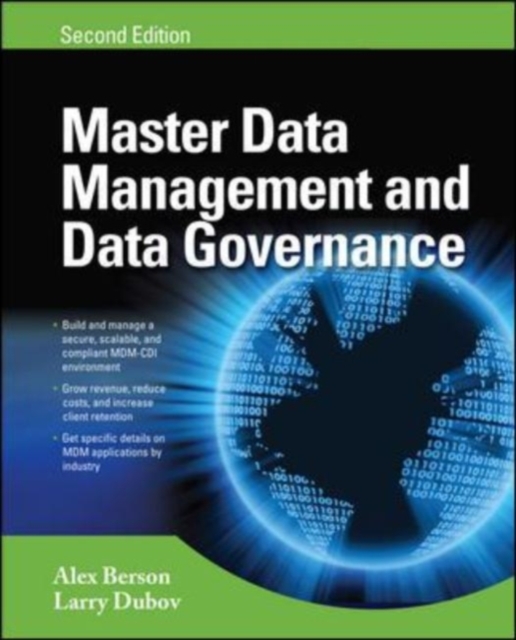
The latest techniques for building a customer-focused enterprise environment"e;The authors have appreciated that MDM is a complex multidimensional area, and have set out to cover each of these dimensions in sufficient detail to provide adequate practical guidance to anyone implementing MDM.
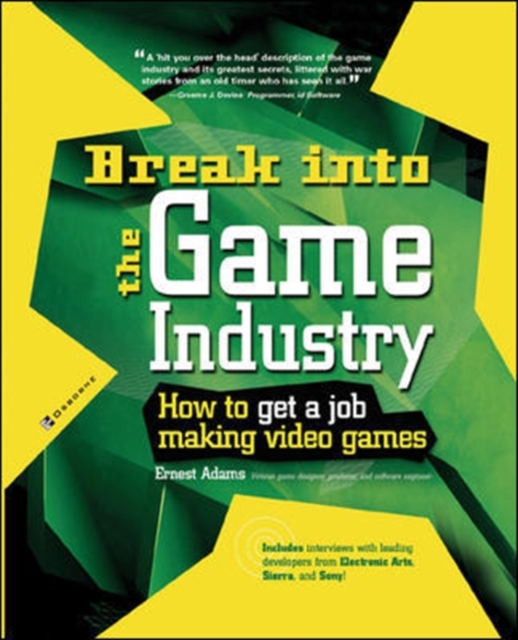
Find out from an industry veteran exactly what you need to do to become a game designer, tester, artist, producer, programmer, writer, soundtrack composer, videographer, or sales/marketing professional.
Secure and protect sensitive personal patient healthcare informationWritten by a healthcare information security and privacy expert, this definitive resource fully addresses security and privacy controls for patient healthcare information.
Digital Equity Ecosystems introduces readers to the groundswell of community coalitions that work to alleviate technological inequity and social injustice.
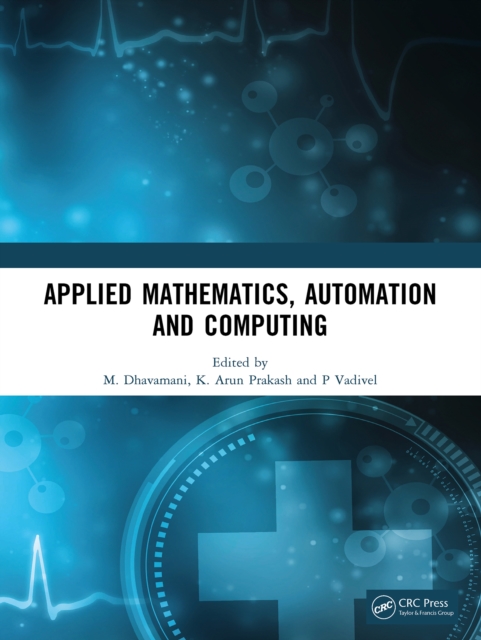
The main objective of this conference is to encourage the integration of Mathematics, Automation and Computing, fostering interdisciplinary research that can address complex problems in Science, Engineering and Technology.
The main objective of this conference is to encourage the integration of Mathematics, Automation and Computing, fostering interdisciplinary research that can address complex problems in Science, Engineering and Technology.