The Business of Mining complete set of three Focus books provides readers with a holistic all-embracing appraisal of the analytical tools available for assessing the economic viability of prospective mines.
There is a large and growing need for a textbook that can form the basis for integrated classes that look at minerals, rocks, and other Earth materials.
There is a large and growing need for a textbook that can form the basis for integrated classes that look at minerals, rocks, and other Earth materials.
This book, first published in 1986, is an excellent introduction to the main topics of economic and applied geology for undergraduate students of geology, geophysics, mining geology and civil engineering.
This book, first published in 1986, is an excellent introduction to the main topics of economic and applied geology for undergraduate students of geology, geophysics, mining geology and civil engineering.
This book reviews the adequacy of information available for predicting and managing the environmental and human effects of oil and gas activities on Alaska's Outer Continental Shelf (OCS).
Aggressive, effective safety inspection programs are key elements to ensuring that oil- and gas-producing platform operations on the outer continental shelf are conducted in a safe and environmentally sound manner.
Mineral Beneficiation or ore dressing of run-of-mine ore is an upgrading process to achieve uniform quality, size and maximum tenor ore through the removal of less valuable material.
This book looks at the distribution, occurrences, potential and prospects for good governance, transparency and sustainable development of geological resources in Sub-Saharan Africa.
Published in 2002, the first edition of Geostatistical Reservoir Modeling brought the practice of petroleum geostatistics into a coherent framework, focusing on tools, techniques, examples, and guidance.
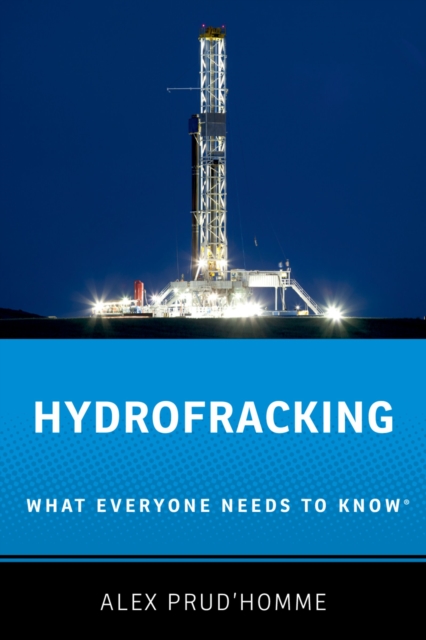
Constantly in the news and the subject of much public debate, fracking, as it is known for short, is one of the most promising yet controversial methods of extracting natural gas and oil.
Constantly in the news and the subject of much public debate, fracking, as it is known for short, is one of the most promising yet controversial methods of extracting natural gas and oil.
Geochemical reaction modeling plays an increasingly vital role in several areas of geoscience, from environmental geochemistry and petroleum geology to the study of geothermal and hydrothermal fluids.
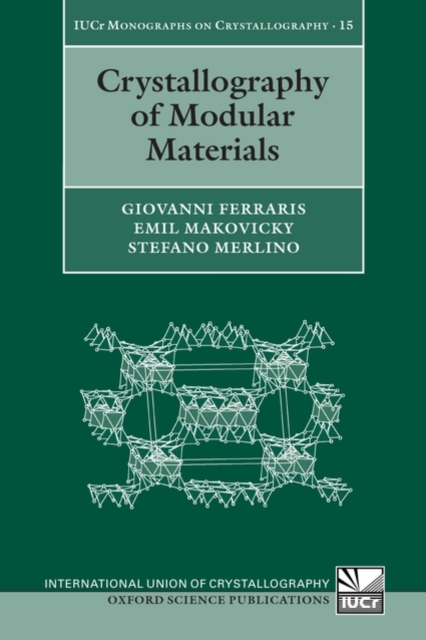
This is the first book to provide a comprehensive treatment of theories and applications in the rapidly expanding field of the crystallography of modular materials.
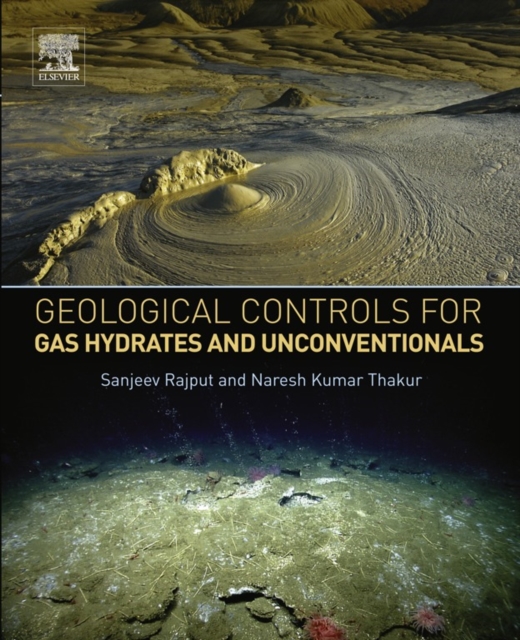
Geological Controls for Gas Hydrate Formations and Unconventionals tells the story of unconventional hydrocarbon resources, especially gas hydrates, tight gas, shale gas, liquid- rich shale, and shale oil, to future generations.
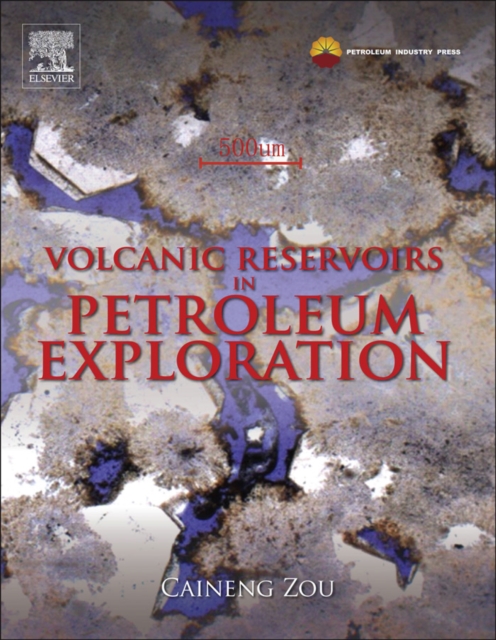
The first work of its kind, Volcanic Reservoirs in Petroleum Exploration summarizes the current research and exploration techniques of volcanic reservoirs as a source of oil and gas.
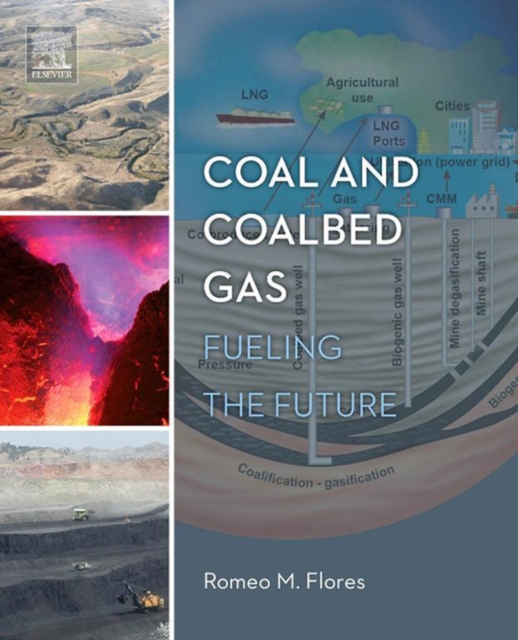
Bridging the gap in expertise between coal and coalbed gas, subfields in which opportunities for cross training have been nonexistent, Coal and Coalbed Gas sets the standard for publishing in these areas.
Geological Controls for Gas Hydrate Formations and Unconventionals tells the story of unconventional hydrocarbon resources, especially gas hydrates, tight gas, shale gas, liquid- rich shale, and shale oil, to future generations.
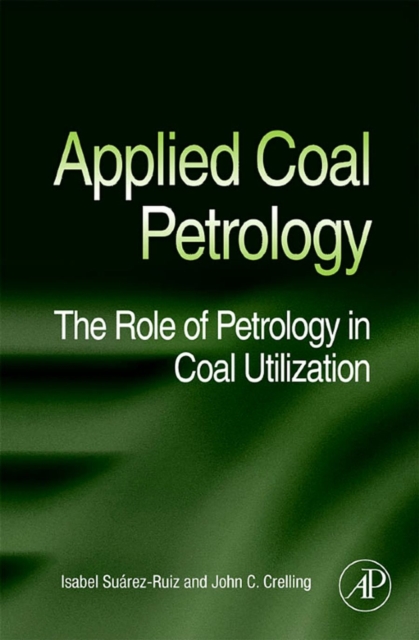
This book is an integrated approach towards the applications of coal (organic) petrology and discusses the role of this science in the field of coal and coal-related topics.
In the modem language of reservoir engineering by reservoir description is understood the totality of basic local information concerning the reservoir rock and fluids which by various procedures are extrapolated over the entire reservoir.
"e;This book is fast becoming the standard text in its field"e;, wrote a reviewer in the Journal of Canadian Petroleum Technology soon after the first appearance of Dake's book.
This book on well test analysis, and the use of advanced interpretation models is volume 3 in the series Handbook of Petroleum Exploration and Production.
Surface and Underground Excavations - Methods, Techniques and Equipment (2nd edition) covers the latest technologies and developments in the excavation arena at any locale: surface or underground.
Fossil hydrocarbons form a continuous series whose"e;heavy"e;members--heavy oils, bitumens, oil shale kerogens, and coal--are important sources of conventional lighter fuels.
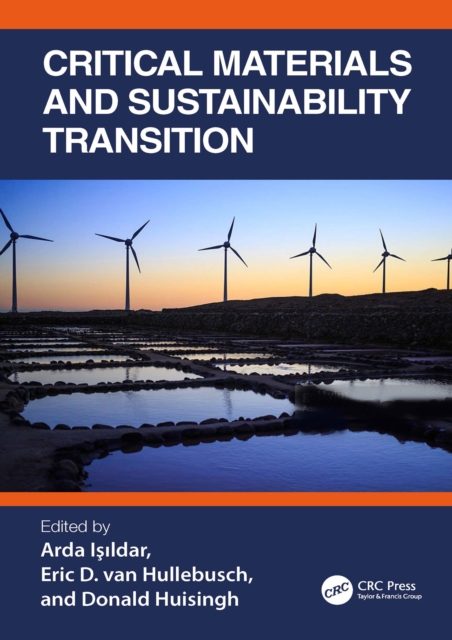
Critical minerals play a vital role in the ongoing energy transition, which aims to shift global energy systems towards more sustainable and low-carbon alternatives.
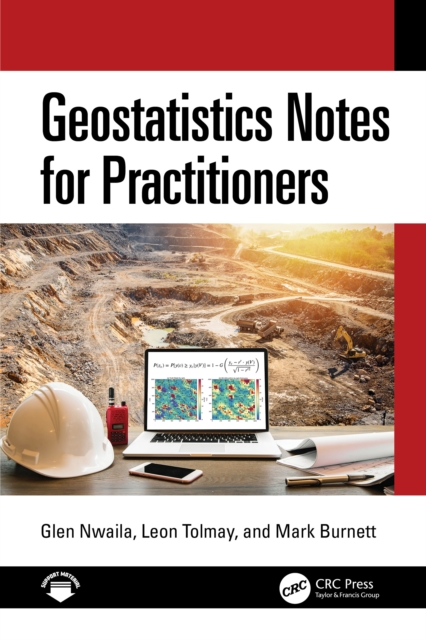
This book provides a practical perspective of all the processes involved in estimating mineral resources and reserves, including mine-to-mill reconciliation.
This book discusses the progress that is being made through innovations in instrumental measurements of geologic and geochemical systems and their study using modern mathematical modeling.