This book unravels the deep-time story of the Baltic Sea’s ancient shores—landscapes shaped by the retreat of the last Ice Age and still visible today in raised beaches across Fennoscandia.
This book unravels the deep-time story of the Baltic Sea’s ancient shores—landscapes shaped by the retreat of the last Ice Age and still visible today in raised beaches across Fennoscandia.
Academic Paper from the year 2019 in the subject Geography / Earth Science - Geology, Mineralogy, Soil Science, grade: A, Wollega University, course: Soil physical properties, language: English, abstract: Land degradation is a pervasive problem that negatively influences agricultural productivity in Ethiopia as it cause depletion of soil organic matter.
Master's Thesis from the year 2021 in the subject Geography / Earth Science - Geology, Mineralogy, Soil Science, grade: A, Haramaya University, language: English, abstract: This study was initiated to assess soil fertility, quantify nutrients content in maize tissue, and mapping selective soil parameters of Migna Kura Kebele, Wayu Tuka District, east Wollega, Ethiopia in 2019.
Eleven chapters present a concise description of the soils of Israel, including their distribution, chemical, physical mineralogical characteristics and agricultural attributes.
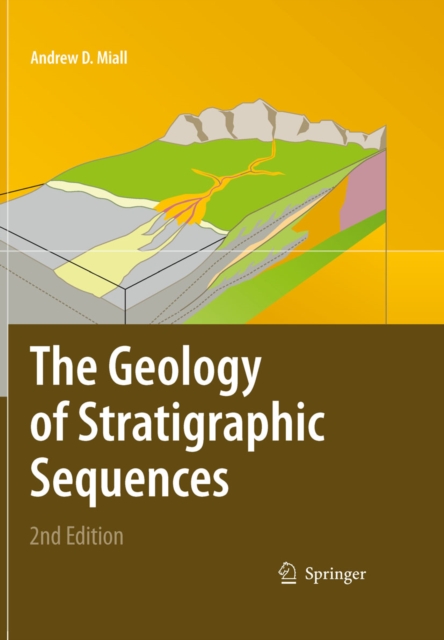
Combining field research of outcrop geology andinvestigating the recent formation of carbonate rocks incoastal environments the author gives an introduction insequence stratigraphy.
The fourth edition of Introduction to Mineralogy combines material now covered in both traditional and optical mineralogy courses and focuses on describing minerals within their geologic context.
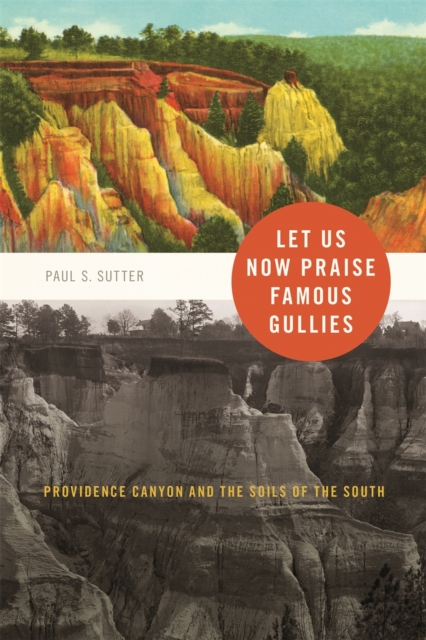
Providence Canyon State Park, also known as Georgia's "e;Little Grand Canyon,"e; preserves a network of massive erosion gullies allegedly caused by poor farming practices during the nineteenth century.
Providence Canyon State Park, also known as Georgia's "e;Little Grand Canyon,"e; preserves a network of massive erosion gullies allegedly caused by poor farming practices during the nineteenth century.
This book examines carbon-negative farming systems addressing science, methods, and policy mechanisms for achieving net-negative greenhouse gas outcomes.
Providing valuable research on the latest topics in sustainable agriculture and food systems engineering, this new volume covers key concepts on sustainable agriculture, food systems engineering for sustainable development, and agroecological transitions as an interdisciplinary field that comprises the concepts of agronomy, economics, and livestock farming sciences.
Providing valuable research on the latest topics in sustainable agriculture and food systems engineering, this new volume covers key concepts on sustainable agriculture, food systems engineering for sustainable development, and agroecological transitions as an interdisciplinary field that comprises the concepts of agronomy, economics, and livestock farming sciences.
The field of humic matter research has undergone drastic changes in concepts and principles since the first edition of Humic Matter in Soil and the Environment: Principles and Controversies was published more than a decade ago.
This new edition discusses chemical and engineering principles as they apply to the cleanup and removal of hazardous chemicals from soil and groundwater.
This new edition discusses chemical and engineering principles as they apply to the cleanup and removal of hazardous chemicals from soil and groundwater.
This book examines carbon-negative farming systems addressing science, methods, and policy mechanisms for achieving net-negative greenhouse gas outcomes.
The forensic potential of geological and soil evidence has been recognized for more than a century, but recently these types of evidence are used much more widely as an investigative intelligence tool and as evidence in court.
Impact cratering is an important geological process on all solid planetary bodies, and, in the case of Earth, may have had major climatic and biological effects.
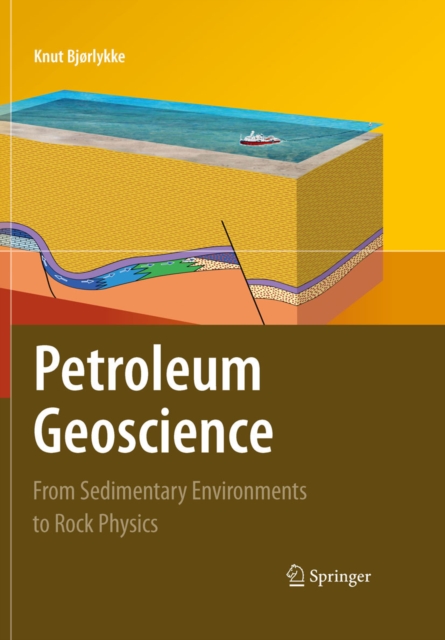
Sedimentary basins host, among others, most of our energy and fresh-water resources: they can be regarded as large geo-reactors in which many physical and chemical processes interact.
Contaminant Geochemistry: Interactions and Transport in the Subsurface Environment combines the earth science fields of subsurface hydrology and en- ronmental geochemistry and aims to provide a comprehensive background for s- dents and researchers interested in protection and sustainable management of the subsurface environment.