This book, first published in 1986, is an excellent introduction to the main topics of economic and applied geology for undergraduate students of geology, geophysics, mining geology and civil engineering.
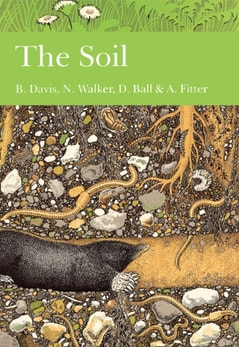
This book, first published in 1965, was the first by a British soil expert in which he wrote a study of his subject from a geographical, not an agricultural or biological, viewpoint.
Nowadays, demands on modern civil engineering structures require not only safe technical solutions, but also additional approaches, involving ecological, sociological and economical aspects.
This book, first published in 1965, was the first by a British soil expert in which he wrote a study of his subject from a geographical, not an agricultural or biological, viewpoint.
This book, first published in 1986, is an excellent introduction to the main topics of economic and applied geology for undergraduate students of geology, geophysics, mining geology and civil engineering.
This book provides diverse information and critical know-how to implement appropriate methodology and cost-efficient monitoring and evaluation systems better suited to assess the impacts of soil conservation and wastershed multi-sectoral development activities.
Aiming to describe the role of dominant ecological factors and of human activities on the organisms of running water and the functioning of the ecosystem, this work covers the few European water courses that are well known in ecological studies.
This book provides a comprehensive and up-to-date account of the information available on the morphological, physiological and evolutionary aspects of specialized cells distributed within the epithelia of the airways in the vertebrates.
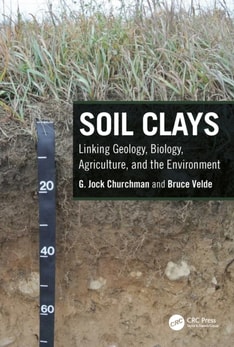
As the human population grows from seven billion toward an inevitable nine or 10 billion, the demands on the limited supply of soils will grow and intensify.
The first cocktail book from the award-winning mixologistMasahiro Urushido of Katana Kitten in New York City, on the craft ofJapanese cocktail making Katana Kitten, one of the world's most prominent and acclaimed Japanese cocktail bars, was opened in 2018 by highly-respected and award-winning mixologist Masahiro Urushido.
Winner of the Fortnum & Mason Food and Drink Awards Drink Book Award 2021Longlisted for the Andr Simon Food & Drink Book Awards 2020'Hugely entertaining' Jay Rayner'A brilliantly Bourdain-ish tale of a young woman making her way through the sexist American fine-dining world' ObserverAged twenty-one, Victoria James was named the US's youngest sommelier, working in Michelin-starred restaurants, serving the finest wines.
The essential handbook for the advanced brewer from America's #1 expert on homebrewing The Homebrewer's Companion is for brewers who have read The Complete Joy of Hombrewing and discovered the fun and rewards of brewing their own beer and are now ready for more in-depth information.
From trading recipes with the bad boys of American beer to drinking Czech-Mex cerveza in Tijuana and hanging out in the beer gardens of Africa, Charlie Papazian has seen, and tasted, it all.
An indispensable follow-up to his classic Complete Book of Mixed Drinks, Anthony Dias Blue presents The Complete Book of Spirits, a comprehensive collection of history, lore, and tasting tips, along with recipes for select cocktails.
Mix Drinks Like A Pro Now you can with this indispensable handbook, the most thorough'and thoroughly accessible'bartending guide ever created for both professional and home use.
The Impact of Nanoparticles on Agriculture and Soil, part of the Nanomaterials-Plant Interaction series, contributes the most recent insights into understanding the cellular interactions of nanoparticles in an agricultural setting, focusing on current applications and means of evaluating future prospects.
The Sea Coast shows in a persuasive and compelling way the origin and evolution of cliffs, estuaries, sea marshes, sand dunes and the communities of plants and animals that they support.
The use of natural and seeded grass pastures for the feeding of livestock and other unfamiliar uses for the ubiquitous grass family are described in this succinct and beautifully illustrated work.
How can the United States meet demands for agricultural production while solving the broader range of environmental problems attributed to farming practices?